If onions have turned up in a recipe or caught your eye at the store, here's what you need to use them with confidence and how to choose them, cook them, store them, what to substitute, and 12,964 recipes to try them in.
Key Points
Onions are the base of most savory cooking; over 12,000 recipes here use them.
Yellow is the all-purpose default; red for raw and salads; sweet onions for mild slices.
Heat trades sharp sulfur bite for sweetness; caramelizing takes a slow 30 to 45 minutes.
A sharp knife and the intact root cut the tears and hold layers for a clean dice.
Store whole onions cool, dark, and dry, never the fridge, and away from potatoes.
What are onions?
Onions are the quiet backbone of savory cooking. Chop one into hot fat and you have the start of a soup, a sauce, a curry, or a braise.
They show up in more than 12,000 recipes here. That is about as close to universal as a vegetable gets.
What you taste depends on the variety and on how you cook it. A raw onion is sharp and pungent, a little aggressive. The same onion cooked low and slow turns soft and genuinely sweet.
This page is the map. Each type below has its own page with the details, so use this as your orientation and follow the links for the deep dives.
The Varieties Worth Knowing
The yellow onion is the default. It balances sharpness against sweetness and caramelizes well, which makes it the right choice when a recipe just says "onion." White onions are cleaner and sharper, common in Mexican cooking and good raw when you want bite without much sweetness.
When in doubt, buy yellow.
The red onion is the salad and sandwich onion, mild and crisp and good-looking on the plate. It is best raw or quick-pickled, since its color fades to a dull gray when cooked.
Sweet onions like Vidalia and Walla Walla are mild and high in sugar. They are lovely raw in a slice or roasted whole, but they hold less and bruise easily.
Green onions, also called scallions, are the whole young plant. The white part is mild when cooked, and the green tops go on raw at the end as a garnish.
Then come the little ones. Pearl onions are marble-sized and cooked whole in stews and glazes, which is also where boiling and button onions belong.
Raw Bite Versus Cooked Sweetness
Onions get their bite from sulfur compounds that form the moment you cut into the cell walls. Heat breaks those compounds down, which is why cooking trades pungency for sweetness.
Sweat onions gently in butter or oil over medium-low heat and they go soft and translucent in about 8 to 10 minutes. That soft base sits under most savory dishes, from No Salt Spaghetti Sauce to a pot of Moosewood Vegetarian Chili.
True caramelizing is a longer game. Keep the heat low and stir often for 30 to 45 minutes, and the natural sugars brown into something jammy and deep.
There is no shortcut. Crank the heat to rush it and you get scorched, bitter bits instead of even color, so patience is the whole recipe.
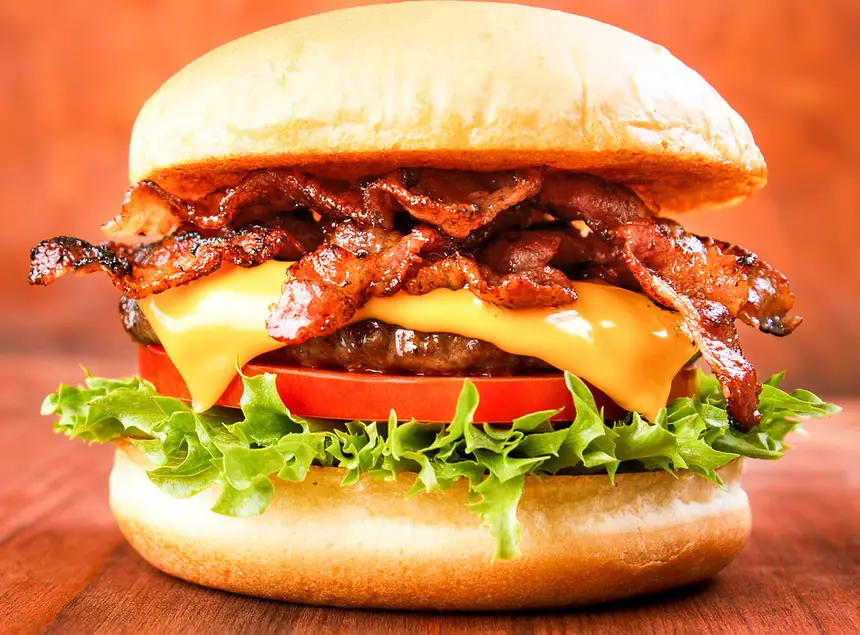
Raw onions keep all their punch. That is exactly what you want sliced thin on a burger or, New York-style and simmered just briefly, piled on a hot dog.
Why They Make You Cry, and How to Cut One
Cutting into an onion ruptures its cells and releases an enzyme that builds a volatile sulfur gas. That gas drifts up, hits the moisture in your eyes, and forms a mild acid that stings. The tears are your eyes flushing it out.
A sharp knife helps most. It cleaves cells cleanly instead of crushing them and releasing more gas. Chilling the onion for 15 minutes first slows the reaction, and working near a running vent limits how much gas reaches your face.
For the cut itself, halve the onion through the root, peel, then slice toward the root without cutting through it. The intact root holds the layers together while you make your cross cuts. Leaving that root anchor on is the single biggest help for a clean, even dice.
The Dried and Processed Forms
When fresh onion is impractical, the pantry versions step in. Onion powder is dried onion ground fine, the one to reach for in rubs and dressings where you want flavor without texture or moisture.
Onion flakes, also sold as dried minced or dehydrated onion, are coarser. They rehydrate into something close to chopped fresh onion and can go straight into anything that simmers.
French fried onions are a different animal: battered and fried into a crunchy topping rather than a cooking onion. They are the crown on a green bean casserole, added at the end so they stay crisp.
Buying and Storing
Pick onions that feel heavy and firm, with dry papery skins and no soft spots or musty smell. The heavier ones hold more water and store longer.
Keep whole storage onions, the yellow and white kinds, in a cool, dark, airy spot. Never the fridge, where humidity turns them soft. In good conditions they last a month or more.
Sweet onions are the exception. Their higher sugar and water mean they spoil faster, so use them within a couple of weeks.
Once you cut one, wrap it tightly and refrigerate, then use it within a few days. Keep onions away from potatoes, since each makes the other spoil sooner.
Types of onions
Specific kinds of onions and the recipes that use them.
A scallion is a young onion pulled before it forms a bulb.
The whole plant is edible, and it comes in two parts with two personalities. The white root end carries a sharp, true onion bite, while the long green tops are grassy and mild, closer to a fresh herb than to a yellow onion.
You will also see them labeled green onions or spring onions. Green onion is the same plant. A true spring onion is slightly older, with a small round bulb at the base and a stronger flavor.
That mild-to-sharp range is why they turn up everywhere here, in more than 3,400 recipes.
These onions tend to be medium to large in size and have a mild to sweet flavor. They are often consumed raw, grilled or lightly cooked with other foods, or added as color to salads.
They tend to lose their redness when cooked.
Red onions are high in flavonoids. They can be stored 3 to 4 months at room temperature.
Onion powder is dried onion ground to a fine, sandy powder. It keeps most of the flavor of a fresh onion in a form you can measure by the spoonful, with no chopping and no tears.
Because the moisture is gone, the flavor is concentrated and a little sweeter and toastier than raw onion, since drying tames the sharpest bite. It dissolves into liquids and clings evenly to dry surfaces, which is its real advantage over a fresh onion.
Reach for it when you want onion flavor spread evenly through a dish, with no pieces to bite and no added water.
The yellow onion is the all-purpose cooking onion, the one that lives in the basket on most kitchen counters. When a recipe just says "one onion, chopped," this is what it means.
Under its papery yellow-brown skin the flesh is white and firm. Raw it has a sharp, assertive bite, but it carries enough natural sugar that cooking turns it mellow and deeply savory. That balance is the whole reason it is the default.
It is the workhorse, plain and simple.
Yellow onions run a little higher in sulfur than white onions, which gives them a fuller flavor once heat gets involved.
White onions have papery white skin and crisp, pure-white flesh. They sit between a sharp yellow onion and a mild sweet onion: cleaner and more sharply pungent than yellow when raw, but with less of the lingering, sulfurous depth a yellow onion develops when it cooks down.
That clean bite is the whole point. Where a yellow onion turns deep and savory, a white onion stays bright and crisp-tasting, which is why it is the default onion across much of Mexican and Latin American cooking.
Vidalia onions are sweet onions grown in a designated stretch of southern Georgia, where low-sulfur soil produces a bulb with almost none of the sharp, eye-watering bite of a regular onion. They are pale yellow and slightly flattened rather than perfectly round.
So juicy that some people eat them like an apple, they are about as far from a sharp cooking onion as the species gets.
The sweetness is real but fragile. Vidalias carry more sugar and far less of the sulfur compounds that make onions pungent, which is exactly what makes them good raw and exactly why they do not store well.
Onion salt is a seasoning blend, not a pure spice. It is table salt cut with onion powder, usually around three parts salt to one part onion powder, often with a little anti-caking agent so it pours freely.
That single fact changes how you cook with it.
Because most of the jar is salt, onion salt seasons and adds onion flavor in one shake. It is the easy, reliable way to get a savory background into burgers, dips, popcorn, and roasted potatoes without chopping anything.
Dried onion flakes are fresh onions chopped or minced and then dehydrated until they snap. With the water gone, the flavor concentrates and the flakes keep for months in the pantry, ready whenever you need onion without the knife and the tears.
They land somewhere between fresh onion and onion powder. Coarser than powder, they bring a little texture and a sweeter, mellower flavor than the raw bulb, since drying tames the sharp bite.
This is the same product sold as dried minced onion or dehydrated onion. The names change; the jar is the same.
Spanish onions are the big, round, mild yellow onions you reach for when a recipe just says "1 large onion." They run noticeably larger than a standard yellow cooking onion, often the size of a softball, with golden-brown papery skin and pale, juicy flesh.
The flavor is where they earn their keep. A Spanish onion is milder and sweeter raw than a sharp yellow storage onion, but it still has enough backbone to hold up to long cooking, which is what separates it from a true sweet onion like Vidalia.
Pearl onions are tiny, marble-sized onions, usually under an inch across, harvested young and sold whole. You will also see them labeled boiling onions or button onions, which are the same small onions sorted into slightly larger sizes for the same jobs.
They come in white, yellow, and red.
Because they are cooked and served whole rather than chopped, the appeal is texture and presentation: little glossy spheres that hold their shape in a stew or on a skewer.
Onion flakes are fresh onions chopped small and dried until they snap. They are the same pantry product sold as dried minced onion or dehydrated onion, just labeled by the size of the piece.
With the water gone, the flavor concentrates and the flakes keep for months, ready whenever you want onion without the knife and the tears. They land between fresh onion and onion powder: coarser than powder, milder and sweeter than a raw bulb.
Stir them straight into anything wet that simmers, like soups or stews or a pot of sauce, and they rehydrate as it cooks. For raw uses such as burgers or dips, soak them in warm water for 10 to 15 minutes first, then drain and use like chopped fresh onion.
A rough rule: about 1 tablespoon of flakes equals one small fresh onion.
We keep the full details on one page so they stay in sync: the fresh-onion equivalents, the substitutes, and the storage notes. See onion, dried flakes for everything, and the onions hub for the fresh varieties behind it.
French fried onions are thin onion slivers battered, fried until golden and crisp, and dried so they stay shatteringly crunchy in the can. They are a finished product, not raw onion: a ready-made topping you scatter on, not a vegetable you cook down.
Most home cooks know them from one place, the holiday green bean casserole, where they go in the mix and crown the top. But they earn a spot far beyond it as an instant crunchy, savory finish.
The flavor is mild and toasty with a little sweetness, the deep-fried richness doing most of the work while the onion itself stays gentle.
In a recipe, "onion rings" usually means one of two things, and they are worth keeping apart. Most often it is simply an onion sliced crosswise into rings, raw, the way you would pile them on a burger or a sandwich.
The other meaning is the diner classic: those rings dipped in batter and deep-fried until golden and crunchy, eaten as a side or a snack.
When a savory recipe lists onion rings among its ingredients, it almost always means the raw, sliced kind used for color and crunch, not the battered, fried version. Read the method to be sure.
For sliced raw rings, pick the onion to match the job. A mild red onion or a sweet onion is kindest raw, while a yellow onion brings more bite. Slicing across the onion, rather than from root to tip, gives you the clean intact rings.
For the fresh varieties and how to slice them cleanly, see the onions hub.
Onion juice is the liquid pressed from fresh onions, with the pulp and fiber left behind. It carries the bulb's full pungent flavor in a form you can stir into anything without adding a single visible piece of onion.
That is the whole point. When you want onion taste but not the texture, the juice does the job: smooth dressings, marinades, dips, and tender meatballs all benefit from it.
You can make it at home by grating an onion and squeezing the pulp through cheesecloth, or by buzzing chunks in a blender and straining. A medium onion yields only a few tablespoons, so a little is precious.
Onion slices are simply a fresh onion cut crosswise into rings or half-moons. This is a cutting form rather than a separate ingredient, so when a recipe lists onion slices it is telling you the shape it wants, not a special product to buy.
The cut matters because shape changes how the onion behaves. Rings hold together for grilling, frying, and layering, while thinner slices wilt fast into a pan or melt into a sandwich.
For a primer on onion types and basic knife work, lean on the onions hub. This page is about what the sliced form does best.
A french fried onion ring is the crispy, ready-made onion topping that comes in a can, the same product simply named for its shape. Thin onion is battered, fried golden, and dried so it stays crunchy on the shelf.
This is a finished topping, not a cooking onion. The flavor is mild and toasty, with the deep-fried richness doing most of the work, which is why a handful finishes a casserole or a burger with crunch.
Add it at the very end or in the last few minutes of baking. Stirred in early, it soaks up moisture and goes soggy, which loses the whole reason you bought it.
The full guide, including how to use it, crush it for a coating, and store it, is on one page. See french fried onions for everything, or the onions hub for fresh onions.
Pickled onions are onions preserved in an acidic brine of vinegar, salt, and usually a little sugar. The acid softens their raw bite and turns them tangy and crisp, often staining red onions a vivid pink.
The name covers two very different things. Quick pickles are sliced onions steeped in warm brine for an hour and kept in the fridge for a week or two.
Traditional British pickled onions are whole small onions packed in malt vinegar and aged for weeks into a sharp, crunchy pub snack.
Both start with the same idea: vinegar tames the onion and keeps it.
Dehydrated onions are fresh onions chopped and dried until brittle, the same product also sold as dried minced onion or onion flakes. The name changes with the brand; the jar is the same.
Drying drives off the water and concentrates the flavor, so a little goes a long way and an opened jar keeps for months in a dry cupboard. The flavor reads milder and sweeter than raw onion, since drying takes the hard edge off the bite.
Add them dry to anything that simmers and they soften as the dish cooks. For raw or quick dishes, soak them in warm water for about 10 to 15 minutes to plump them first.
Because this is the same ingredient as the dried flakes, we keep the conversions, substitutes, and storage on a single page. See onion, dried flakes for the full rundown, or the onions hub for fresh onions.
Wild onions are the foraged, uncultivated relatives of the supermarket onion: slender grass-like greens growing from a small white bulb, found in fields, lawns, and woodland edges across North America. The term covers several species in the onion and garlic family, including wild garlic and the spring ramp.
The flavor is more pungent and concentrated than a cultivated onion, leaning garlicky, so a little goes a long way. Both the bulb and the green tops are edible.
Boiling onions are small whole onions, usually about an inch across, sold for cooking whole rather than chopping. They are a size grade of the same little onions sold as pearl and button onions, just sorted slightly larger.
Their job is texture and looks. Cooked whole, they soften into sweet, tender bites that hold their round shape in a stew or a butter glaze, where a chopped onion would simply melt away.
The one chore is peeling. Drop them in boiling water for about 30 seconds, shock them in ice water, then trim the root and the skins squeeze right off.
Everything about cooking and peeling and buying these little onions lives on one page. See pearl onions for the full guide, or the onions hub for the wider family.
Button onions are small whole onions cooked whole instead of chopped, the same little onions sold as pearl and boiling onions. The names mostly track size, with button and pearl at the tiny end.
You use them for the way they hold their shape. Simmered whole in a stew or glazed in butter, they turn sweet and tender while staying intact, the small glossy spheres you see in a classic braise.
Peeling the tiny things is the only real fuss, so blanch them for about 30 seconds, shock them cold, and slip off the skins. Frozen pre-peeled onions skip the job entirely.
Since these are the same onion under another label, the full details sit in one place. See pearl onions for cooking and buying, and the onions hub for the rest.
A Red Bermuda onion is a mild, flattish red onion, an older market name for the sweet, gentle red onions used raw. In practice it behaves like any red onion: purple-red skin and white flesh tinged pink, with a soft flavor and not much harsh bite.
That mildness is the point. Sliced thin, it is at home raw on a burger or in a salad, or quick-pickled, where its color and gentleness both earn their keep.
Like other red onions, it loses its bright color when cooked and fades toward a dull gray, so its best work is raw or barely cooked.
The full guide to choosing, using, and keeping this onion lives on the red onion page. See red onion for the details, or the onions hub for how it fits among the other varieties.
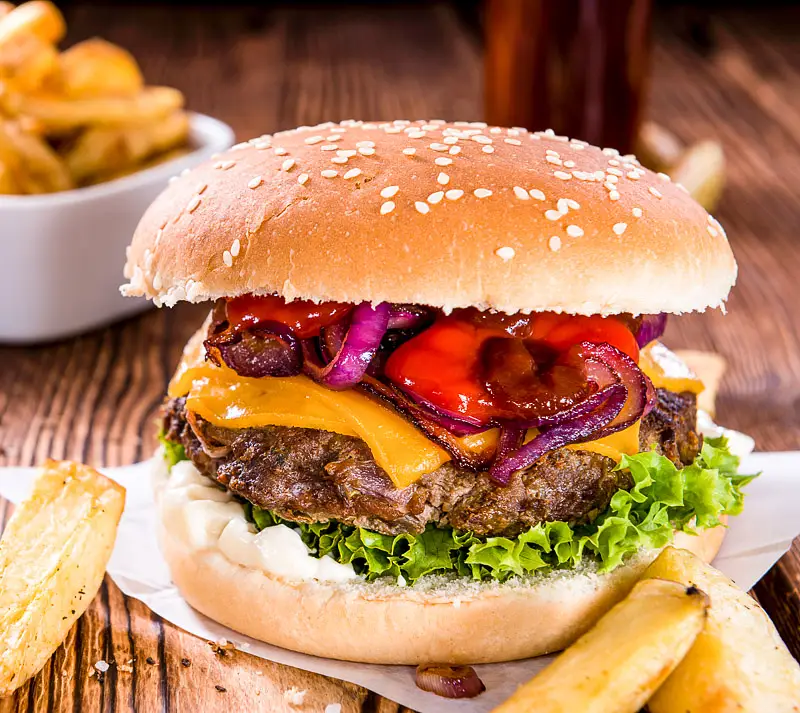
Vegetarian burgers built from Harvest Burger mix and bulgur wheat, bound with tomato paste and parsley, then topped with balsamic-glazed caramelized onions. A satisfying meatless burger with serious chew and sweet-tangy crown.
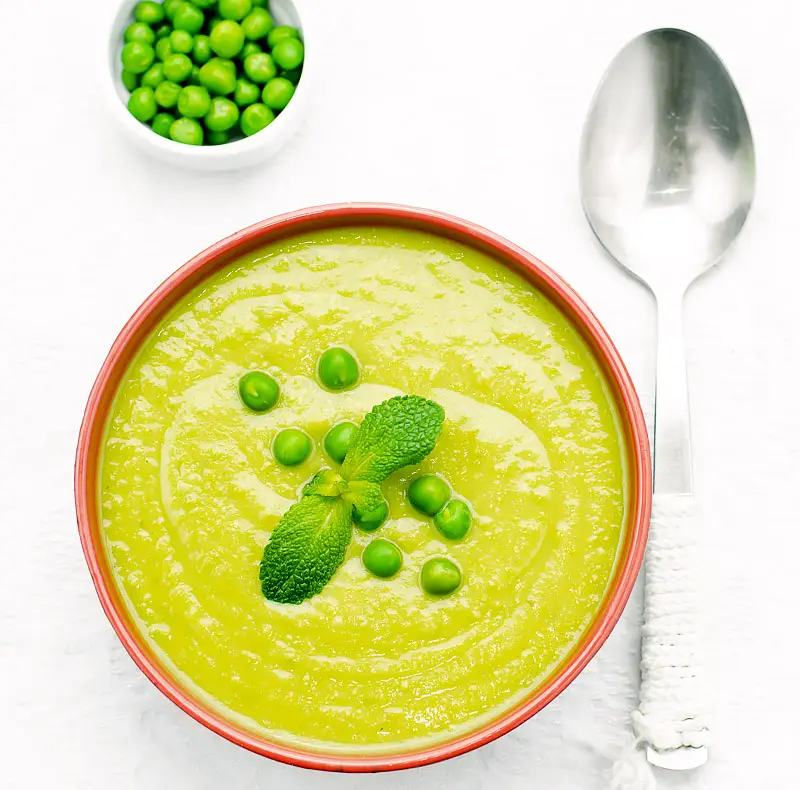
Chilled green pea soup blends sweet frozen peas with thyme, onion, and minute tapioca for a velvety low-fat, low-calorie soup that works hot or cold. The tapioca thickens without flour or cream. Five minutes of standing time, twenty minutes total cook.
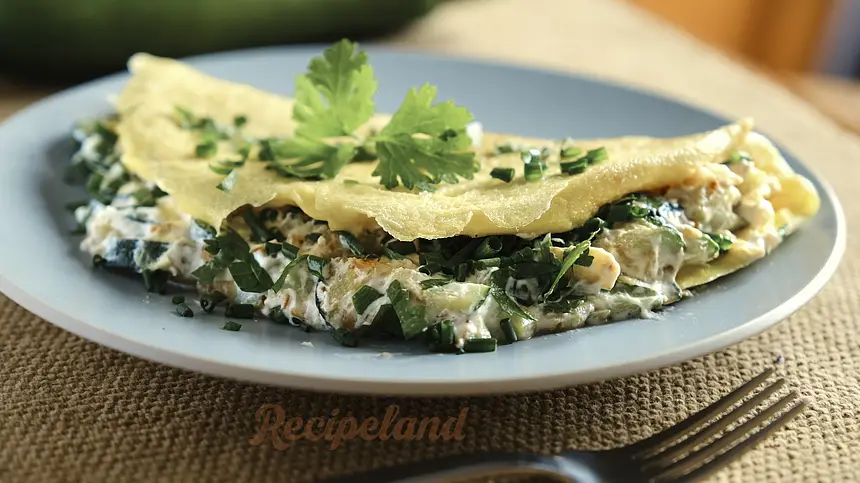
Eggs & zucchini creamily enveloped by warm and creamy tangy goat cheese and sweet caramelized onion mixture. When you've got zucchini overload and aren't sure what to do, this is my go-to recipe that feeds the need.
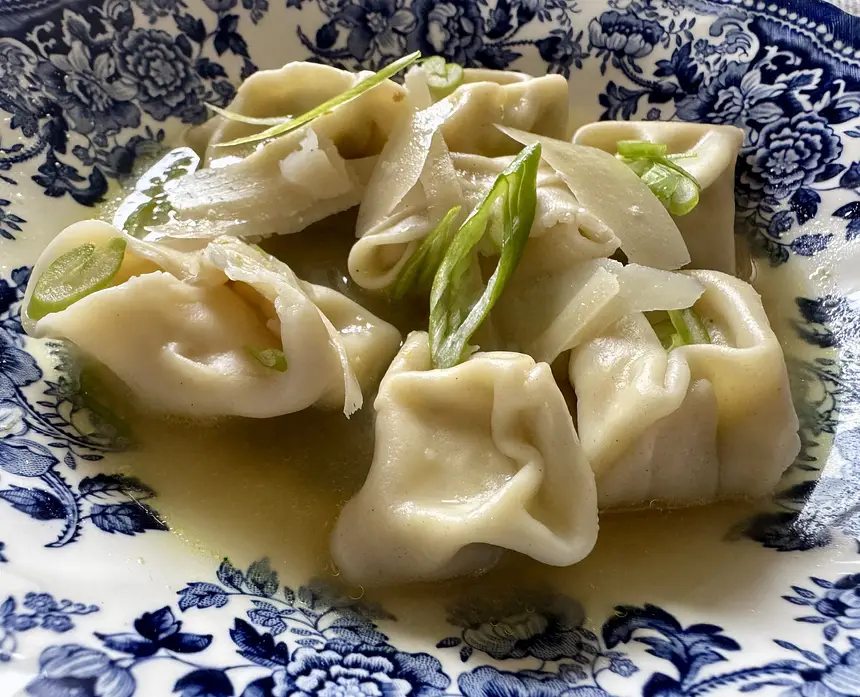
Learn to make homemade tortellini with creamy goat cheese and scallion filling, served in savory chicken broth. Simple sophistication in a bowl. This comforting dish features tender homemade tortellini filled with goat cheese and fresh scallions, served in a warm, flavorful chicken broth. Perfect for a cozy dinner, it combines delicate pasta with a rich, savory filling, finished with a sprinkle of Parmesan and scallions.
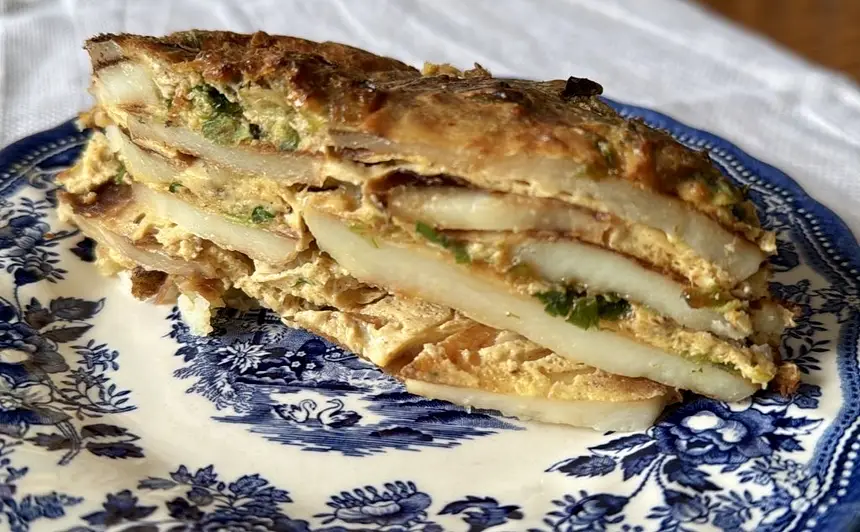
A comforting and savory dish featuring layers of golden-brown potatoes and tender scallions, bound together with a creamy yogurt-egg sauce and baked to perfection. Ideal as a hearty side or a light main course.
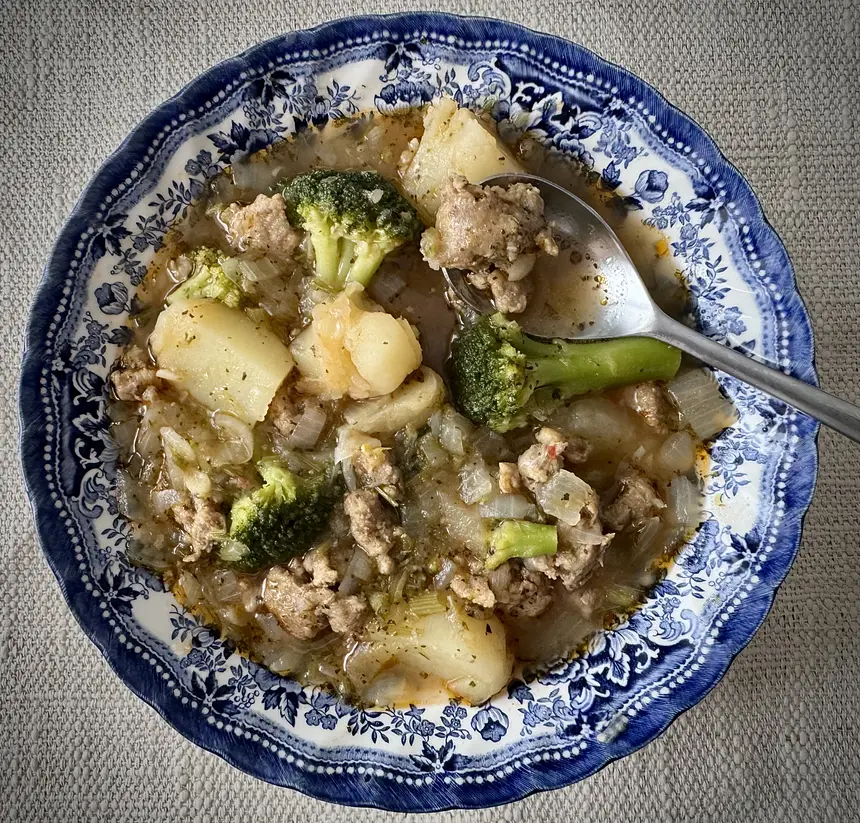
Warm up with this hearty yet thrifty sausage and broccoli minestrone soup. An easy comforting twist on the classic Italian dish, perfect for chilly days.
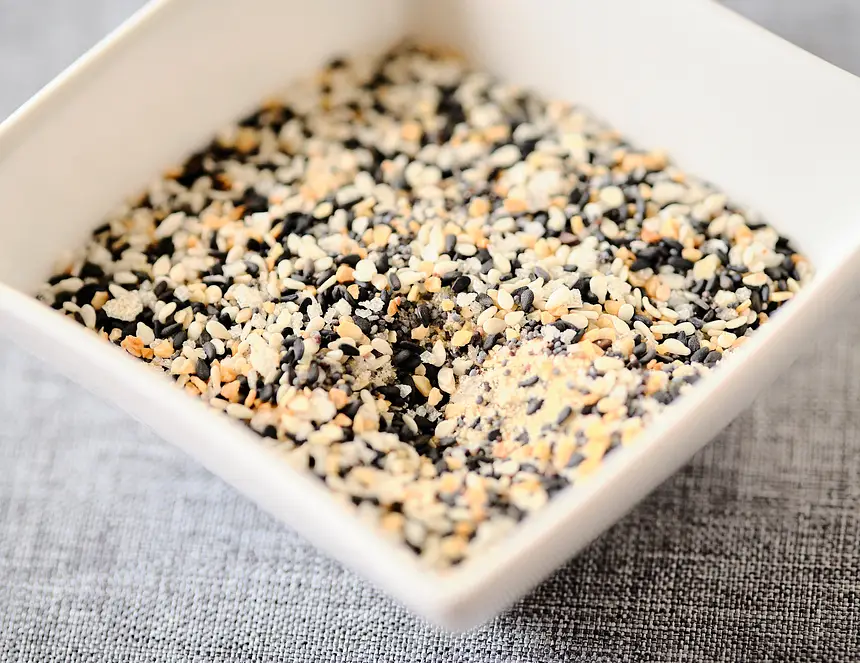
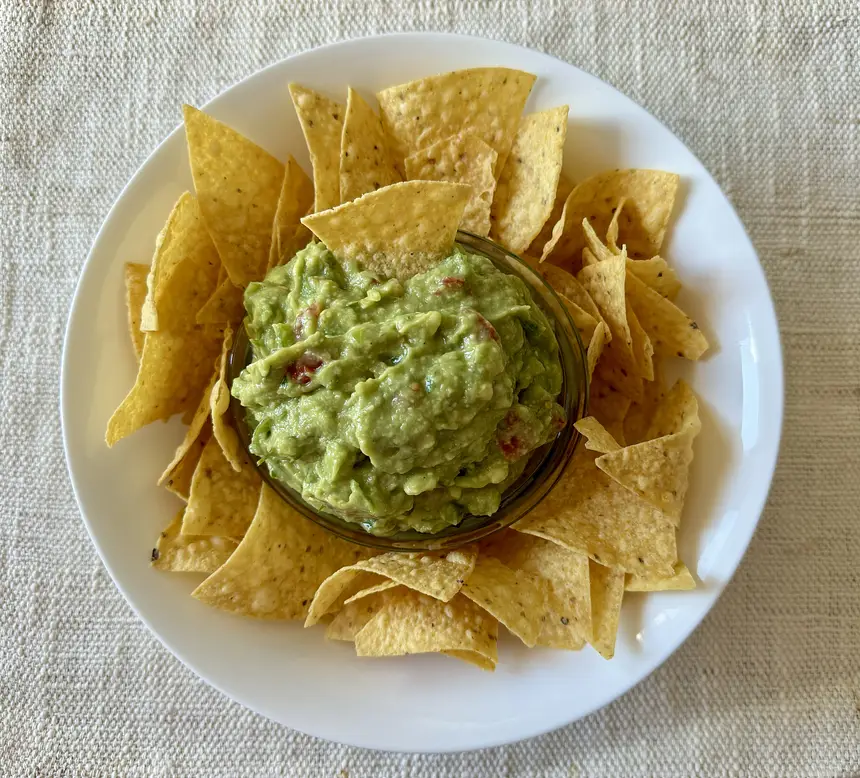
All-dressed bagel seasoning, so expensive in stores, can be easily made in a flash. It can be used on various dishes, such as avocado toast, eggs, roasted vegetables, and even popcorn. It adds a delicious and savory flavor to your favorite foods.
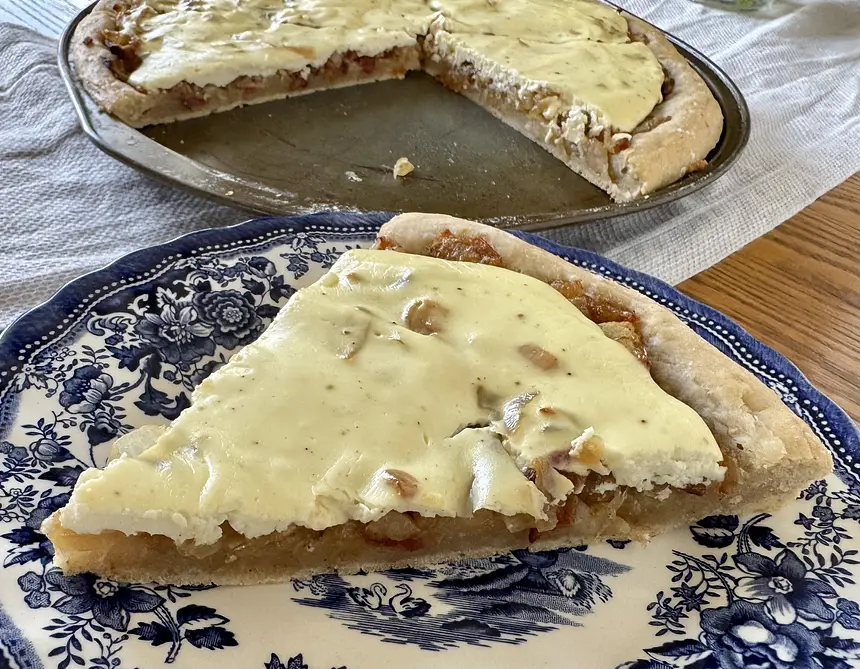
A savory German onion pie featuring a yeasted crust topped with caramelized onions, crispy bacon, and a creamy sour cream custard. Perfect as an appetizer or main dish, especially during autumn or Oktoberfest celebrations.
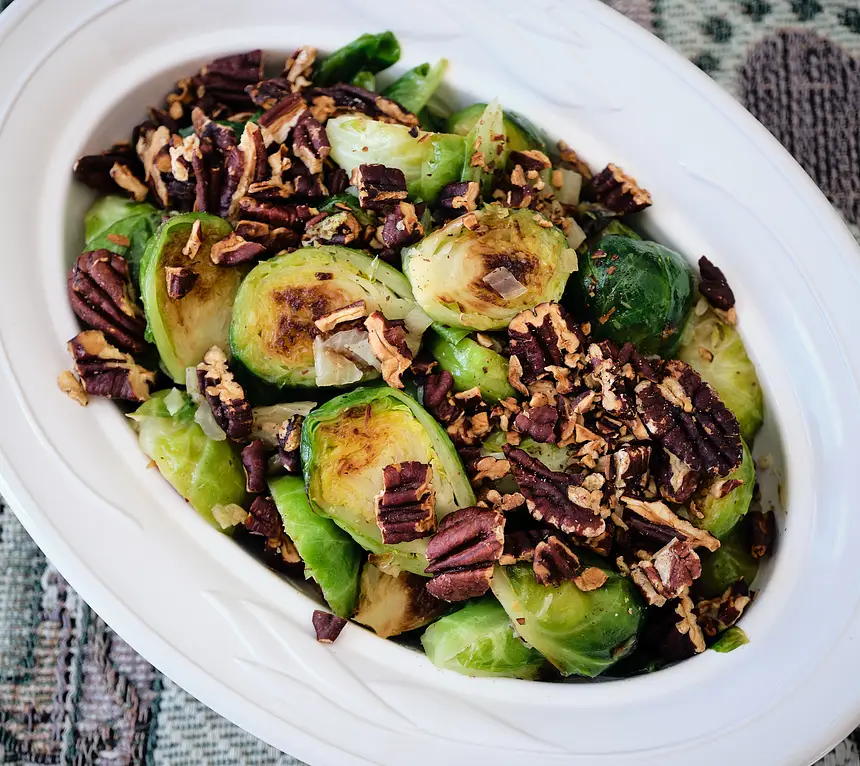
Discover this easy sautéed Brussels sprouts with pecans recipe: caramelized onions, garlic, and a hint of lemon for a quick, healthy side dish bursting with nutty crunch and subtle sweetness—perfect for weeknight dinners or holiday meals like "simple Brussels sprouts side dish ideas" or "healthy vegetable recipes with nuts."
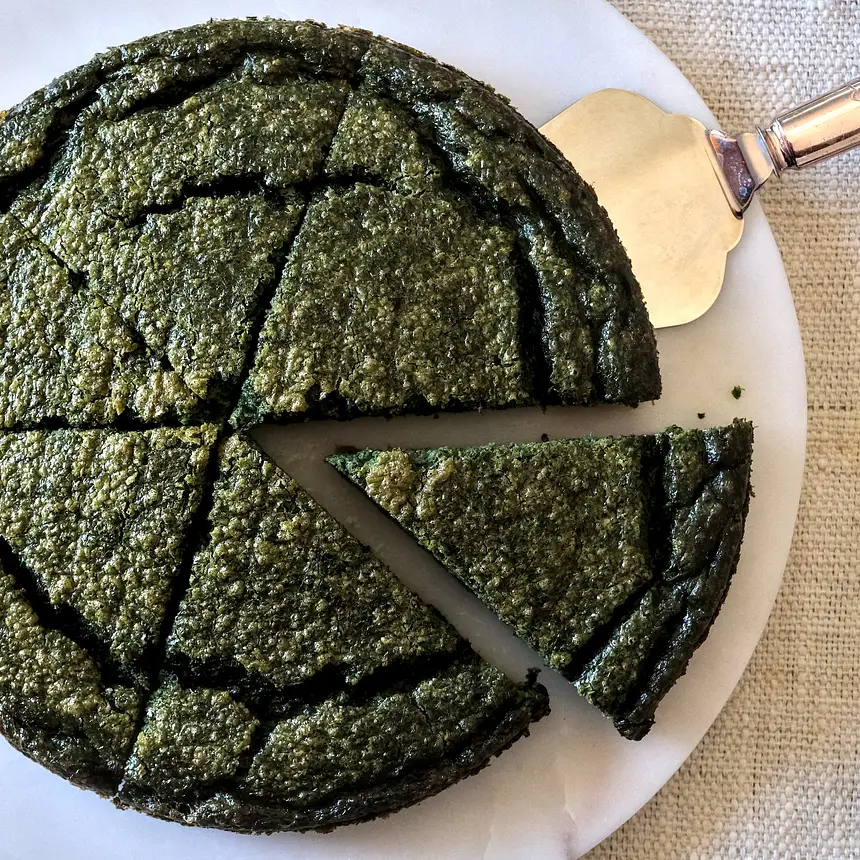
Get ready to whip up a vibrant, herb-packed dish that’s bursting with flavor and perfect for any meal of the day! This Persian-inspired frittata is a fresh twist on the classic omelet, blending tender Swiss chard, fragrant dill, and zesty scallions into a fluffy, golden masterpiece. Baked to perfection, it’s easy to make and even easier to love. Serve it with warm flatbread, a sprinkle of feta, or a side of crisp veggies for a delightful meal. Let’s dive into this green goodness!
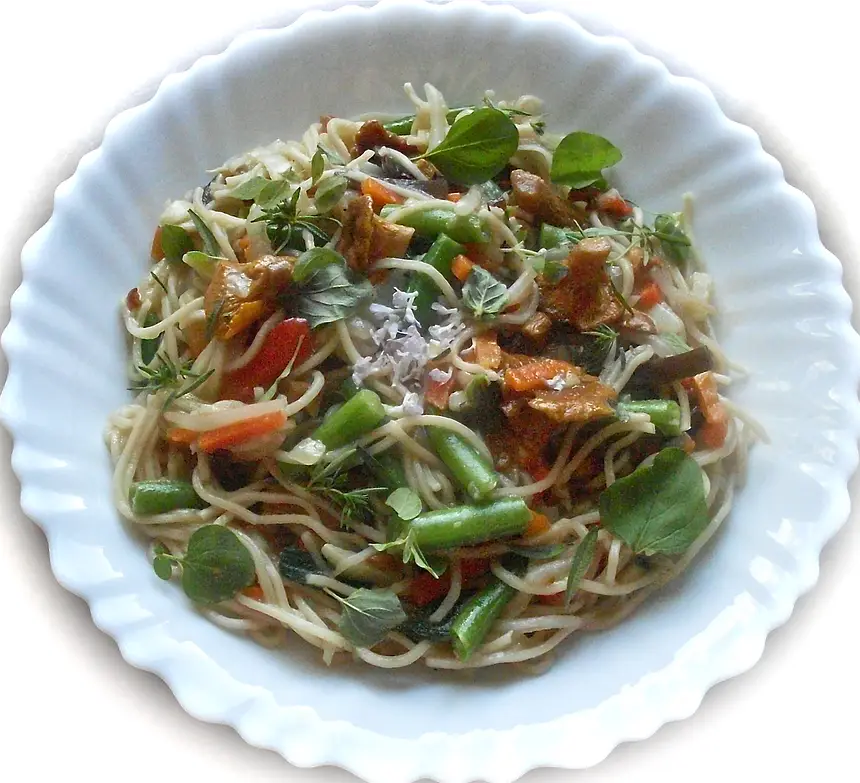
Vegan. I always wondered how would chanterelles taste with typical ingredients of Chinese cuisine. Now I know. Of course I wouldn't be myself if I didn't make it my way.
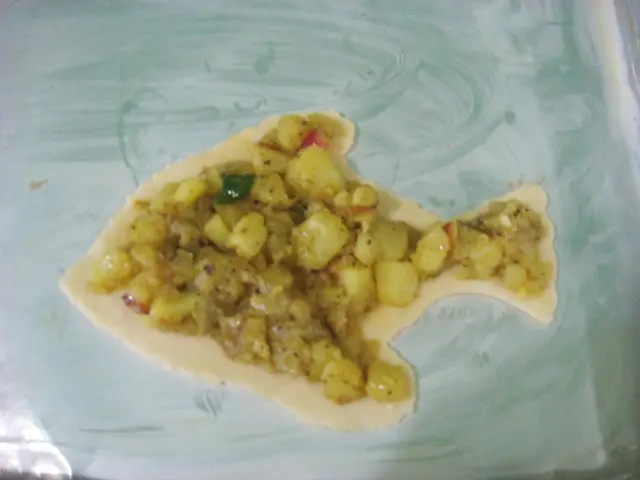
Fish-shaped salmon pastries: buttery shortcrust hand pies cut into fish, filled with smoked salmon, potato, and onion, then decorated with pastry scales and baked golden. A playful, savory party appetizer kids love.
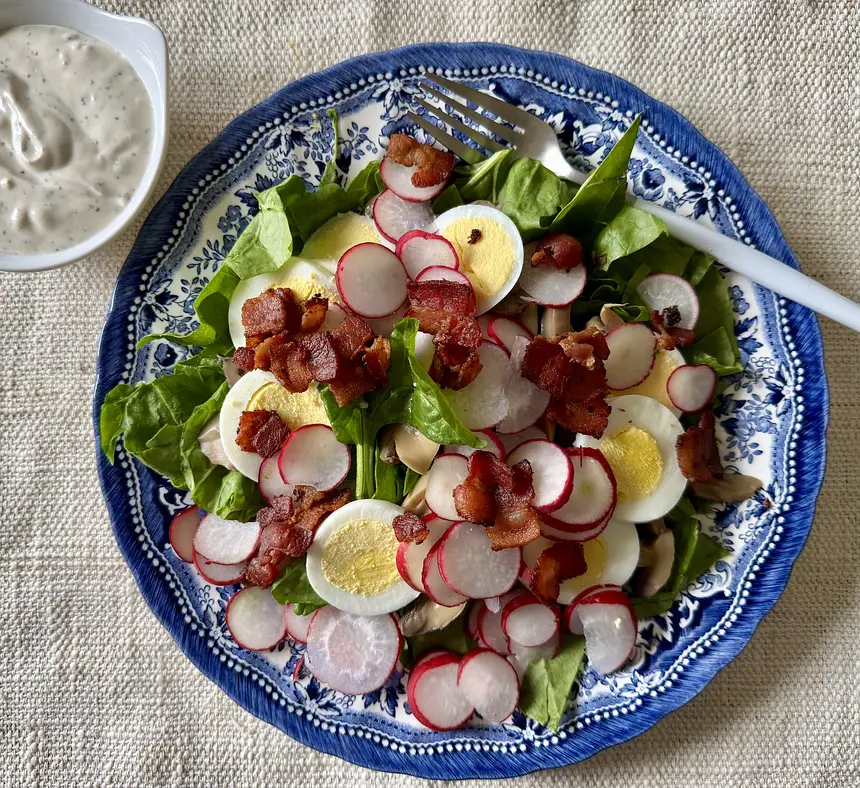
A vibrant, nutrient-packed salad featuring fresh spinach, crispy bacon, tender hard-boiled eggs, and peppery radishes, all tossed in a creamy garlic-cheese dressing with a zesty lemon kick. Perfect as a hearty side or light main dish
Birthday are always happening year round.There are many items that you can give as gifts.But homemade gift is very special.It is tasty and nutritious gift for a kids party.
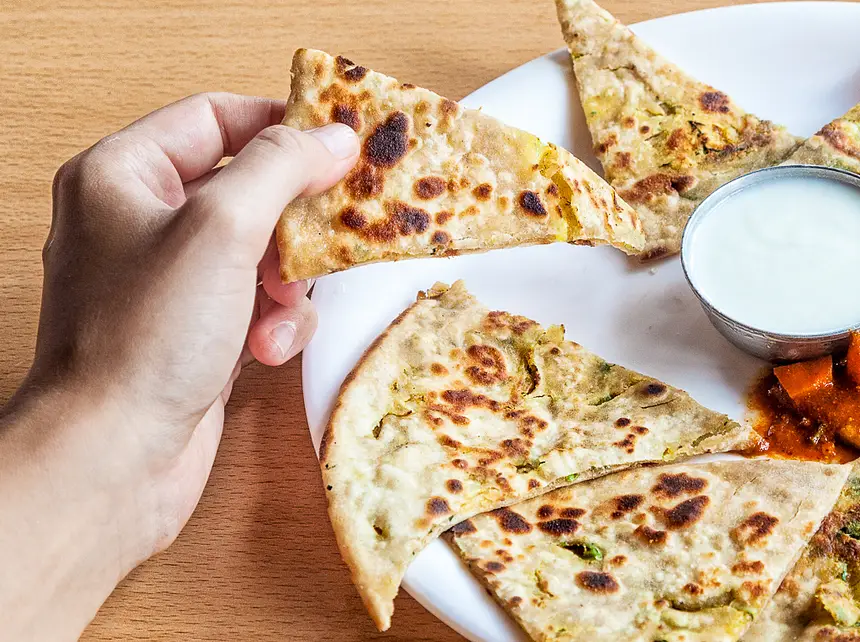
Gobhi Paratha: Indian stuffed cauliflower flatbread made with whole-wheat dough and a spiced filling of cauliflower, cumin, turmeric and green chili. Pan-fried in ghee until golden.
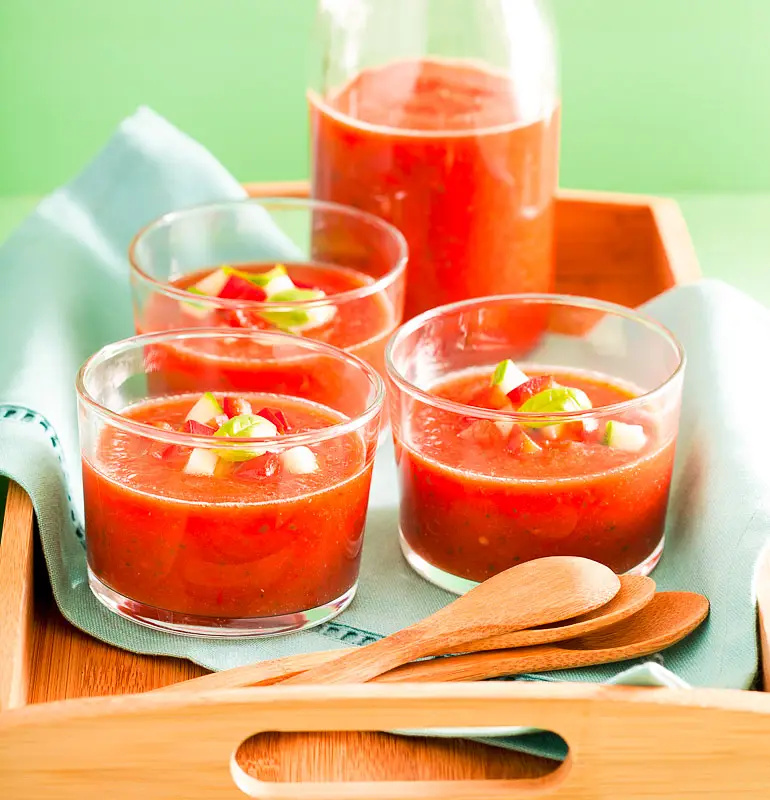
Classic gazpacho, the chilled Spanish salad soup, with fresh tomatoes, cucumber, green pepper, olive oil and white wine vinegar. No cooking required, just blend and chill.
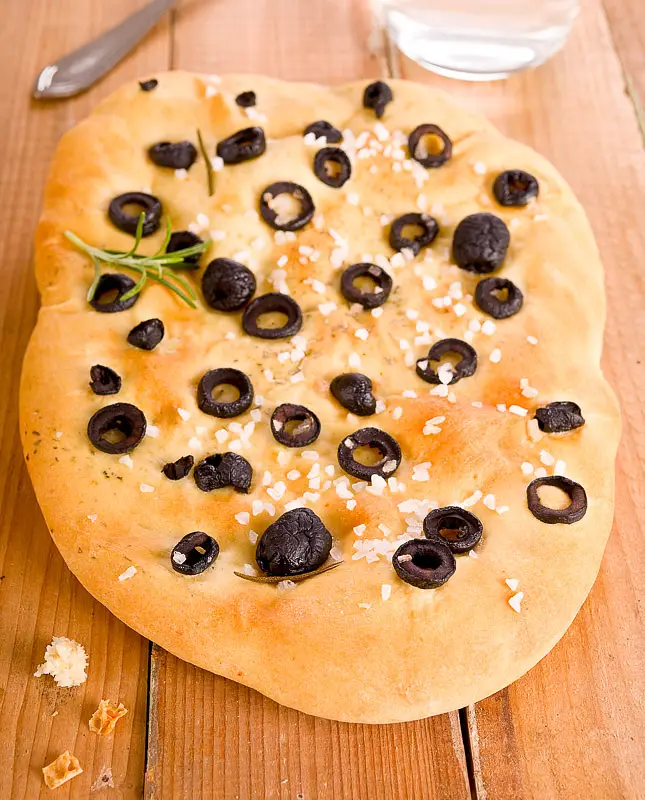
Black olive and sea salt focaccia is a classic Italian flatbread brushed generously with olive oil, scattered with chopped olives, and finished with coarse sea salt for that signature crunch.
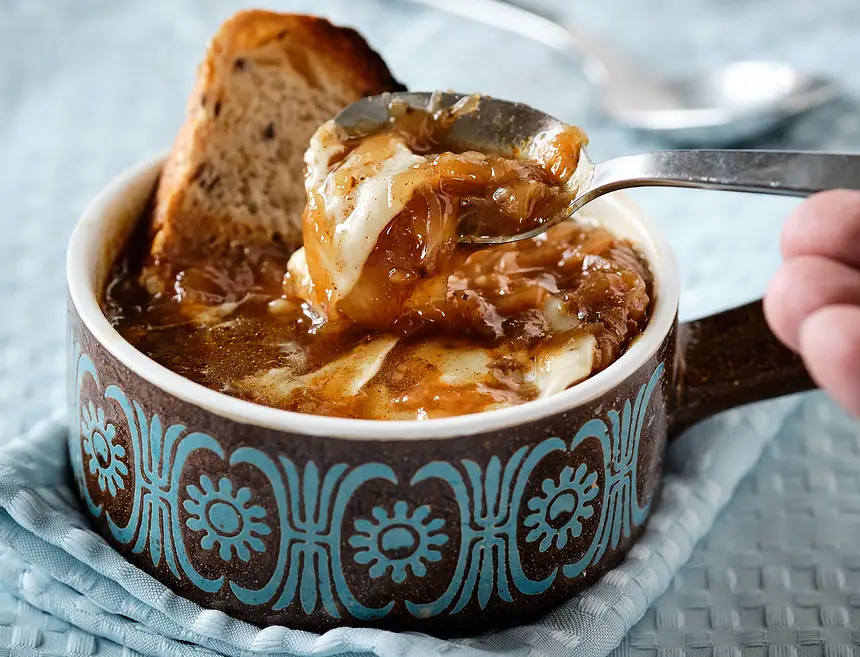
A French onion soup that boasts an abundance of caramelized onions and a deep, rich color achieved with a secret ingredient. This addition enhances the depth of color and adds a subtle backdrop to the soup, perfectly complementing the sweetness of the caramelized onions.
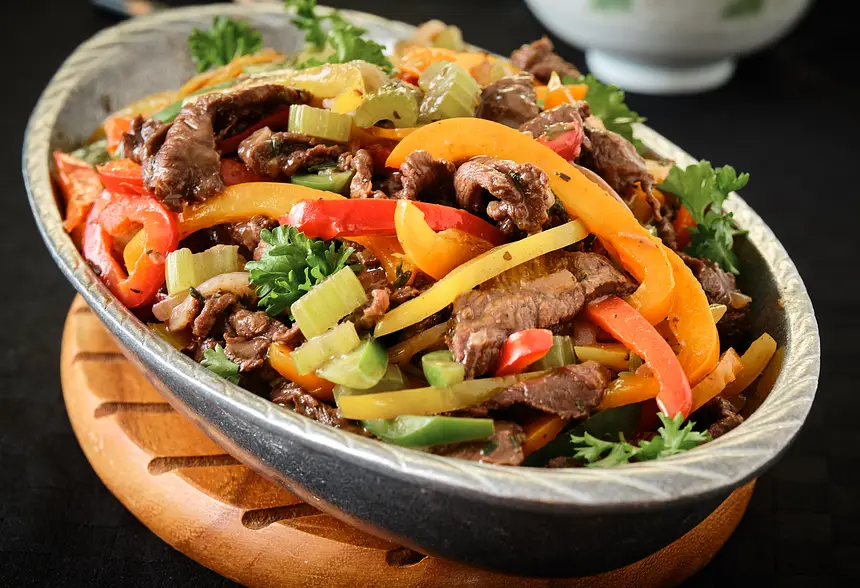
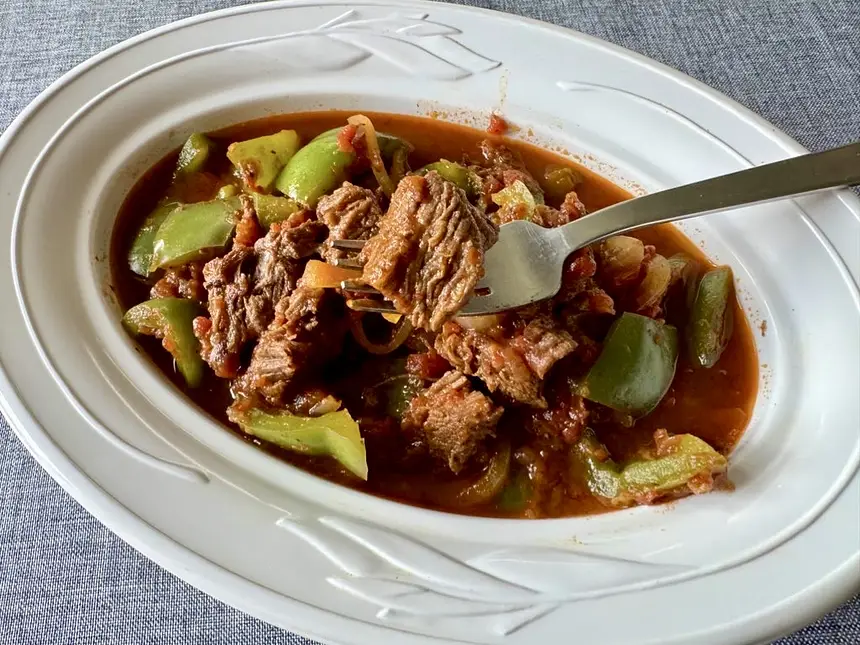
A sophisticated main dish of beef strips marinated in red wine and accompanied by a colorful array of sweet bell peppers, this recipe is a delightful fusion of rich flavors and vibrant colors, a feast for the senses that is as visually stunning as it is gastronomically gratifying.
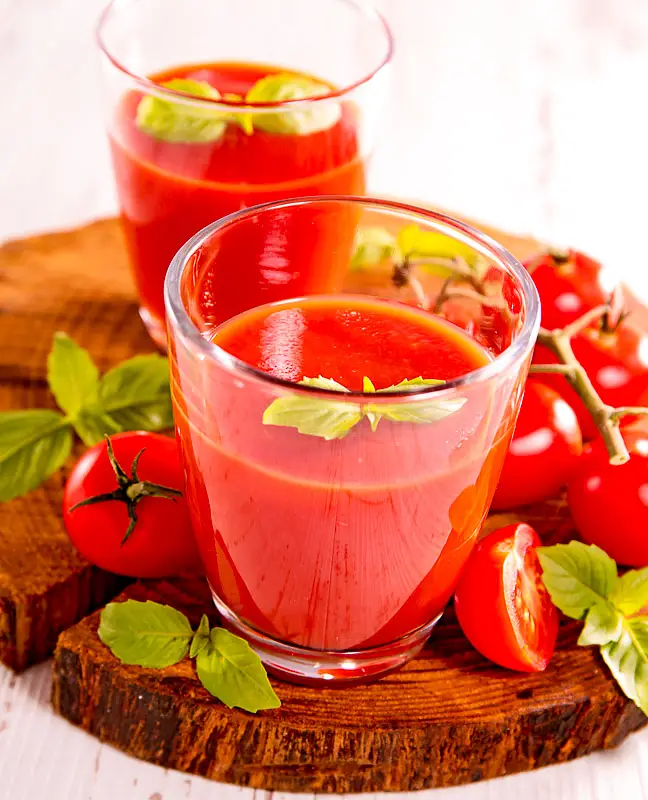
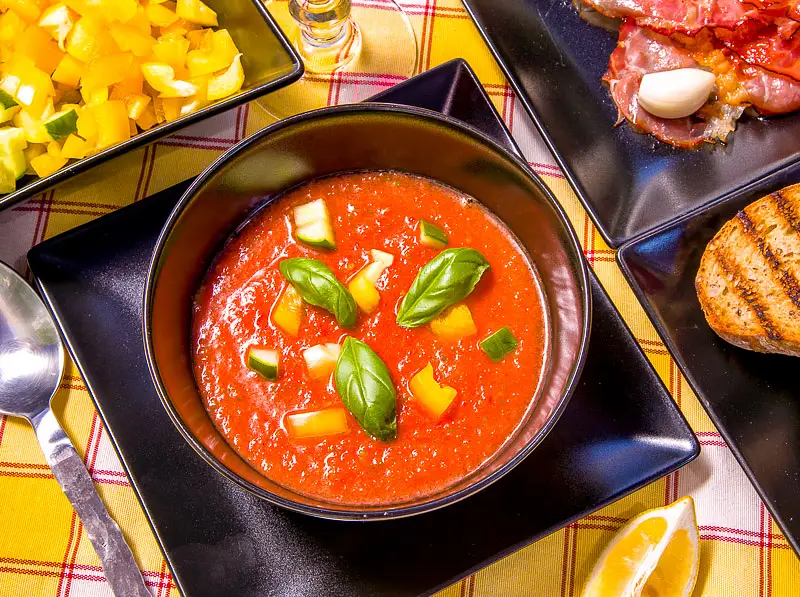
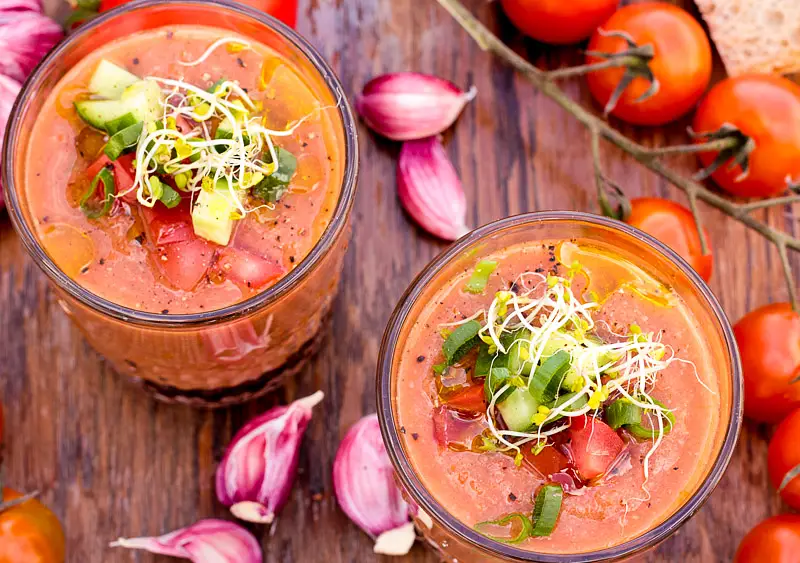
Chilled Spanish tomato gazpacho blended from ripe tomatoes, garlic, onion, green pepper, and olive oil, sharpened with vinegar and a hit of paprika. No-cook summer soup served with crunchy garnishes.
Fresh vegetable gazpacho with tomatoes, cucumbers, zucchini, and bell peppers. Quick cold Spanish soup ready in 10 minutes, perfect for summer lunches.
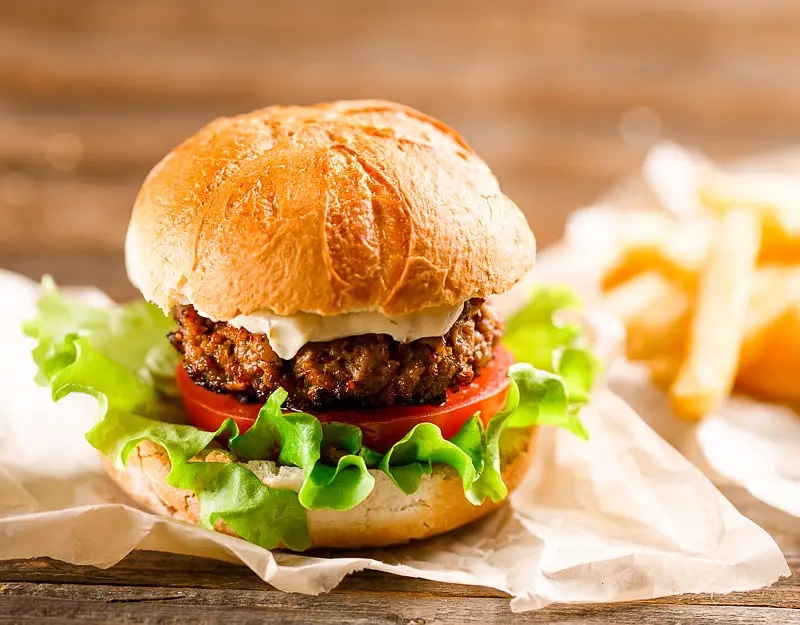
Grilled burgers with sour cream, dried thyme, and parsley mixed right into the patty for extra moisture and herby savor. The juicy weeknight cookout staple in 20 minutes.
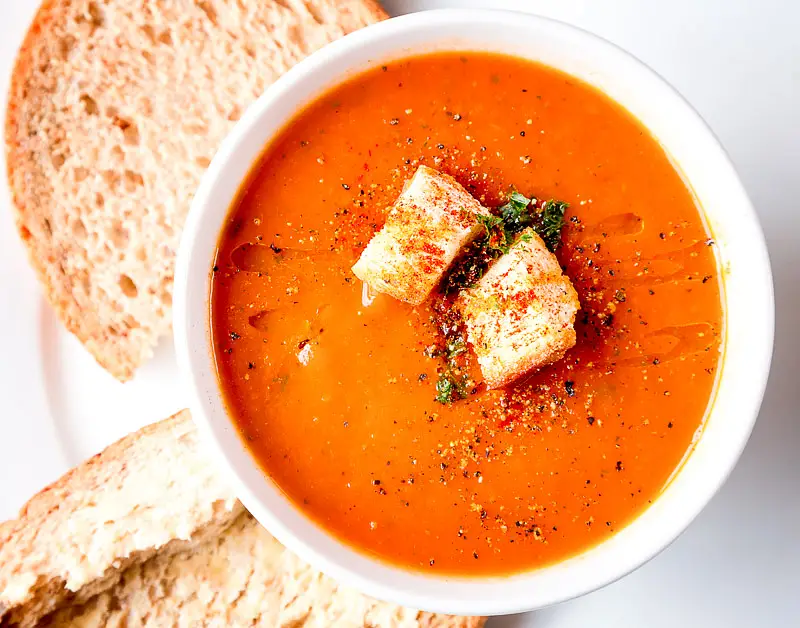
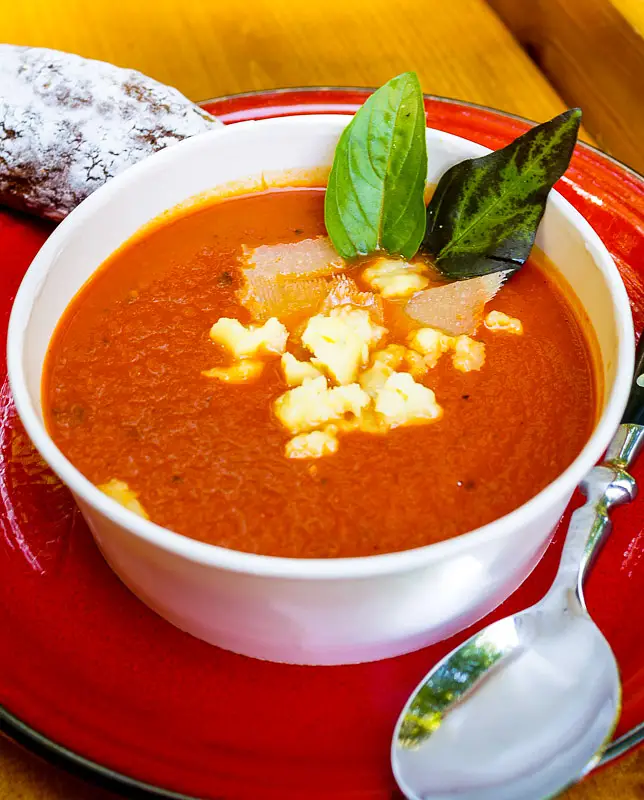
Creamy tomato and orange soup with fresh tomatoes, orange juice, orange zest and a swirl of cream. A British-style soup that's bright, velvety and full of citrus warmth.
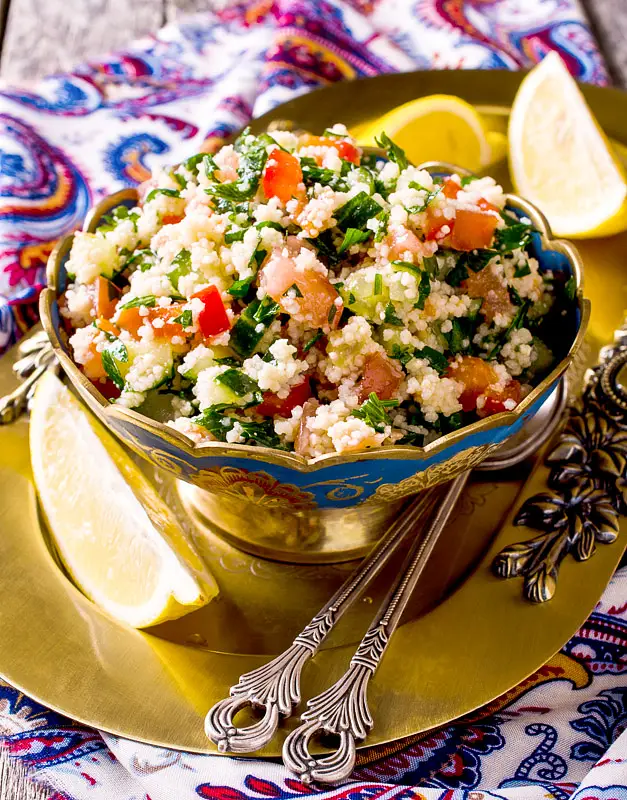
Tabouli salad with bulgur wheat, juicy tomatoes, fresh parsley, lemon, and olive oil. The classic Middle Eastern parsley salad served at room temperature with optional black olives and mint.
Kettle River gazpacho with fresh tomatoes, cucumber, green pepper, garlic, and chili sauce. A hot-and-spicy chunky version of the Spanish classic that works chilled, room temperature, or gently warmed.
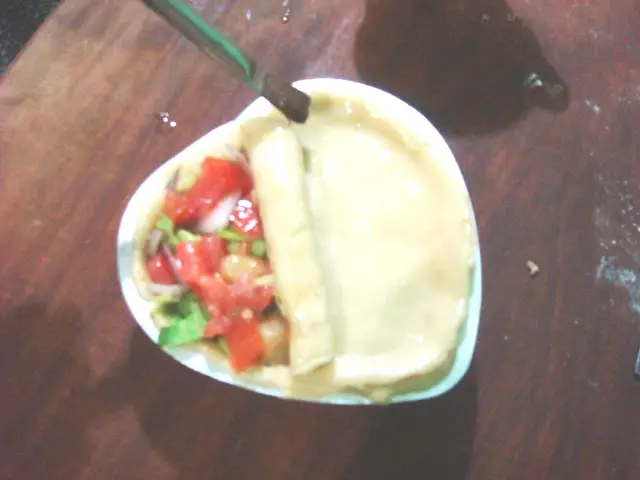
A savory breakfast tart: buttery shortcrust pressed into a heart shape and filled with salmon, mashed potato, and onion bound in egg, half-topped with pastry and baked golden. A hearty, handsome morning bake.
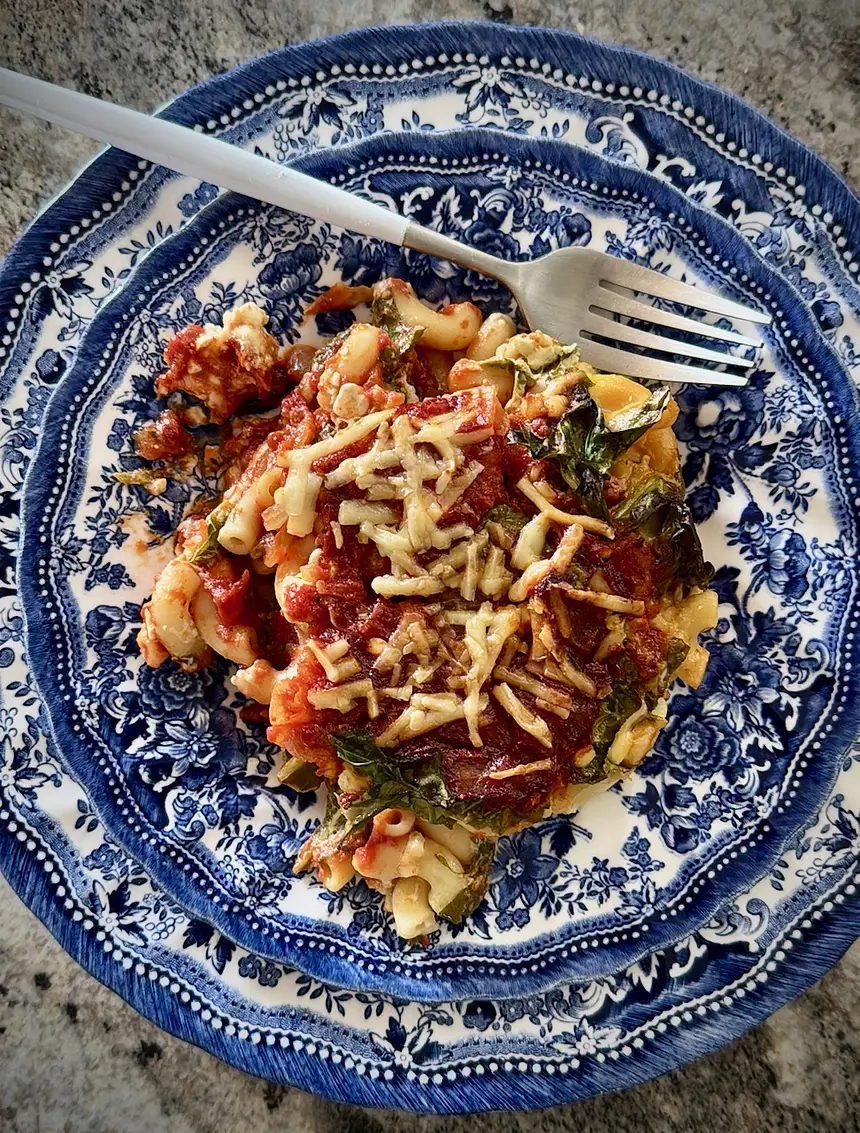
A hearty, layered casserole combining tender macaroni, savory tomato sauce, creamy spinach-cheese filling, and melted cheddar. Perfect for family dinners or meal prep. Much easier than a lasagna with just as much punch.
Make-ahead gazpacho with a Mexican twist: chilled tomato soup brightened with green taco sauce, cucumber, bell pepper, and scallions. A quick simmer melds the flavors before chilling for a sharper, deeper bowl.
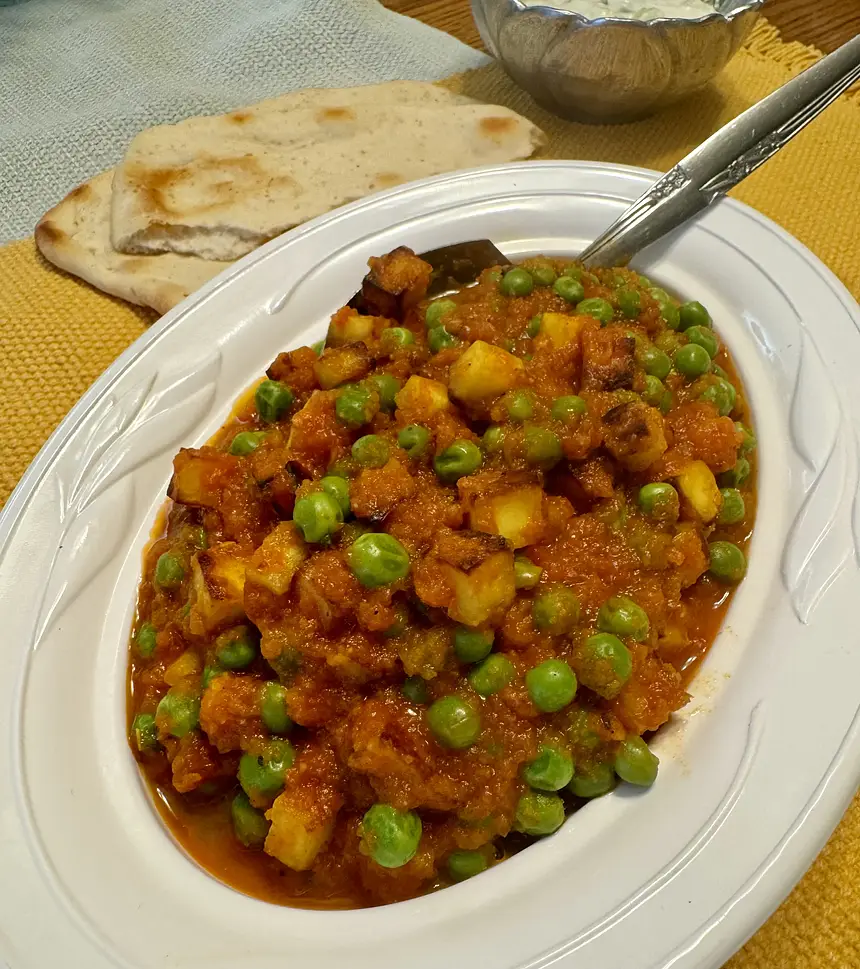
Matar paneer is a popular Indian dish consisting of paneer (a type of fresh cheese) and peas (matar) cooked in a spiced tomato-based gravy. It combines the soft, creamy texture of paneer with the sweet pop of green peas, all enveloped in a rich, aromatic sauce.
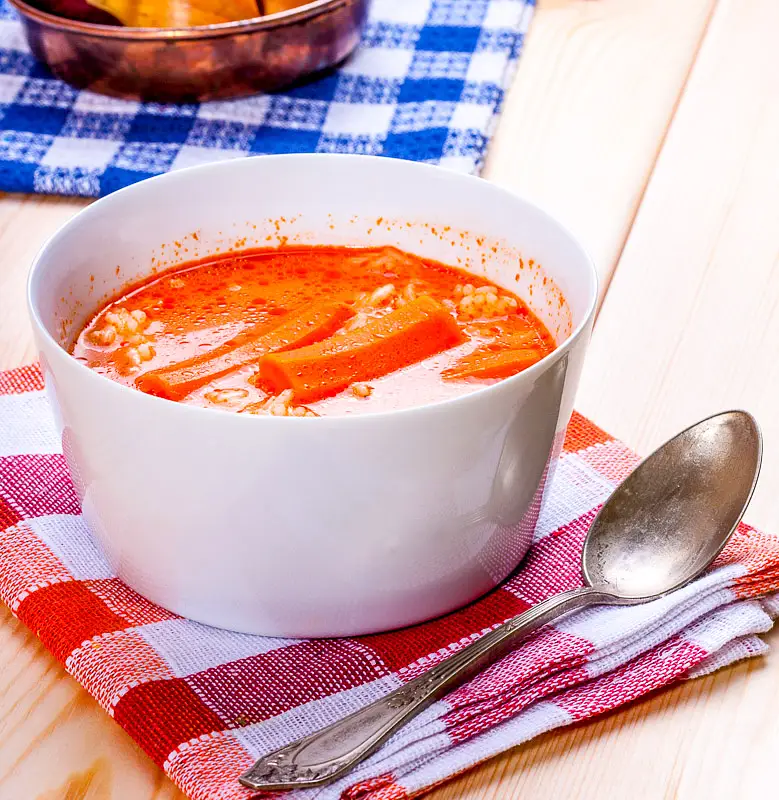
This chilled tomato carrot soup blends fresh tomatoes and sweet carrots with basil, thyme, and a whisper of nutmeg into a silky cold soup for hot summer days. Simmered, pureed, then served ice-cold with a splash of milk for creamy body.
No-cook chunky gazpacho with crushed and diced tomatoes, cucumbers, bell peppers, and a triple citrus-vinegar punch. Vegan, gluten-free, ready in 10 minutes plus chill.
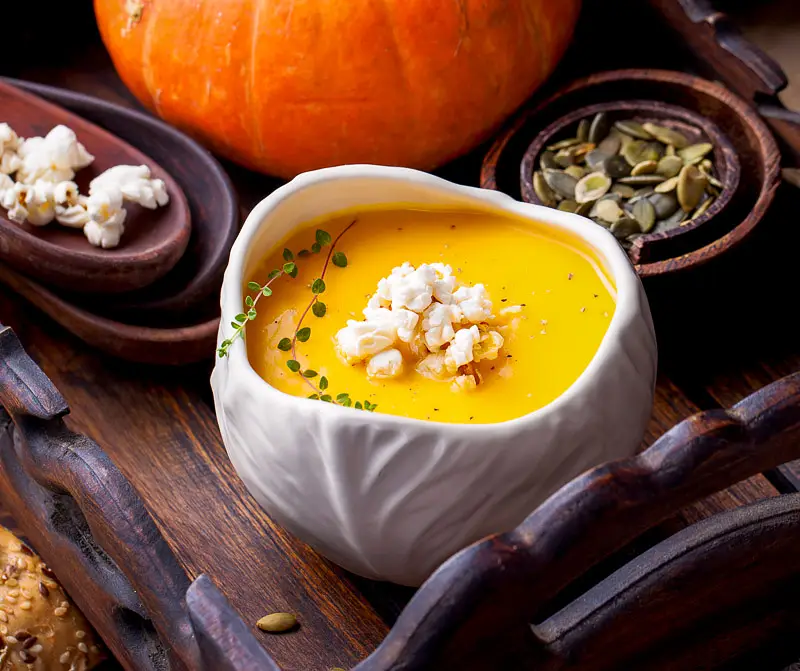
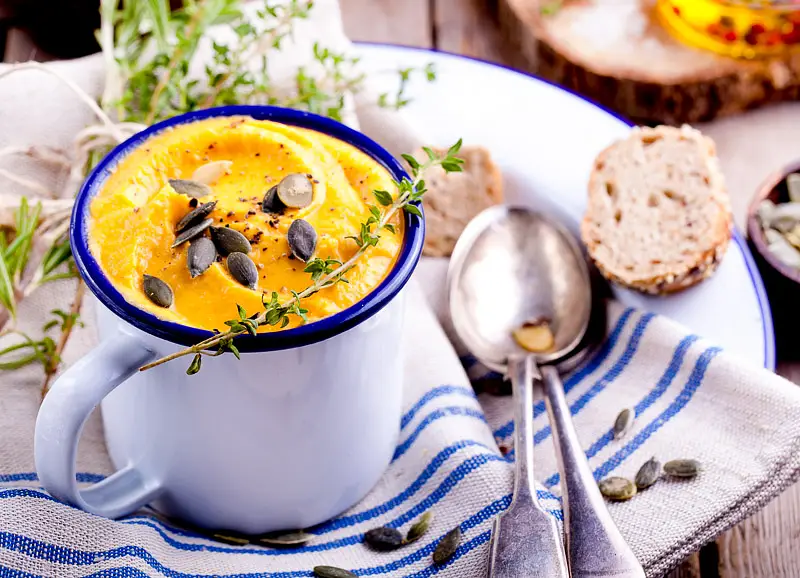
Curried pumpkin soup with sweet pumpkin puree, golden sauteed onions, warm curry powder, and a swirl of half-and-half. A silky, autumn-spiced soup garnished with pepitas or chives.
Garlicky gazpacho blended cold with six cloves of garlic, ripe tomatoes, cucumbers, bell peppers and onions, sharpened with balsamic vinegar and tomato-vegetable juice. A bold, no-cook summer soup served chilled.
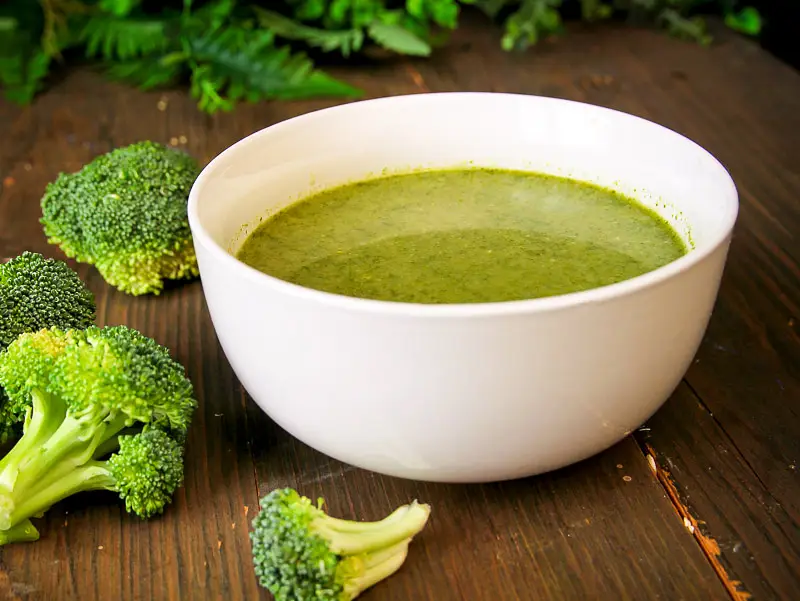
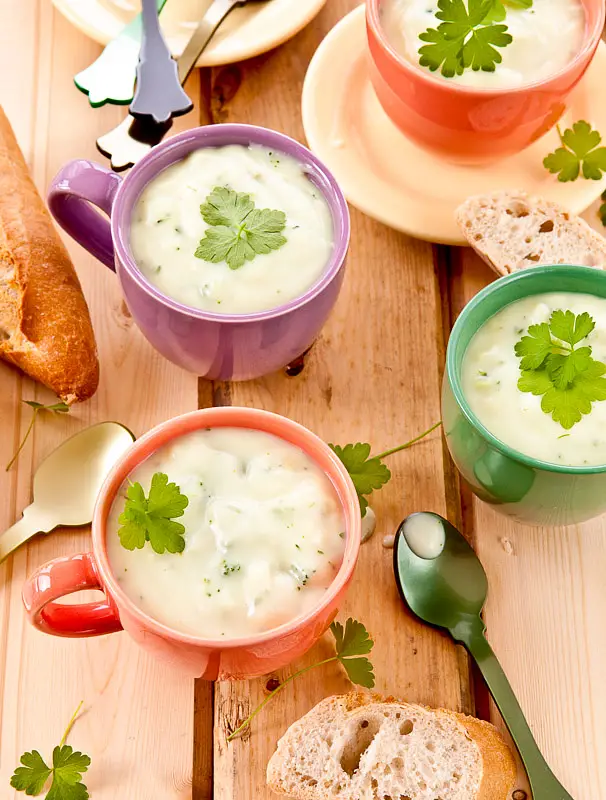
Velvety broccoli soup made from scratch with fresh broccoli florets and stems, potatoes for body, and evaporated milk for richness without heavy cream.
Classic chilled gazpacho, the no-cook Spanish soup of ripe tomatoes, cucumber, pepper, and onion blended with tomato juice and a splash of wine. Light, refreshing, vegan, and ready in 10 minutes.
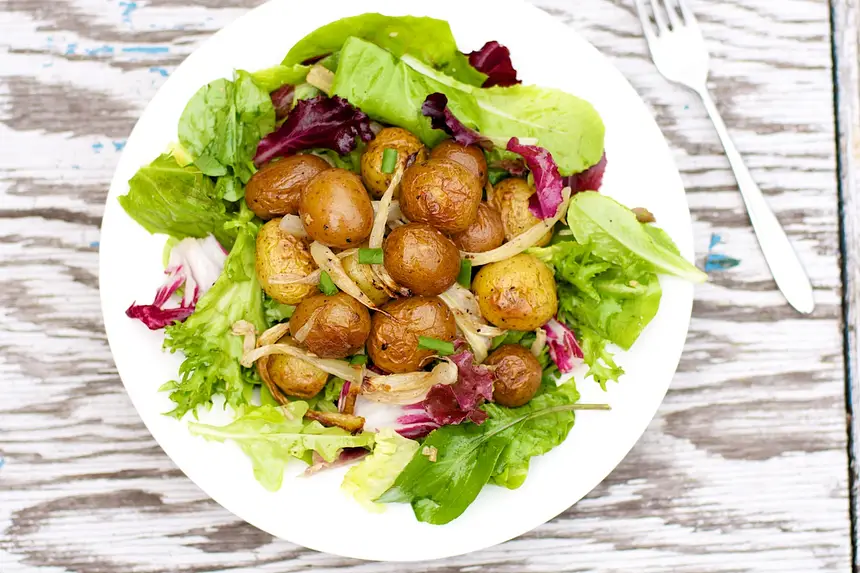
This is an awesomely flexible dinner. You basically chop everything up, douse it in oil and some salt, pepper or whichever spices you're in the mood for (or grab first!) and chuck it in the oven for an hour or so.