Here's everything worth knowing about clams and how to pick them, what they are, how to store them, and what to use instead, plus 193 recipes to cook tonight.
Key Points
Saltwater bivalves cooked in the shell; their briny liquor makes its own sauce.
Steam in a covered pan; they open in five to ten minutes.
Purge live clams in salted water 20 to 30 minutes to remove grit.
Before cooking discard any that stay open; after cooking discard any that stay shut.
Store live under a damp cloth, never sealed in a bag or in water.
What are clams?
Clams are saltwater bivalves you cook in the shell, valued for the briny liquor they release as they open. That liquor is half the point. It seasons whatever broth, pasta, or chowder surrounds them, so a pot of clams makes its own sauce.
They come in hard-shell types (littlenecks, cherrystones, quahogs) and soft-shell steamers, sold live in the shell or shucked. Canned clams and bottled clam juice cover the dishes where you want the flavor without the live work.
Smaller clams are sweeter and more tender. The big quahog is chewy, which is why it gets chopped for chowder rather than served whole.
Cooking Clams
Most clam cooking is steaming. Put them in a hot covered pan with a splash of wine or broth, and they pop open in five to ten minutes as the heat breaks the muscle holding the shell shut.
Pull each clam the moment it opens. Left in the heat, an open clam keeps cooking and turns rubbery fast, so the ones that open first should come out first.
For chowders and stews, canned clams and their juice are honestly fine and save the purging step, as in a Pacific Clam & Corn Chowder.
Purging Sand and the Open-Shut Rule
Clams live in sand, and they carry it inside. Skip the purge and you get grit in every bite, the single most common clam-dinner disappointment.
To purge, soak live clams in cold salted water (about 1 tablespoon of salt per quart) for 20 to 30 minutes. They breathe and spit out the sand. Lift them out of the water rather than pouring, so the settled grit stays behind.
Now the safety rule, and it runs both ways. Before cooking, tap any clam whose shell gapes open; a live one pulls shut, and one that stays open is dead, so throw it away.
After cooking, the rule flips. A clam that refuses to open in the heat never will, so discard any that stay shut.
Open before, shut after: both get thrown out.
Substitutes
Mussels are the closest swap and cook the same way, opening in steam and giving up a similar briny liquor. They are usually cheaper and just as good in pasta or a pot of broth.
For chowder or sauce specifically, canned clams with their juice replace fresh directly, and bottled clam juice alone stands in when you want the flavor without any meat.
Cockles work where you would use small clams and are interchangeable in most recipes. Oysters bring a different texture and are not a clean swap, though they overlap in seafood stews.
Buying and Storing
Buy clams that are tightly closed, or that close when tapped, with whole unbroken shells and a clean sea smell. A cracked shell or a sour odor means pass it by.
Keep live clams in the fridge in a bowl, covered with a damp cloth, never sealed in a bag or sitting in water, both of which suffocate them. Cook within a day or two while they are still alive.
Shucked clams keep a couple of days refrigerated in their liquor. An opened can keeps three to four days in the fridge once transferred to a covered container.
Types of clams
Specific kinds of clams and the recipes that use them.
Clam juice is the strained, briny liquid from steamed or shucked clams, bottled and sold as a pantry shortcut to seafood stock. It is not sweet like fruit juice. It is salty and savory and tastes cleanly of the sea.
Most bottles are clam broth cooked down a little and salted, sometimes with a touch of clam meat flavor concentrated in. A standard 8-ounce bottle is enough to build the base of a soup or a pan sauce for four.
For anyone who does not want to buy and steam fresh clams, it delivers that deep shellfish backbone in seconds.
Littleneck clams are the smallest of the East Coast hard-shell clams. They come from the same species, the quahog, that grows into the big, tough chowder clams, but they are harvested young.
At roughly 1½ to 2 inches across, they are sweet and tender, just briny enough to taste of the ocean without overpowering a sauce.
Their size is what makes them the all-purpose clam. A dozen fits in a single skillet, they steam open in minutes, and the meat stays bite-sized rather than turning to a leathery slab. That is why they anchor everything from a quick pasta to a pot of chowder.
Littleneck clams are the smallest and most tender size of the hard-shell clam known as the quahog, the same species sold larger as cherrystones and chowder clams. They run about an inch and a half to two inches across, with a sweet, briny, slightly chewy meat.
Their size is the whole appeal. Littlenecks are small enough to serve whole in the shell, sweet enough to eat raw on the half shell, and quick enough to steam open in minutes.
Canned clams are shucked clam meat, cooked and packed in their own juice or in water, ready to use straight from the can. They are the pantry shortcut for any dish where the clams end up chopped, from dips to chowders to pasta sauce.
You will see them two ways on the shelf. Whole baby clams are small and tender, good when you want recognizable pieces; chopped or minced clams are already cut, ideal for sauces and dips where texture should blend in.
The meat is fully cooked and mild, a touch saltier than fresh, with most of its sweetness held in the liquid.
Cherrystone clams are hard-shell clams of medium size, the middle grade of the Atlantic quahog. They are bigger than littlenecks and smaller than the large chowder clams, and that in-between size is exactly why cooks reach for them.
A cherrystone runs roughly two to three inches across, big enough that the meat has real chew and flavor, small enough to still be tender. The taste is briny and sweet, unmistakably of the sea, with more body than a delicate littleneck.
This is the all-purpose East Coast clam: stuffed, baked, steamed, or chopped into sauce.
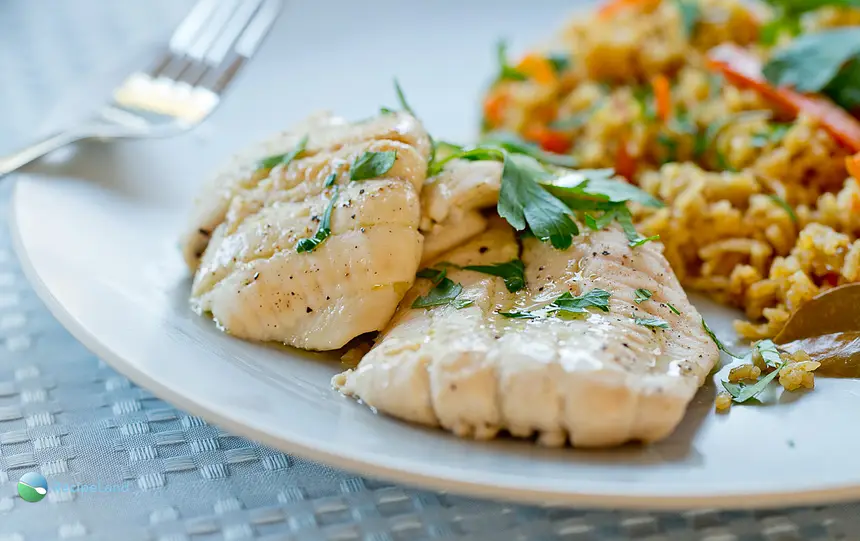
Filets of sole in white wine sauce poaches delicate sole in an oven-warmed bath of clam juice, dry white wine, garlic, bay leaf, and peppercorns. Elegant French-style fish, low in fat and big in flavor.
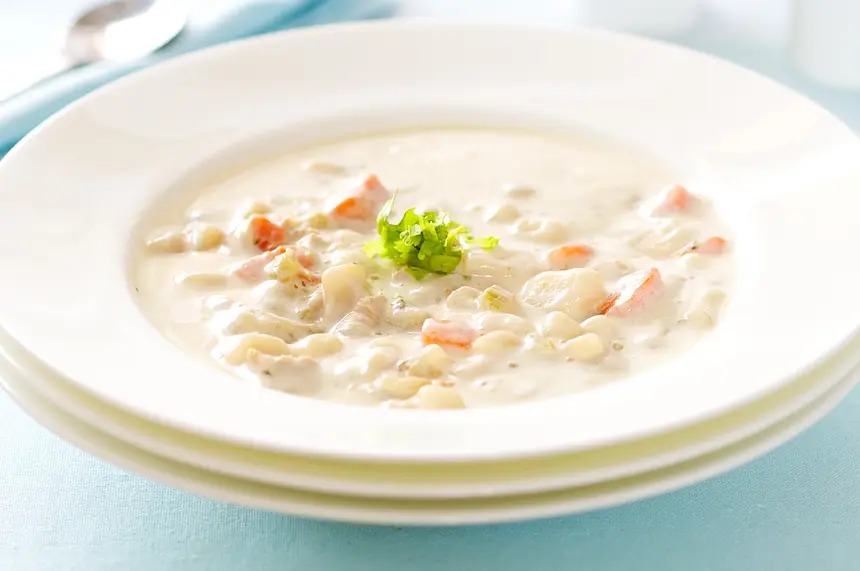
Microwave New England clam chowder: bacon, potatoes, carrot, onion, clams, milk, and cream all cooked in a single casserole. Classic chowder flavor ready in about 20 minutes.
Lettuce packages, Chinese-style lettuce wraps filled with savory ground pork, smoked clams, and water chestnuts over crispy fried bean thread noodles and walnuts. Scoop into crisp lettuce leaves and eat by hand.
Italian seafood risotto layered with shrimp, scallops, squid, mussels, and clams in a white wine garlic broth. Finished with bright gremolata and fresh herbs for a restaurant-worthy showstopper.
Lightened-up single-serving Boston clam chowder built on chicken broth and low-fat milk instead of cream, with leek, celery, red potato, canned clams and a handful of shredded spinach folded in at the end. Ready in about 30 minutes.
New England Clam Chowder is a creamy and hearty soup that originated in the northeastern region of the United States. It typically consists of clams, potatoes, onions, and milk or cream, with a base thickened by a roux. This delicious and comforting dish is a perfect meal for a chilly day and is often enjoyed with oyster crackers or crusty bread.
Traditional New England clam bake with lobsters, clams, corn, potatoes, and shrimp steamed over hot rocks under fresh seaweed. The classic beach-fire feast for a crowd of 24.
San Francisco-style seafood stew loaded with shrimp, clams, crab, and whitefish simmered in a garlicky tomato-wine broth. A homemade shellfish stock from the shrimp shells builds deep, briny flavor.
Broiled cherrystone clams smothered in a fiery compound butter loaded with garlic, shallots, Dijon, and fresh herbs. Ready in under 20 minutes for a showstopping seafood appetizer.
Garlicky paella loads saffron rice with prawns, clams, and browned chicken, perfumed with a heavy hand of garlic. The golden, one-pan Spanish classic, simmered low and never stirred so the rice cooks up tender with a crisp bottom.
Chilled shellfish gazpacho with shrimp, scallops, clams, and mussels served in roasted pepper halves with cucumber-tomato broth and olive oil croutons. A stunning cold summer seafood soup.
Plump oysters simmered in clam broth with cream, chili sauce, and butter, then ladled over crisp toast. This New York classic delivers rich, briny comfort in a single elegant bowl.
Pasta with red clam sauce made from fresh littleneck clams steamed in white wine and fish stock, then tossed with tomato, basil, and oregano. Light, briny, and ready in 30 minutes.
Linguine with canned clams, a fast pantry pasta tossed with garlic sizzled in good olive oil, dried parsley, and black pepper. Ready in about 15 minutes from ingredients you keep on the shelf.
Sardinian fregula with clams, prosciutto, saffron, and chili flakes cooked to a risotto-like consistency in white wine and tomato broth. A rustic Italian seafood pasta.
Baked clams on the half shell topped with a crispy tasso and Parmesan crust, drizzled with saffron sabayon. An elegant Cajun-inspired appetizer ready in 25 minutes.
Curried clam soup made with a creamy soup mix base, baby clams, curry powder, cumin, and a butter-flour roux for extra thickness. A quick, warming bowl in 30 minutes.
Littleneck clams steamed open in white wine with leeks, garlic, and cream, finished with a splash of Ricard for an anise-kissed French bistro soup. Ready in 30 minutes.
New England clam chowder with clarified butter, leeks, celery and Idaho potato in fresh clam juice and heavy cream. Topneck clams give the proper briny depth. Restaurant-style at home.
A traditional Spanish clay pot dish of fresh clams cooked with garlic, onion, lime juice, red wine, parsley, and bread crumbs. Rustic, briny, and served straight from the cazuela to the table.
Seafood chowder for a crowd with sole fillets, canned clams, shrimp, and cream of potato soup. Feeds 20 people in 30 minutes using mostly pantry and freezer staples. Freezes well.
Chinese egg foo young noodle bowls: crispy ham and vegetable omelets stacked over Chinese noodles in a ginger-garlic broth with sherry, soy, and rice vinegar. A one-bowl Chinese-American dinner.
Creole shrimp and crawfish pasta in a brandy cream sauce with orange zest, tarragon, and a splash of Louisiana chicory coffee. A rich, romantic dinner for two in 30 minutes.
Steamed clams in a coconut green curry sauce with lemongrass, garlic, basil, and white wine. A Hawaiian-Thai fusion seafood dish that's aromatic, creamy, and ready in 40 minutes.
Clam and shrimp chowder: a creamy New England-style seafood chowder with potatoes, corn, red pepper, and fennel seed. The anise note from fennel lifts it out of the ordinary.
Red snapper fillets steamed over mushrooms in a citrus broth of orange juice and clam juice with shallots. A light, elegant fish dinner with bright citrus flavor and tender mushrooms in under an hour.
Mushroom clam chowder made with minced clams, fresh mushrooms, celery, and onion in a light cornstarch-thickened skim milk broth. A lower-fat twist on classic clam chowder ready in 45 minutes.
Fettuccine with red clam sauce made from tomato paste, clam juice, garlic, and red pepper flakes. A briny, garlicky Italian pasta sauce that comes together in 15 minutes.
Mixed seafood pizza with clams and shrimp on an oat bran crust, topped with a cream cheese sauce, sauteed broccoli, mushrooms, and oregano. A white pizza with a lighter, health-conscious twist.
A creamy salmon chowder with sweet potatoes, regular potatoes, corn, and leeks simmered in clam juice, cream, and milk. Rich, hearty, and warming from the first spoonful.
New England clam chowder, home-style: minced clams, potato, milk, butter and crisp bacon over a sauteed onion base. A simple, no-cream version that's pantry-friendly and ready fast.
Spaghettini tossed with sauteed leeks, garlic, white wine, and chopped clams, finished with peppery arugula wilted in at the last second. Italian seafood pasta dinner for two in 45 minutes.
Spaghettini with red clam sauce tosses thin pasta in a garlicky tomato and clam-juice sauce, with fresh spinach wilted in and a shower of parmesan. A quick, brothy weeknight seafood pasta.
Steamed mussels in a lemongrass, chile de arbol, and white wine broth with napa cabbage, clam juice, and lime. A Thai-meets-French seafood bowl finished with fresh cilantro.
Pasta with white clam sauce made with fresh littleneck clams steamed in fish stock, white wine, garlic, and olive oil. A light, briny Italian seafood pasta with no cream.
Red chile pesto clams with ancho and dried red chiles, roasted garlic, pine nuts, and oregano blended into a smoky, spicy pesto spooned over steamed clams. A Mexican-Italian fusion seafood bowl.