Search
by Ingredient

What Is Flour and How Can I Use It?

Here's everything worth knowing about flour and how to pick it, what it is, how to store it, and what to use instead, plus 14,100 recipes to cook tonight.

flour

Key Points

  • Protein decides texture: bread flour runs 12 to 14 percent, all-purpose 10 to 12, cake 7 to 9.
  • Weigh it: a cup is 120 to 125 grams; scooping from the bag packs in about a quarter more.
  • Stir batters until just combined; extra mixing builds gluten and toughens the crumb.
  • Whole wheat flour carries oils that turn rancid; refrigerate or freeze it past three months.

What is flour?

Flour is a whole category wearing one name. The bag labeled all-purpose is one point on a spectrum that runs from soft cake flour to high-protein bread flour, and where a flour sits on that spectrum decides how your baking turns out.

The protein is the part to watch. Wheat proteins form gluten when mixed with water, a stretchy network that traps gas from yeast or leavening; more protein means more chew, less means more tenderness.

More than 14,000 recipes on Recipeland call for flour in one form or another.

Picking the Right Type

  • Bread flour, 12 to 14 percent protein: chewy loaves, bagels, pizza crust.
  • All-purpose, 10 to 12 percent: cookies, pancakes, quick breads, Granny's Flour Tortillas.
  • Cake flour, 7 to 9 percent: tender cakes and delicate pastry.

Swapping types without adjusting is the quiet killer of good recipes. A cake built on bread flour comes out dense and bready; bread built on cake flour cannot hold its rise.

When a recipe names a flour, that is the one it was tested with. Use it.

Measuring It

Buy a kitchen scale before any other baking gadget. A cup of flour should weigh 120 to 125 grams, and a scale is the only way to hit that number every time.

Without one, spoon the flour into the cup and level it with a knife. Scooping the cup straight into the bag compacts the flour and can pack in roughly a quarter more than the recipe wants, which is why so many "followed it exactly" cookies bake up dry.

Word order matters with sifting. "1 cup sifted flour" means sift first, then measure; "1 cup flour, sifted" means measure first. The difference is real, about 20 grams a cup.

Mixing and Resting

Stir batters until just combined and then stop. Every extra stroke develops gluten, and gluten is the difference between a tender muffin and a rubbery one.

Batters with time to rest behave better. Fifteen to thirty minutes lets the flour hydrate fully, so pancakes cook up softer and crepes stop tearing.

Flour also works outside of baking. Toasted slowly in butter it thickens and flavors sauces and soups; Basle Flour Soup builds an entire dish on flour browned to the color of chocolate.

Swapping Flours

Out of cake flour, make it: for each cup, measure all-purpose, remove 2 tablespoons, and replace them with cornstarch. There is a Cake Flour Substitute recipe on the site that walks through it.

Bread flour and all-purpose swap reasonably in both directions; expect a little less chew or a little less puff, not failure.

Gluten-free is a different project, not a substitution. Almond flour is dense and works where structure comes from eggs. Coconut flour drinks liquid, so use about ¼ the amount and add moisture. Oat flour is the gentlest swap for pancakes and quick breads.

Buying and Storing It

Buy bags you will finish in a few months. White flour keeps about a year in a sealed container in a cool cabinet, but it picks up odors and the occasional pantry moth, so a real lid beats a rolled-down bag.

Whole wheat flour is the exception. The germ and bran carry oils that go rancid at room temperature within about three months, so refrigerate or freeze it from the start.

Trust your nose. Sour, musty or sharp smells mean the flour is done, and stale flour drags every flavor in the recipe down with it.

Types of flour

Specific kinds of flour and the recipes that use them.

whole-wheat flour

Whole-wheat flour

Whole wheat flour  is a powdery substance derived by grinding or mashing the wheat's whole grain.

It is used in baking but typically added to other "white" flours to provide nutrients (especially fiber and protein), texture, and body to the finished product.

Whole wheat flour is more nutritious than refined white flour, although in a process called food fortification, some micronutrients are added back to the white flour (required by law in some jurisdictions). Fortified white wheat flour does not, however, contain the macronutrients of the wheat's bran and germ (especially fiber and protein). Whole wheat is a good source ofcalcium, iron, fiber, and other minerals like selenium.

Shelf life

Whole wheat flour has a shorter shelf life than white flour. The higher oil content contained in the bran of the wheat, as the higher oil content leads to rancidity with longer term storage. It is also more expensive, due to its relative unpopularity and the inclusion of the wheat bran and wheat germ, which producers of white flour can sell separately.

To avoid rancidity store your whole grain flour tightly sealed in the freezer.

Typically, whole wheat flour is not the main ingredient of baked goods, as it adds a certain "heaviness" which prevents baked goods from rising as well as white flours.

This adds to the cost per volume of the baked item as it requires more flour to obtain the same volume, due to the fewer and smaller air pockets trapped in the raised goods. Thus, many baked goods advertised as whole wheat are not entirely whole wheat; they may contain some refined white wheat, as long as the majority of the wheat used is whole wheat.

Nevertheless, it is possible to make a high-rising, light loaf of 100% whole wheat bread, so long as one increases the water content of the dough (the bran and germ in whole wheat absorb more water than plain white flour), kneads the dough for a longer period of time to develop the gluten adequately, and allows for a longer rise before shaping the dough.

Some bakers let the dough rise twice before shaping. The addition of fats, such as butter or oil, and milk products (fresh milk, powdered milk, buttermilk, yogurt, etc.) can also greatly assist the rising process.

unbleached all-purpose flour

Unbleached all-purpose flour

All-purpose flour is milled from wheat to a moderate protein level, usually around 10 to 12 percent, which is why it handles so many jobs passably well.

It is the default flour in most home kitchens, the one a recipe means when it just says "flour."

Unbleached simply means it was not treated with chemical whiteners. It keeps a faint cream color and ages naturally, and it behaves the same as bleached flour in nearly every recipe. The protein content drives results, not the color.

That middle-of-the-road protein is the whole point. It builds enough gluten for a sturdy loaf or a chewy cookie, but not so much that a cake turns rubbery.

How to Use It

Reach for it whenever a recipe does not specifically call for a tenderer or stronger flour. Cookies, muffins, pancakes, quick breads, pie dough and most everyday baking are squarely its territory.

It also thickens. A tablespoon whisked into fat makes a roux for gravy, and a spoonful coats meat before browning so a stew gains body.

How you measure matters more than the brand. Scooping the cup straight from the bag packs in too much flour and leaves baked goods dry and dense. Spoon it in and level the top, or better, weigh it: one cup is about 120 grams (4¼ ounces).

It carries enriched doughs nicely too, from a tender Brioche type Bread to the spiced swirl of Chocolate Cinnamon Rolls, where you want some chew but not the dense pull of a bread-flour crumb.

Cooking and Pairing

All-purpose plays well with the leaveners and liquids around it. Pair it with baking powder or soda for quick breads, with yeast for everyday loaves, and with eggs and milk for batters like Popovers with Plum Jam, where moderate gluten gives the structure to climb and hold a hollow center.

The usual mistake is overworking it. Stir a muffin or pancake batter just until the flour disappears; every extra turn builds gluten and toughens the crumb. Lumps are fine and bake out.

The opposite mistake is underbaking thickened sauces. Raw flour tastes pasty, so let a roux or floured gravy bubble a couple of minutes to cook the starch through.

Substitutes

Match the swap to the job. For a chewier, sturdier result, bread flour steps up with more protein, useful in pizza and rustic loaves. For a more tender crumb, cake flour drops the protein, though you may need to adjust liquid.

You can mimic self-rising flour by adding 1½ teaspoons of baking powder and ¼ teaspoon of salt per cup.

Whole wheat flour subs in for up to half the all-purpose in most recipes. Go further and the bran cuts gluten strands, giving a denser, drier result unless you add liquid.

Buying and Storing It

Any major brand of unbleached all-purpose is fine.

What varies is the protein, with national brands often slightly higher than regional ones, which shows up as a touch more chew.

Keep it airtight in a cool, dark cupboard, where it holds six to eight months. The natural oils in the wheat eventually go stale, so a long-stored bag can pick up a faint cardboard smell.

For longer storage, freeze it; in an airtight bag it stays fresh for a year or more. Let it come to room temperature before baking so it hydrates evenly and does not chill your butter.

bread flour

Bread flour

Bread flour is wheat flour milled from harder, higher-protein wheat, typically 12 to 14 percent protein. That extra protein is the entire reason it exists. It builds more gluten, the stretchy network that traps gas and gives bread its chew and lift.

Compared with all-purpose, the difference is structural. The same recipe made with bread flour holds a taller rise, a more open crumb, and that satisfying pull when you tear a piece.

It is a workhorse for yeasted doughs, not a general baking flour. Use it where you want strength, not tenderness.

How to Use It

This is the flour for chewy, structured breads: artisan loaves, baguettes, bagels, pizza and rolls. The strong gluten lets a dough stretch thin without tearing and hold the bubbles that bake into an airy interior.

It does its best work in lean doughs where flour, water, yeast and salt do everything, like a slack, blistered Ciabatta #2. The high protein lets the dough hold a very wet, sticky hydration that gives those big irregular holes.

It also earns its place in enriched and pulled doughs. A coil of Linda's Giant Cinnamon Roll or a batch of soft Mini-Hot dog buns - Sliders keeps its shape and springs back because the gluten is strong enough to take the pull.

Knead it well. Bread flour rewards the development that would overwork a cake batter; you are building the structure that makes the loaf.

Cooking and Pairing

Bread flour wants water and time.

Higher protein absorbs more liquid, so a dough that looks too dry at first often hydrates as it rests, and a long, slow ferment deepens flavor while the gluten relaxes.

Pair it with steam in the oven for a crackly crust, and with a hot stone or steel for the burst of oven spring it is built to deliver.

The common mistake is using it everywhere. In cookies it can bake up tough and chewy rather than tender, and in cakes it turns the crumb rubbery. Save it for things you want to have bite.

The second mistake is shorting the water. Swap bread flour into an all-purpose recipe without adding a little liquid and the dough turns stiff and dry.

Substitutes

All-purpose flour is the everyday stand-in. The loaf will be a touch softer with a slightly tighter crumb, fine for sandwich bread, just less chewy.

To close the gap, add wheat gluten: about 1 teaspoon per cup of all-purpose nudges the protein up toward bread-flour strength.

Cake flour is the wrong direction entirely. It lacks the protein to build a real bread structure, and the loaf will collapse.

Buying and Storing It

Check the protein on the side panel. Bread flours run from around 12 percent up to 14 percent, and the higher numbers give the chewiest results, worth seeking out for bagels and pizza.

Store it like any flour: airtight, cool and dark, where it keeps six to eight months. The freezer extends that to a year or more in a sealed bag.

Bring it to room temperature before mixing. Cold flour slows the yeast and can leave you waiting on a sluggish first rise.

cake flour

Cake flour

Cake flour is wheat flour milled fine from soft, low-protein wheat, usually 7 to 9 percent protein. Less protein means less gluten, and less gluten means a soft, fine, tender crumb. That tenderness is its whole reason for being.

It is also milled finer than all-purpose and most often bleached, a treatment that weakens the proteins further and lets the flour carry more sugar and fat without collapsing.

The result is a cake that rises high and feels almost cottony, the texture you want in a layer cake or a sponge.

How to Use It

Reach for cake flour when a delicate crumb is the goal: angel food, chiffon, sponge and tender butter cakes. The low protein keeps the structure from turning chewy even when you beat the batter to incorporate air.

It is what gives a Feather Light Angel Food Cake with Egg White Frosting its cloud-soft texture, since there is almost nothing but whipped whites and flour holding it up.

The fine grind matters in high-ratio cakes, the kind carrying more sugar and liquid than flour, like a Best Ever Red Velvet Cake. All-purpose would give a coarser, sturdier crumb.

Sift it before measuring. Cake flour clumps easily, and a packed cup throws off a delicate batter where a tablespoon too much reads as dry.

Cooking and Pairing

Cake flour partners with gentle leaveners and whipped air. It works with baking powder, with creamed butter and sugar, and above all with beaten eggs, which do much of the lifting in a low-gluten batter.

The biggest mistake is overmixing once the flour goes in. With so little protein you would think it forgiving, but beat it hard after adding flour and you still toughen the crumb and knock out air. Fold gently and stop early.

The second is using it for the wrong job. Cake flour cannot carry a yeast bread or a sturdy cookie; it has no muscle, and the result spreads or sinks.

Substitutes

You can fake cake flour from all-purpose.

For each cup, remove 2 tablespoons of all-purpose and replace them with 2 tablespoons of cornstarch, then sift several times to blend and aerate. The cornstarch dilutes the protein and softens the crumb.

It is not a flawless match, since the grind is coarser, but it is close enough for most cakes.

Self-rising flour is also low protein, but it has baking powder and salt added, so only swap it in if you adjust the leavening accordingly. Bread flour is the wrong choice; its protein makes a tough, rubbery cake.

Buying and Storing It

Look for boxes labeled cake flour, often bleached, in the baking aisle near the all-purpose. Bleached versions give the softest, whitest crumb, which is why most cake flour is sold that way.

Store it airtight in a cool, dark spot, where it holds six to eight months. Because it is so fine, it absorbs odors and moisture quickly, so keep it sealed away from anything fragrant.

For long storage, freeze it in an airtight bag for up to a year. Let it warm and sift it again before use, since freezing can pack it down.

whole-wheat pastry flour

Whole-wheat pastry flour

Whole wheat pastry flour is a low-protein flour milled from soft white wheat with the bran and germ left in. It gives you the nutty flavor and fiber of whole wheat without the chew that regular whole wheat flour brings to tender baked goods.

It comes down to protein. At roughly 8 to 9 percent it sits close to white pastry or cake flour and well below all-purpose, so it forms little gluten and bakes up soft.

That makes it the whole-grain flour to reach for when you want muffins, scones, and pie crust that stay delicate. See the flour hub for how it fits the wider family.

Where It Works Best

Use it anywhere tenderness matters more than rise: muffins, quick breads, cookies, biscuits, pancakes, and pastry. It folds whole-grain nutrition into recipes that would turn tough with standard whole wheat flour.

Pie and tart dough is where it earns its keep. A Whole Wheat Tart Crust or a rustic Fresh Peach Galette stays flaky because the low protein keeps the crust from tightening.

It is just as good in morning baking, from Banana Buttermilk Pancakes to a batch of Pear-Pecan Muffins.

Getting the Best Results

The flavor leans toward bread baking: honey, maple, banana, apple, warm spices, and toasted nuts all suit it.

What it cannot do is rise like a bread flour. Do not use it for yeast loaves expecting a tall, chewy crumb, because the weak gluten will give you a dense, squat result.

The other common slip is overmixing. Whole-grain flours drink more liquid, so a batter can look dry and tempt you to keep stirring. That develops what little gluten there is and toughens the crumb. Mix just until combined and let it rest a minute.

Swaps That Work

The cleanest substitute is regular pastry flour or cake flour for an even more tender, paler result; you lose the whole-grain flavor but keep the texture.

To approximate it, blend white pastry flour with a small share of regular whole wheat flour. You can also cut all-purpose with cornstarch, about 2 tablespoons of cornstarch per cup, to drop the effective protein.

In the other direction, regular whole wheat flour works in a pinch, but the crumb comes out denser and chewier.

Buying and Storage

Look for it labeled whole wheat pastry flour or white whole wheat pastry flour, often near the specialty and organic flours. Bob's Red Mill and King Arthur are widely stocked options.

Because the germ and its oils remain, it spoils faster than white flour. Keep it airtight in a cool pantry for up to three months, or in the freezer for up to a year.

Let it come to room temperature before baking. A rancid, sharp smell means it is past its prime.

Self-rising flour

Self-rising flour is flour which has been blended with salt and baking powder, so that the flour comes with its own leavening. This type of flour is especially popular in the American South, where it is commonly used in biscuits, cakes, and various dessert items, but it can be found all over the world. Basically, the feature which distinguishes self-rising flour is the addition of leavening, which cuts a step out of food preparation.

Because self-rising flour is often used in pastries, it is typically lower in protein than other kinds of flours. This has an impact on the way the flour behaves. Foods made with self-rising flour tend to be lighter, fluffier, and more crumbly. This can be a disadvantage for breads, depending on the type of bread one is attempting to make. Some cooks swear by self-rising flour, arguing that it makes the tenderest, lightest baked goods.

If you have a recipe which requires self-rising flour and you don't have any around, you will need to add salt and baking powder to the recipe for it to turn out right. You may also see recipes which require self-rising cake flour, a low-protein, lightweight flour which has been mixed with leavening. You can use regular cake flour with added leavening as a substitute in these cases.

One thing to be aware of when using self-rising flour is that baking powder is activated as soon as it is exposed to moisture. This means that baked goods should be put in the oven as soon as possible after the wet and dry ingredients are mixed, because otherwise the food will rise outside the oven, and collapse when it gets inside. This is also a danger with any type of quick-leavened food made with baking soda or baking powder, so if you're been struggling with flattened cookies or sagging cakes, this may explain your problem.

Rye flour

Rye flour is milled from rye grain, and it behaves nothing like the wheat flour next to it on the shelf. It carries a deep, faintly sour, earthy flavor that defines pumpernickel and the dark loaves of Northern and Eastern Europe.

The thing to understand is gluten. Rye has protein, but it lacks the glutenin that lets wheat build a strong, stretchy network, so a pure rye dough turns sticky and barely rises. That is why most rye breads here are not pure rye at all.

For the basics of measuring and storing flour, see the main flour page. This page is about what makes rye its own thing.

Baking With Rye

Treat rye as a flavor and texture partner to wheat, not a replacement for it. A common, forgiving ratio is one part rye flour to two or three parts bread flour, which keeps enough gluten for a real rise while letting the rye character come through.

The more rye you add, the denser and moister the crumb.

A Swedish Limpa Rye Bread leans on this with orange and molasses, while near-black loaves like Daddy's Dark Pumpernickel Bread push the rye proportion high and accept a tight, chewy crumb.

Rye also loves a sour ferment. Its sugars and low gluten make it a natural fit for sourdough, where the acidity firms up the otherwise gummy crumb, as in a Sour Pumpernickel Bread.

Flavor and Common Mistakes

Rye pairs with caraway, molasses, cocoa, coffee, and onion, the flavors that fill a black bread. Its earthiness stands up to strong, salty partners, which is why rye is the bread under pastrami and smoked fish.

The biggest mistake is overworking the dough.

Rye contains pentosan gums that grab water and turn the dough slack and sticky, and kneading it harder only makes it gummier, not stronger. Mix until just combined and stop.

The second mistake is underbaking. A dense rye loaf needs a long bake at moderate heat to set its wet, heavy crumb, and it slices best the next day once it has settled.

Substitutes

Rye is hard to replace because its flavor is the point. If you only need the look and a little earthiness, whole wheat flour is the closest swap, though it bakes lighter and tastes nutty rather than sour.

For the tang without the grain, blend whole wheat flour with a spoonful of cocoa for color and a splash of vinegar or buttermilk for acidity. It approximates rye; it does not match it.

Going the other way is the real trap. Because rye brings far less gluten, you cannot just pour it into a recipe written for wheat. Swap out more than about a quarter of the wheat flour and the loaf will not rise.

Buying and Storing

Rye is sold by how much of the grain is kept. Light or white rye is sifted and mild; medium rye is the everyday choice; dark or whole rye keeps the bran and tastes strongest. Pumpernickel flour is the coarsest, whole-grain grind.

Darker ryes carry bran oils that go rancid, so buy what you will use and keep them cool.

See the flour hub for general storage. Trust your nose: a sharp or musty smell means the flour is past it.

Gluten flour

Gluten flour, sold today mostly as wheat gluten, is not really a flour for baking on its own. It is wheat flour with the starch washed away, leaving an almost pure concentrate of the protein that builds structure in bread.

That makes it a booster, not a base.

A spoonful stirred into a recipe adds the chew and elasticity that low-protein flours cannot reach by themselves. It runs around 75 to 80 percent protein, where bread flour is only 12 to 14 percent.

For the basics of flour protein and measuring, see the main flour page.

How to Use Gluten Flour

The everyday job is strengthening dough. Whole grain, rye, and oat flours all dilute the gluten that holds a loaf together, so a tablespoon or two per cup of those weaker flours gives the dough enough structure to trap gas and rise tall.

That is why it shows up in dense multigrain machine breads like a Quaker Multigrain or an Oat-Wheat Bagel Bread, where the heavy grains would otherwise bake into a brick.

Add it sparingly. Stir it in with the dry flour so it disperses evenly before any water hits, then knead as usual.

Its other life is seitan, the chewy meat-like vegetarian protein made by hydrating gluten flour into a stiff dough, then simmering or steaming it. Here the gluten is the whole dish, not an additive.

Working With It and Common Mistakes

The one rule worth tattooing on the bag is restraint. Gluten flour is potent, and the usual booster dose is about 1 tablespoon per cup of base flour, never a cup-for-cup swap.

Overdo it and the bread turns tough and rubbery rather than chewy and open. More gluten is not more rise; past a point it just makes a tight crumb that fights back when you bite it.

It also drinks water.

Gluten flour absorbs a lot of liquid, so a dough with added gluten often needs a splash more water and a slightly longer rest to hydrate fully.

For seitan, the opposite mistake is underworking. Knead the dough firmly to develop that springy network, since a barely-mixed batch comes out crumbly and pasty instead of meaty.

Substitutes

If a bread recipe calls for a spoonful of gluten flour and you have none, the simplest fix is to swap your all-purpose flour for bread flour, which carries more protein already and covers part of the gap.

There is no clean substitute for seitan, since the recipe is essentially pure gluten. Some cooks blend in a little chickpea flour for flavor, but the gluten itself cannot be replaced and still give that meaty chew.

Going the other direction, gluten flour cannot stand in for regular flour. With almost no starch, it will not behave like a flour in a cake or a cookie.

Buying and Storing

Look for it labeled wheat gluten in the baking aisle near the specialty flours and yeast. A little goes a long way, so a small bag lasts a long time.

Because the starch and most of the oils are gone, it keeps very well. Store it sealed and cool like any flour, and it holds its strength for a year or more. See the flour hub for general storage notes.

rice flour

Rice flour

Rice flour is simply raw rice ground to a powder, and it behaves nothing like wheat flour.

White rice flour comes from polished white rice, so it is naturally gluten-free and pale, with a clean, almost neutral taste that disappears into a dish.

Because there is no gluten, it brings no stretch or structure of its own. It cannot trap gas the way wheat does, so on its own it makes baked goods that crumble. That same lack of gluten is what makes it a top thickener and a base for gluten-free blends.

For more on wheat and other grain flours, see the flour hub.

Cooking With Rice Flour

Rice flour is one of the best thickeners in the kitchen. It thickens sauces and gravies cleanly without the cloudy starch flavor cornstarch can leave, and it holds up to reheating without weeping. Whisk it into cold liquid first so it does not clump.

It also makes an exceptional fried coating. Because it absorbs little oil and crisps hard, it is the secret behind shatter-crisp tempura and salt-and-pepper seafood like these salt & pepper yabbie skewers.

In baking, blend it rather than using it solo. It carries flavor well in tender, cakey things such as coconut & linseed rice flour pancakes and shortbread, where a slight sandy bite is welcome.

Pairing and Common Mistakes

Rice flour leans neutral, so it pairs with almost anything: coconut, citrus, warm spices, and seafood all work. It is the backbone of many Southeast and East Asian sweets and snacks.

The most common mistake is texture. Standard rice flour can feel gritty, especially in custards and puddings, so buy a finely milled flour or look for superfine rice flour whenever you need something smooth.

Do not confuse it with glutinous (sweet) rice flour either. That one is sticky and chewy, made from a different rice, and the two are not interchangeable.

The other trap is treating it like wheat flour in bread. With no gluten and no binder, you get a dense, fragile crumb.

What to Use Instead

For thickening, cornstarch or tapioca starch both work, though you usually need a little less since they thicken more aggressively per spoonful.

For gluten-free baking, almond flour brings fat and richness but behaves very differently, and you cannot swap it one for one. A better match is a commercial gluten-free blend, or rice flour cut with tapioca and potato starch plus xanthan gum to replace the missing gluten.

Going the other way is no cleaner: rice flour absorbs liquid differently and brings no structure, so a recipe built for wheat will not behave if you simply drop it in.

Buying and Storing Rice Flour

Look for "finely milled" or "superfine" on the bag if texture matters.

Plain white rice flour and brown rice flour are different products; brown keeps the bran for a nuttier taste and a shorter shelf life. White rice flour, by contrast, keeps well for about a year, because the oil-rich germ has been polished away.

Store it airtight in a cool, dry cupboard. If your kitchen runs warm or humid, the fridge or freezer extends it further, and you should let chilled flour warm up before baking so it does not seize your batter.

durum semolina flour

Durum semolina flour

Semolina  is the coarse, purified wheat middlings of durum wheat used in making pasta, and also used for breakfast cereals and puddings.

Semolina made from durum wheat is yellow in color. It is usually the basis for dried products such as couscous, which is made by mixing roughly 2 parts semolina with 1 part durum flour.

When flour comes from softer types of wheats it is white in color. In this case the correct name is flour, not semolina which comes only from durum wheat.

When boiled, it turns into a soft, mushy porridge. This flour is popular in northwestern Europe and North America as a dessert, boiled with milk and sweetened, called semolina pudding. It is often flavored with vanilla and served with jam.

In Sweden, Estonia, Finland, Lithuania, Latvia and Russia, it is eaten as breakfast porridge, sometimes mixed with raisins and served with milk. In Swedish it is known as mannagrynsgröt, or boiled together with bilberries, as blåbärsgröt. In the Middle East, it is used to make desserts called Harisa or so called Basbosa or Nammora.

soy flour

Soy flour

Soy flour is dried soybeans ground to a fine powder. It is naturally gluten-free and unusually rich, running roughly 35 to 50 percent protein by weight depending on type, along with a fair amount of fat, which gives it a soft, slightly beany aroma raw.

Unlike the wheat flours on the flour hub, it brings no gluten and no real starch. That shapes how it is used: a little goes in as a protein and moisture booster, not as the main flour.

It comes full-fat or defatted. Defatted keeps far longer and is more concentrated in protein; full-fat is richer and more common on grocery shelves.

Baking With Soy Flour

The reliable rule is small proportions. Swap soy flour for no more than about a quarter of the wheat flour in a recipe and the protein lifts nutrition without wrecking the structure.

Used that way it keeps baked goods moist and tender, which is why it turns up in protein-forward recipes like these High-Protein Muffins and Protein Pancakes.

It also earns a spot in yeast breads. A tablespoon or two in the dough adds protein and helps the crumb stay soft a day longer, as in this Favourite Multigrain Bread.

Pairing and Common Mistakes

The big one is browning. Soy flour browns fast, so baked goods made with it color sooner than you expect. Drop the oven about 25°F (15°C) or pull things a touch early to avoid a dark crust over an underdone center.

Overdoing the amount is the other trap. Push past roughly a quarter of the flour and the beany flavor takes over and the crumb turns dense and damp, since there is no gluten to carry the rise.

For flavor it sits well with warm spices, citrus and chocolate, all of which mask any lingering beaniness.

Substitutes

Chickpea flour is the closest stand-in for the protein boost, with a similar binding ability, though its flavor is more distinctly bean-like.

Nonfat dry milk powder works when you mainly want softness and browning in a yeast bread, but it adds no plant protein and is not dairy-free.

For a pure structure swap there is no equal. Wheat gluten powder raises protein in bread but is the opposite of gluten-free, so the right choice depends on whether you need protein or gluten avoidance.

Buying and Storing It

Check the label for full-fat versus defatted, and prefer defatted if you bake with it only occasionally.

The fat in full-fat soy flour goes rancid quickly at room temperature. Keep it sealed in the fridge or freezer, where it stays good for several months, and smell it before using; a sharp, paint-like odor means it has turned.

buckwheat flour

Buckwheat flour

Buckwheat flour is ground from the seeds of a plant that is not wheat at all, and despite the name it contains no gluten. Buckwheat is a fruit seed related to rhubarb and sorrel, so people avoiding wheat can use it freely.

The flour is gray-brown and flecked, with a bold, earthy, almost malty flavor that comes through clearly. That strong taste is the whole point in dishes like soba and blini, but it also means buckwheat is rarely used alone in lighter bakes.

Because there is no gluten, it gives no stretch or rise on its own. See the flour hub for how it sits among other flours.

Cooking With Buckwheat Flour

Buckwheat is at its best in thin, flat batters where structure matters less than flavor. It is the classic flour for Russian blini, for nutty buckwheat crepes and savory French galettes, and for hearty buckwheat waffles.

For pancakes and waffles, cut buckwheat with a lighter flour, often half and half.

That keeps the batter puffing instead of turning dense and bitter. In yeast breads buckwheat works only as a minor partner; a loaf like buckwheat oat bread uses it for flavor while leaning on other flours for the rise and crumb.

Pairing and Common Mistakes

Buckwheat loves butter, sour cream, smoked fish, mushrooms, dark honey, and apples. Its earthiness is at home in both savory and sweet, from caviar-topped blini to a drizzle of honey on a stack of pancakes.

The most common mistake is using too much. Buckwheat at full strength turns gummy and tastes harsh, even soapy to some palates, so most recipes keep it under half the total flour.

Watch the heat, too. Buckwheat browns fast and scorches easily, so cook crepes and pancakes a touch cooler than wheat ones, around medium rather than medium-high.

What to Use Instead

There is no clean one-for-one swap, since buckwheat's flavor is the reason to use it.

For the same earthy character, rye flour comes closest in taste, though it does contain gluten. Whole wheat flour mimics the nutty heft if gluten is fine for you.

For a gluten-free stand-in with milder flavor, a blend of brown rice and sorghum flour gives similar body without the strong buckwheat note. In any swap, remember buckwheat brings no structure, so keep the binder or the wheat-flour portion the recipe relied on.

Buying and Storing Buckwheat Flour

Light buckwheat flour is milder and made from hulled groats; dark buckwheat keeps more hull, tasting stronger and looking speckled. Choose light for delicate crepes, dark for rustic, full-flavored bakes.

Buckwheat flour contains oils and turns rancid faster than refined wheat flour. Store it airtight in the fridge for up to three months or the freezer for up to six.

Smell it before baking. A bitter, off odor means it is past its prime.

Barley flour

Barley flour is ground from barley, one of the oldest cultivated grains. It has a mild, faintly sweet, slightly nutty flavor and a soft, fine texture that makes baked goods tender and a little cakey.

Barley does contain some gluten, but far less than wheat, and the gluten it has is weak. On its own it cannot build the stretchy network a yeast loaf needs to rise tall, so barley flour is almost always a partner to wheat rather than the whole show.

Think of it as a tenderizer and a flavor note. For the basics of measuring and storing flour, see the main flour page.

Baking With Barley Flour

The reliable way to use it is to replace part of the wheat flour in a recipe. Swapping in up to about a quarter of the total flour adds barley's soft crumb and mellow flavor while leaving enough wheat gluten for structure.

Its low-gluten softness is a gift in tender bakes. It works beautifully in muffins, pancakes, and quick breads where you want a delicate crumb rather than chew, as in Barley Nut Muffins and crisp Barley-Amaranth Waffles.

You can push the proportion higher in flatter, denser breads that do not need a big rise.

A hearth-style loaf like Simple One-Loaf Barley Bread leans on a heavier share of barley and accepts a closer, moister crumb in return.

Flavor and Common Mistakes

Barley's gentle sweetness pairs with honey, maple, nuts, oats, and warm spices, which is why it lands so naturally in breakfast bakes and quick breads. Toasting the flour briefly in a dry pan deepens that nutty note before you mix it in.

The most common mistake is overdoing the swap. Replace too much of the wheat flour and a yeast bread comes out dense and crumbly, because there is no longer enough gluten to hold the rise.

The other trap is expecting chew. Barley makes things tender and soft, so if you want a chewy, open crumb, this is the wrong flour to lean on.

Substitutes

Oat flour is the closest stand-in: both are low in gluten and mildly sweet, and both tenderize a crumb the same way. Swap them one for one in muffins and pancakes.

Whole wheat flour can fill the same slot when you want more structure, though it bakes chewier and tastes nuttier and less sweet. Use it one for one and expect a sturdier result.

Going the other way, barley flour cannot replace all the wheat flour in a yeast bread. Treat it as a partial swap of up to about a quarter, not a one-to-one stand-in for bread or all-purpose flour.

Buying and Storing

Look for barley flour with the specialty and whole grain flours. Most is whole grain, so it carries the bran and a bit of the germ along with the nutty flavor.

Like other whole grain flours, it holds oils that turn rancid over time, so buy modest amounts and keep it cool. See the flour hub for storage detail. If it smells sharp or musty, it is past its prime.

Oat flour

Oat flour is simply oats ground to a powder. It has the warm, mild, slightly sweet flavor of oatmeal and a soft texture that gives baked goods a tender, moist crumb.

Oats are naturally free of wheat gluten, which makes oat flour a favorite in gluten-free baking. There is a catch worth knowing: oats are often processed alongside wheat, so if you are baking for someone with celiac disease, buy oat flour specifically labeled certified gluten-free.

Without wheat gluten, oat flour cannot stretch and trap gas the way bread flour does, so it leans toward tender bakes rather than tall, chewy loaves. For general flour basics, see the main flour page.

Baking With Oat Flour

You can make it at home in a minute.

Pulse rolled or quick oats in a blender until they turn to fine flour, then measure after grinding, since a cup of oats yields a bit less than a cup of flour.

In wheat baking, oat flour is one of the gentlest partial swaps. Replacing about a quarter to a third of the flour in pancakes and muffins adds moisture and a soft crumb without much risk, the trick behind tender Golden Wheat Pancakes.

It carries flavor in heartier bakes too, folding its oaty warmth into a Scotland Oat Bread or sweet Maple-Oat Breakfast Buns.

Texture and Common Mistakes

Oat flour pairs naturally with honey, maple, banana, cinnamon, and nuts, the flavors of a good bowl of oatmeal. Its softness makes muffins and cookies moist and a touch crumbly rather than crisp.

The most common mistake in gluten-free baking is treating oat flour as a one-to-one swap for wheat. With no gluten to hold things together, an all-oat batter spreads and crumbles, so gluten-free recipes lean on eggs, a binder like xanthan gum, or a blend with other flours.

The second is skipping the rest. Oat flour absorbs liquid slowly, so letting the batter sit 10 to 15 minutes lets it thicken and firms up an otherwise loose mix before it hits the pan.

Substitutes

Barley flour is the closest stand-in when gluten is not a concern. Both are mild and tenderizing, and they swap one for one in muffins and pancakes.

For a gluten-free swap, a measure-for-measure gluten-free blend is the most reliable, since it already includes binders.

Almond flour brings tenderness too but bakes denser and adds fat, so it is not a direct one-to-one.

Going the other way, oat flour cannot fully replace wheat flour in a yeast bread. It contributes flavor and tenderness but not the gluten that makes a loaf rise, so keep most of the wheat flour in the mix.

Buying and Storing

Buy oat flour with the specialty or gluten-free flours, and check for the certified gluten-free label if that matters for your kitchen. Grinding your own from a tub of oats is usually cheaper and just as good.

Oat flour carries the oats' natural oils, so it goes rancid faster than white flour. Buy modest amounts and keep it cool. See the flour hub for storage detail; a bitter or soapy smell means it has turned.

Amaranth flour

Amaranth flour is milled from the tiny seeds of the amaranth plant, an ancient grain that fed the Aztecs long before wheat reached the Americas. It is naturally gluten-free and notably high in protein and the amino acid lysine, which most grains lack.

The flour is pale tan with a distinct flavor: grassy, nutty, a little peppery and malty. That assertive taste is the reason amaranth is almost always used in small proportion, not as the main flour in a recipe.

With no gluten, it gives no structure on its own. See the flour hub for how it compares to other flours.

Baking With Amaranth Flour

Treat amaranth as a booster, not a base. Use it for about 10 to 25 percent of the total flour to add protein and a nutty depth without the grassy note taking over.

It works best in hearty, full-flavored bakes. It carries a quick bread like amaranth baking powder bread, lends body to amaranth rye sticks, and brings a tender crumb to shortbread with amaranth.

Amaranth also thickens. A spoonful whisked into a sauce or stew adds body and a savory backbone, useful in braises and meatballs.

Pairing and Common Mistakes

Its earthy, malty character suits chocolate, honey, cinnamon, dried fruit, and toasted nuts. In savory cooking it goes with beans and corn and rich braised meats, which echo its Mesoamerican roots.

The most common mistake is using too much. Push amaranth past roughly a quarter of the flour and the result turns gummy and dense, with the grassy note tipping into bitter.

The second is expecting a rise. Amaranth has no gluten, so a loaf made mostly from it will be heavy and crumbly. Always pair it with a structural flour or a binder like eggs or xanthan gum.

What to Use Instead

For a similar high-protein, gluten-free booster, quinoa flour is the closest match, with a comparable nutty, slightly bitter edge. Use it in the same small proportion.

Teff or sorghum flour also stand in well, adding whole-grain flavor without the strongest grassy notes. If protein is not the goal and you just need bulk, brown rice flour is milder and more neutral.

None of these replace gluten, so keep the structural part of the recipe in place when you swap.

Buying and Storing Amaranth Flour

Amaranth flour is sold in health-food aisles and online; look for a fresh, sealed bag, since the high oil content means it does not sit forever.

Those oils turn rancid faster than refined wheat flour. Store it airtight in the fridge for up to four months or the freezer for up to a year, and let it come to room temperature before baking. A bitter, sour smell is the sign it has gone off.

Graham flour

Graham flour is a coarsely ground whole wheat flour. It is milled the way Sylvester Graham promoted in the 1800s: the wheat berry separated, the starchy white part ground fine, and the bran and germ ground coarse, then recombined.

The result is a whole wheat flour with a rougher, flakier texture and a nuttier, slightly sweet flavor. It is the wheat behind the graham cracker, and it carries that same toasty, honey-friendly character into breads.

For the most part it behaves like whole-wheat flour; the difference is the coarse grind. This page covers what that grind changes.

Baking With Graham Flour

Treat graham flour as a flavor and texture flour, not the whole structure of a loaf. Its coarse bran cuts the gluten strands that let bread rise, so a loaf built entirely on graham flour comes out dense and low.

The usual move is to blend it with white or bread flour.

A mix of graham and all-purpose gives you the nutty flavor and rustic crumb while keeping enough rise to be sliceable, the balance behind a Quick Graham Bread.

It is at its best in homespun, sturdy bakes. The classic is an old-fashioned graham loaf like Old Fashioned Graham Flour Bread, and the coarse texture is exactly what gives a homemade Grape Nuts cereal its gravelly crunch.

Flavor and Common Mistakes

Graham flour leans sweet and toasty, so it pairs naturally with honey, molasses, maple, and cinnamon. That is why it lives in breakfast breads and steamed brown breads rather than savory white loaves.

The most common mistake is using graham flour cup-for-cup in a recipe written for white flour. The coarse bran drinks more liquid and weighs the crumb down, so a straight swap bakes up dry and heavy.

The fix is simple.

Swap only part of the flour and add a little extra liquid. Start by replacing about half the white flour, and let the dough rest so the bran has time to hydrate before baking.

Substitutes

The closest stand-in is regular whole wheat flour, which has the same bran and germ but a finer grind. Use it one for one; you lose a little of the rustic crunch but keep the flavor and nutrition.

To mimic the coarse texture more closely, stir a spoonful of wheat bran into fine whole wheat flour. For a graham cracker crust or a cereal where the crunch matters most, that bran addition is worth the extra step.

Going the other way, graham flour cannot fully replace white flour without the adjustments above. It is a partial swap, not a drop-in.

Buying and Storing

Graham flour sits with the specialty and whole grain flours, sometimes labeled simply as coarse whole wheat. The names overlap, so check that the grind is coarse if that texture is the reason you want it.

Like all whole grain flours, it carries oils in the bran and germ that turn rancid faster than white flour, so buy modest amounts and keep it cool.

See the flour hub for general storage. A bitter or musty smell means it is past its prime.

millet flour

Millet flour

Millet flour is a soft, pale flour milled from whole millet, the same small round grain used for porridge and birdseed. It tastes mild and faintly sweet, almost corn-like, with none of the bitterness some whole-grain flours carry.

It is naturally gluten-free. On its own it cannot build the stretchy structure that holds a loaf together, and that single fact shapes everything about how you use it. For more on the wider flour family, see the flour hub.

Baking With Millet Flour

Treat millet flour as a flavor-and-texture partner, not the whole show. In gluten-free baking, keep it to roughly a quarter to a third of the flour blend and rely on rice flour plus a binder like xanthan gum for structure.

In wheat baking it works best as an accent. A handful stirred into a yeast dough adds a tender crumb and a sweet, nutty note, as in this Easy Whole Wheat Millet Bread or a hearty Favourite Multigrain Bread.

It performs best in quick batters where gluten matters less. Pancakes, waffles, muffins, and the West African Funkaso: Millet Pancakes all let its sweetness come through.

Flavor and Common Pitfalls

The sweetness pairs naturally with honey, molasses, banana, and warm spices like cinnamon and cardamom. It also takes well to savory company such as cheese and toasted seeds.

Toast the raw flour in a dry pan for a minute or two before mixing and the corn-like note deepens noticeably.

The big mistake is treating it like wheat flour and using too much. Millet is thirsty and gritty, so an all-millet batter turns dense and sandy on the tongue. Hold it to a supporting share and let the flour rest a few minutes before baking so it hydrates fully.

What to Substitute

Sorghum flour is the closest swap. It is mild and sweet and works one-for-one. Oat flour or brown rice flour also stand in, though rice flour brings more grit and less sweetness.

Going the other way, millet can replace part of the rice flour in a gluten-free blend to soften the flavor. In a wheat recipe, you can usually trade a small amount of the all-purpose flour for millet without retooling the liquids.

Buying and Storing It

Look for it in the baking or gluten-free aisle, or grind your own from whole millet in a clean spice grinder. Home-milled flour is fresher but coarser.

Because the germ stays in, millet flour carries oils that go rancid faster than white flour. Smell before you bake: fresh flour is sweet and grassy, while rancid flour turns sharp and bitter.

Store it airtight in a cool, dark cupboard for about two months, or keep it in the freezer for up to a year. Buy it in small amounts unless you bake with it often.

Flour, spelt

Spelt flour is milled from spelt, an ancient cousin of modern wheat grown in Europe for thousands of years. It tastes nuttier and slightly sweeter than ordinary wheat flour, with a mellow, almost buttery character that bakers prize in rustic breads.

Spelt is a true wheat, so it does contain gluten. It is not safe for anyone with celiac disease.

What makes it bake differently is the kind of gluten it has. Spelt's gluten is more delicate and water-soluble than the gluten in bread wheat, so it builds a weaker, more fragile dough. For general flour basics, see the main flour page.

Baking With Spelt

The headline rule is hydration. Spelt absorbs water quickly but holds it loosely, so a spelt dough goes from dry to slack fast, and it can turn sticky and slumping if you add as much water as a wheat recipe asks for.

Start with a little less liquid than the recipe calls for and add more only if the dough is too stiff. A firmer dough than you would make with wheat is normal here.

Go easy on the kneading too.

That fragile gluten overdevelops and then breaks down, so where you would knead a wheat dough hard, spelt wants a gentler, shorter mix and a watchful eye on the rise.

It bakes beautifully as the base of a machine loaf like Spelt Bread #1 Machine Made and folds its nutty flavor into hearty quick breads such as Monika's Black Tea & Date Bread.

Where It Works and Common Mistakes

Spelt's gentle sweetness suits whole grain breads, pancakes, waffles, muffins, and cookies, and it pairs naturally with honey, nuts, dried fruit, and warm spices. The Wholegrain Waffles with Flaxseeds lean on exactly that nutty backbone.

The most common mistake is overproofing. Because the dough is weaker, a spelt loaf left to rise as long as a wheat loaf can collapse, so proof it a touch less and bake it as soon as it looks risen.

The second is treating it like bread flour for a tall, chewy loaf. Spelt makes a tender, close crumb rather than an open, springy one, which is its charm, not a flaw to fight.

Substitutes

Whole wheat flour is the closest swap, with similar nutrition and a comparable nutty note, though its stronger gluten makes a chewier crumb. Use it one for one and expect a slightly tougher result.

Going the other way, you can usually replace part or all of the wheat flour in a recipe with spelt, but pull back the liquid and the kneading as above.

For delicate cakes, swapping in spelt adds tenderness. For a chewy artisan loaf, keep some bread flour in the mix for structure.

Spelt is not a gluten-free substitute. If gluten is the reason for the swap, reach for oat, rice, or a blended gluten-free flour instead.

Buying and Storing

Spelt comes as whole grain spelt flour and as a lighter, sifted white spelt; the whole grain version carries more of the nutty flavor and fiber. Both sit with the specialty flours.

Like other whole grain flours, whole spelt holds bran oils that go rancid, so buy what you will use within a few months and keep it cool. See the flour hub for storage detail. A musty or sharp smell is your signal to toss it.

Flour, seasoned

Seasoned flour is plain flour seasoned with salt and pepper, often with a few spices added, ready for dredging. It is less an ingredient than a quick kitchen prep, the first coat that goes on meat and fish before they hit the pan.

The point is to season and coat in one move.

Rather than salting the food and flouring it separately, you mix the seasoning right into the flour so every piece picks up flavor and a thin, even crust as it goes through.

A basic version is nothing but flour seasoned with salt and pepper. From there cooks reach for paprika, garlic powder, cayenne, or herbs to match the dish. See the flour hub for more on flour itself.

How to Use Seasoned Flour

The classic use is dredging. Pat the food dry, roll it in the seasoned flour, then shake off the excess so only a thin film clings. That film browns into a crust and helps a sauce or batter grip.

It is the backbone of fried chicken and pan-fried cutlets, and it does the same job for fish. A Cod Baked in Sour Cream starts the fish in seasoned flour so it sets a light crust before the sauce goes on.

Seasoned flour also thickens. When you brown floured meat for a stew, the coating dissolves into the liquid and thickens the gravy as it cooks, as in a Beef in Guinness.

Pairing and Common Mistakes

Build the seasoning to fit the dish: paprika and cayenne for fried chicken, lemon pepper and dill for fish, mustard and thyme for beef.

The most common mistake is flouring the food too early. Seasoned flour pulls moisture from the surface, so if it sits the coating turns gummy and pasty. Dredge just before cooking.

The other is a soggy crust from a cool pan. The fat needs to be properly hot before the food goes in, or the flour soaks up grease instead of crisping. Get the oil shimmering first.

Substitutes

There is nothing to buy here; you make it from plain flour and seasonings on the spot, so it has no real substitute. For a crisper, lighter crust, swap part of the flour for cornstarch or rice flour, which fry up less doughy.

For a gluten-free version, season a gluten free flour mix the same way. It dredges and browns much like wheat flour.

Buying and Storage

Some stores sell pre-mixed seasoned flour or coating mixes, usually near the breadcrumbs, but homemade costs less and lets you control the salt. A common starting ratio is about one teaspoon of salt and ½ teaspoon of pepper per cup of flour, adjusted to taste.

If you mix a batch ahead, store it airtight in a cool, dry cupboard like any flour, where it keeps for months. Never reuse flour that has touched raw meat or fish; discard the leftover dredge.

Coconut flour

Coconut flour is made from dried coconut meat after most of its oil has been pressed out, then ground to a soft powder. It is gluten-free and naturally high in fiber while staying very low in carbohydrates, which is why it turns up so often in keto and grain-free baking.

The defining trait is thirst. Coconut flour absorbs far more liquid than any wheat or nut flour, so a small amount goes a very long way. It also brings a mild, sweet coconut flavor and no gluten at all.

See the flour hub for how it compares with other flours.

Baking With Coconut Flour

The golden rule is to use very little and add a lot of moisture.

A common starting point is about ¼ cup of coconut flour per cup of wheat flour replaced, plus one extra egg for every ¼ cup used, because the flour soaks up liquid and the eggs supply the structure it cannot.

Let the batter rest a few minutes before baking. Coconut flour keeps absorbing, so a batter that looks thin will thicken as it sits.

It works in quick breads, pancakes, and tender cakes. Try it in a cranberry orange coconut flour bread, in fluffy carrot cake pancakes, or in a low-carb keto French toast.

Pairing and Common Mistakes

Its sweet coconut note suits chocolate, banana, lime, warm spices, and tropical fruit, at home in both keto bakes and naturally sweet treats.

The number one mistake is swapping it one for one for wheat flour. Do that and you get a dry, dense, crumbly brick, because the flour drinks up every drop of liquid in the bowl.

The second is skipping the eggs. With no gluten and a sponge-like thirst, coconut flour needs eggs to bind and lift; most recipes use far more eggs per cup than a wheat recipe would.

What to Use Instead

There is no clean substitute, since nothing else behaves like it. Almond flour is the usual alternative for grain-free baking, but it is not interchangeable: it is far less absorbent, so you need roughly three to four times as much by volume and fewer eggs.

A commercial gluten-free blend will give a more wheat-like result if absorbency is giving you trouble.

If a recipe is written for coconut flour, it is best to follow it as written rather than swap, because the egg and liquid ratios are tuned to that thirst.

Buying and Storing Coconut Flour

Look for a plain, finely ground flour with no added sugar, and give the bag a squeeze to check it is soft and lump-free.

Coconut flour is more shelf-stable than nut or whole-grain flours because most of the oil has been removed. Sealed in a cool, dry pantry it keeps for several months.

For longer storage, or in a warm kitchen, move it to the fridge or freezer in an airtight container. Toss it if it smells stale or soapy.

Flour, italian

Italian flour usually means Italian "00" flour, the fine, soft, powdery flour at the heart of Neapolitan pizza and fresh pasta. The "00" (doppio zero) refers to how finely the wheat is milled, not to its protein, so 00 is the grind, not a strength rating.

That talcum-fine texture is the point. It hydrates evenly and makes a smooth, extensible dough that stretches thin without tearing, which is exactly what a pizzaiolo wants.

For the basics of flour protein and measuring, see the main flour page. This page is about what 00 brings to Italian doughs.

Cooking With 00 Flour

00 flour does its best work where you stretch or roll dough thin. For pizza, its silky, extensible dough opens thin and puffs at the rim under fierce heat, the same fine flour that gives a Jill's Baked Focaccia its soft, even crumb.

For fresh pasta, the same fineness gives a tender, silky sheet that takes sauce well.

Protein still matters, so read the bag. A higher-protein 00 (around 12 to 13 percent) is sold for pizza and bread, while a lower-protein 00 is meant for pasta and pastry. Match the flour to the job rather than assuming all 00 is the same.

Pairing and Common Mistakes

The biggest mistake is thinking 00 is automatically "stronger" flour. It is not. A soft, low-protein 00 used for a long-fermented pizza will slacken and tear, so for a chewy, blistered crust you want a bread-strength 00.

The second is reaching for it where it adds nothing. In a cookie or a thick pan loaf, the ultra-fine grind buys you little over regular flour, and it costs more.

00 truly earns its place in thin, stretched doughs baked at high heat. That is where the fine milling shows up on the plate.

Substitutes

For pizza, bread flour is the most reliable swap. It carries similar protein for chew and structure; you lose a little of the silky stretch but gain it back with a longer rest.

For fresh pasta, all-purpose flour works well, and many Italian cooks use a blend of 00 and semolina for extra bite. Plain all-purpose alone makes a slightly less silky but perfectly good noodle.

There is no need to track down 00 for everyday baking. Save it for pizza and pasta, where the texture is the whole reason to buy it.

Buying and Storing

Look for "00" or "tipo 00" on the bag, often in the Italian or specialty section, and check the protein line to match it to pizza or to pasta. It is refined white flour, so it keeps like all-purpose. See the flour hub for storage detail.

Filbert flour

Filbert flour is simply hazelnuts ground to a fine meal, and filbert is just another name for the hazelnut. Because it is a nut flour rather than a grain, it is naturally gluten-free and rich in oil, with a warm, sweet, toasty flavor.

That high fat content is both its strength and its catch. It bakes up moist and tender with a real hazelnut taste, but it brings no gluten and no starch, so it cannot build structure the way wheat flour does.

See the flour hub for how nut flours fit alongside grain flours.

Baking With Filbert Flour

Filbert flour is happiest in bakes designed around nut meal: tortes, financiers, macarons, and tender cakes that rely on beaten eggs for lift rather than gluten.

Its flavor pairs naturally with chocolate, coffee, brown butter, and pears, the classic hazelnut partners. A spoonful folded into muffins, like these Steve's muffins, adds richness and a nutty edge.

Because it browns and burns fast, drop the oven temperature about 25°F (15°C) below what a wheat recipe calls for and watch the color closely.

Pairing and Common Mistakes

The biggest mistake is treating it like flour. Build a cake on filbert flour alone and it will be greasy, dense, and prone to falling apart, since there is no gluten to hold it and plenty of oil to weigh it down.

The fix is structure. Lean on eggs, which is why so many nut-flour cakes are egg-heavy, or blend the filbert flour with a starch or a little wheat flour for backbone.

Sifting helps, too. The flour clumps because of its oil, so break up lumps before folding it in.

What to Use Instead

Almond flour is the nearest swap, near one for one, with a milder flavor and the same gluten-free, high-fat behavior. You lose the hazelnut character but keep the texture.

Other nut meals like walnut or pecan also work, each bringing its own taste. To make your own filbert flour, pulse toasted, skinned hazelnuts in a food processor in short bursts, stopping before the oil releases and turns it to butter.

None of these add gluten, so keep whatever structure the recipe was built on.

Buying and Storing Filbert Flour

Buy it in small amounts from a shop with good turnover, and check for blanched versus skin-on; skin-on flour is more rustic and slightly bitter.

Like all nut flours it is high in oil and goes rancid quickly at room temperature. Store it airtight in the fridge for up to three months or the freezer for up to six, and smell it before using. A sharp, paint-like odor means it has turned.

Whole bean flour

Whole bean flour is simply dried beans milled to a fine powder, with nothing removed. Depending on the bean it might be made from garbanzos (chickpeas), favas, or a blend of beans, and that choice drives the flavor.

It is gluten-free and high in protein and fiber, which is why it shows up in gluten-free baking and as a protein boost. The taste is distinctly beany and earthy, sometimes a little bitter raw, so it is almost always used in a supporting role rather than on its own.

See the flour hub for how it sits among other flours.

Cooking With Whole Bean Flour

Bean flour earns its keep in gluten-free blends, where its protein helps mimic the structure that gluten would otherwise provide. It adds body and a tender, less crumbly crumb to bakes like this gluten-free bread.

Keep it to a fraction of the mix, often a quarter or less, so the beany flavor stays in the background. It also thickens soups and stews, and makes a quick savory batter for fritters and flatbreads.

Cook it through. Raw bean flour tastes chalky and bitter, so it belongs in things that bake or simmer long enough to lose that edge.

Pairing and Common Mistakes

The earthy flavor leans savory, pairing with garlic, onion, cumin, herbs, and cheese. In sweet bakes keep the proportion low and lean on strong partners like chocolate or banana to cover the bean note.

The biggest mistake is using too much, which leaves a heavy, beany, sometimes bitter result. The second is undercooking, since raw bean flour is unpleasant and hard to digest.

It will not behave like wheat flour. With no gluten it builds no stretch, so a binder or a blend is still needed for real structure.

What to Use Instead

Chickpea flour (besan) is the closest and most widely available bean flour, with the same high-protein, gluten-free profile. Use it about one for one.

Other legume flours such as fava or lentil flour stand in well, each with its own flavor. If you only need bulk and protein is not the point, a commercial gluten-free blend drops in more predictably.

None of these supply gluten, so keep whatever binder or structural flour the recipe relied on.

Buying and Storing Whole Bean Flour

Whole bean flour is sold in natural-food shops and online; check the label for the specific bean so you know the flavor you are getting.

Store it airtight in a cool, dry pantry, where it keeps for several months, or in the fridge or freezer to stretch that out, especially with soy or other higher-oil bean flours. A sour or musty smell means it has turned and should be discarded.

Nutrition

Nutrition Facts

Serving Size 1 cup (125g)
Amount per Serving
Calories 455Calories from Fat 11
 % Daily Value *
Total Fat 1.2g 2%
Saturated Fat 0.2g 1%
Trans Fat ~
Cholesterol 0mg 0%
Sodium 2mg 0%
Total Carbohydrate 95.4g 32%
Dietary Fiber 3g 14%
Sugars 0.3
Protein 12.9g
Vitamin A 0% Vitamin C 0%
Calcium 2% Iron 32%
* Percent Daily Values are based on a 2,000 calorie diet. Your daily values may be higher or lower depending on your caloric needs.

Quick facts

Where to find flour: Flour is usually found in the baking supplies section or aisle of the grocery store or supermarket.

Food group: Flour is a member of the Cereal Grains and Pasta US Department of Agriculture nutritional food group.

In Chinese
面粉,全功能
British (UK) term
Flour
en français
de farine tout usage
en español
harina para todo uso

How much does flour weigh?

Amount Weight
1 cup 125 grams

Cereal Grains and Pasta

Recipes using flour

There are 15993 recipes using and its varieties.

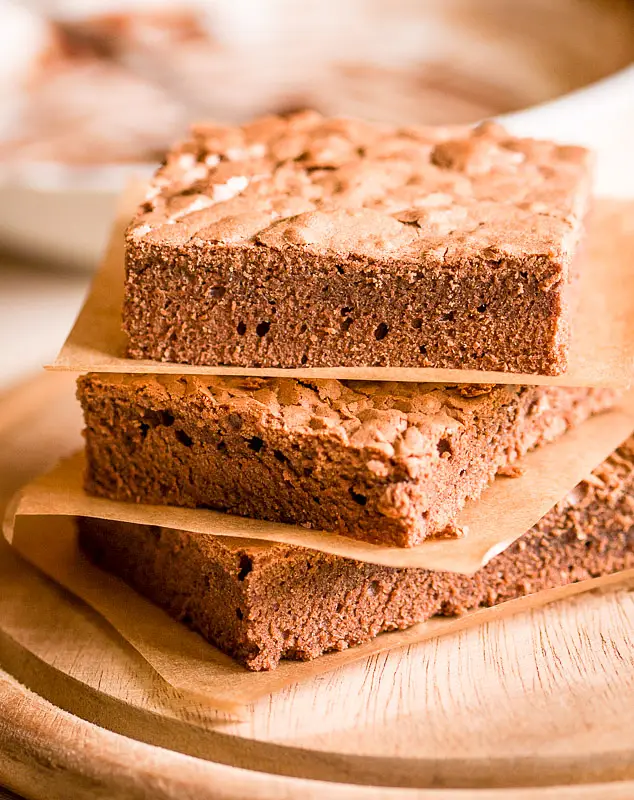
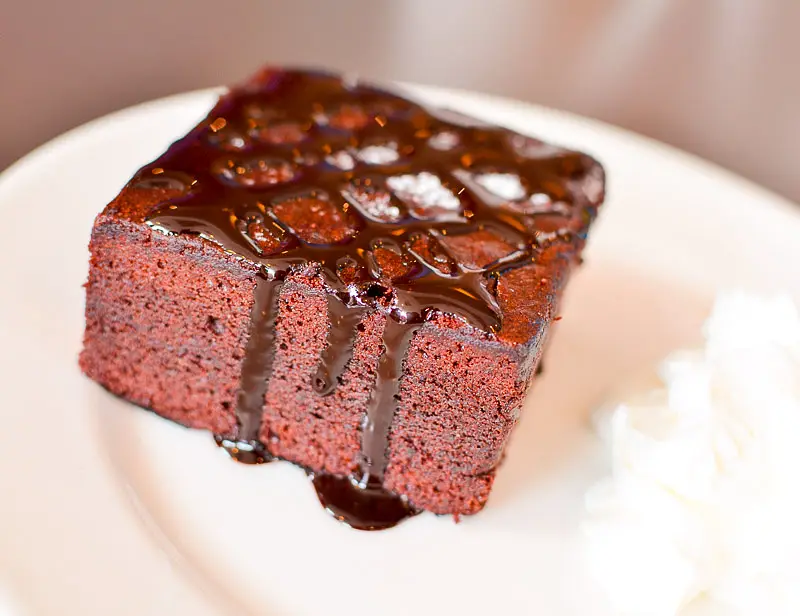
Quickand Easy Fudgey Brownies

Quickand Easy Fudgey Brownies

StarStarStarStarStar

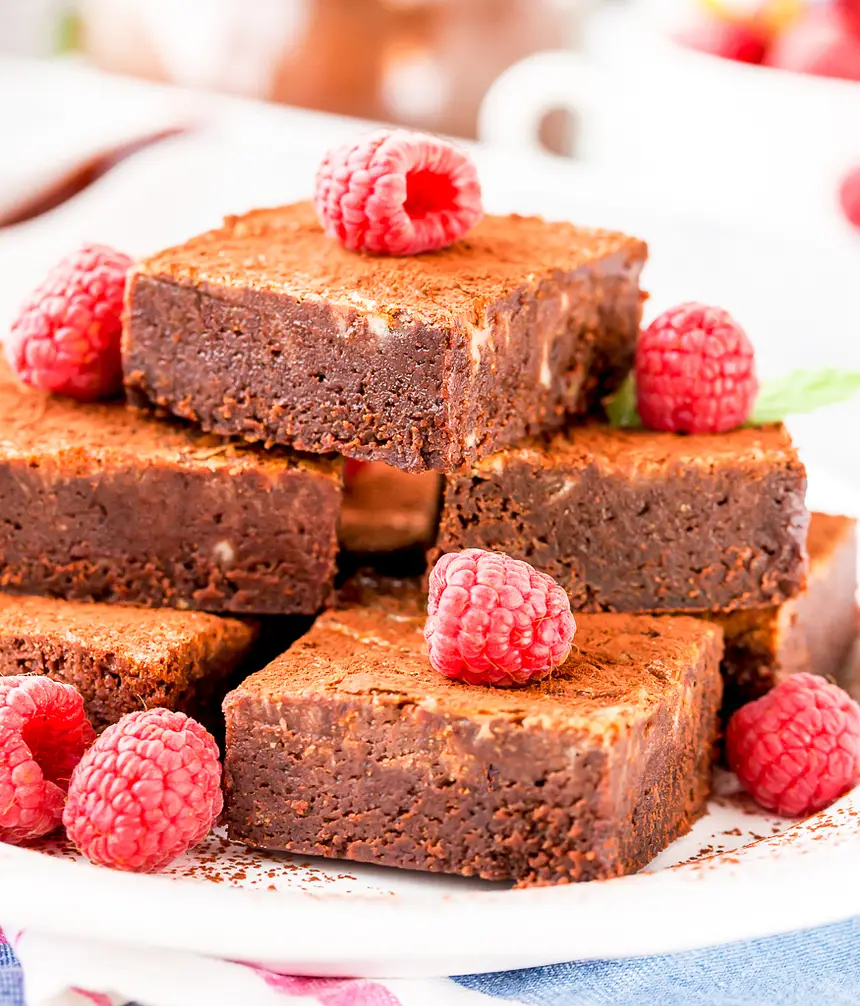
Quick fudgy brownies made with unsweetened chocolate and butter melted in the microwave, with optional marshmallow chocolate frosting. The classic from-scratch fudgy brownie in one bowl.

Fried Leeks with Tarragon

Fried Leeks with Tarragon

StarStarStarStarStar

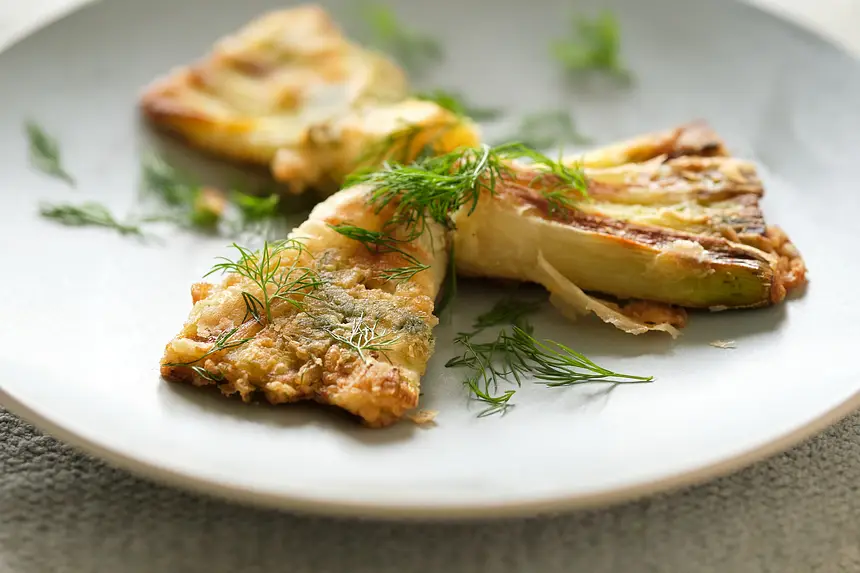
An elegant and sophisticated appetizer that will impress your dinner guests and is ready in just 20 minutes. The leeks are trimmed, steamed, battered, and fried to a beautiful golden brown. The addition of tarragon and parsley adds a subtle yet delicious flavor to the dish. The result is a crispy and flavorful appetizer or side dish that is certain to wow your guests.

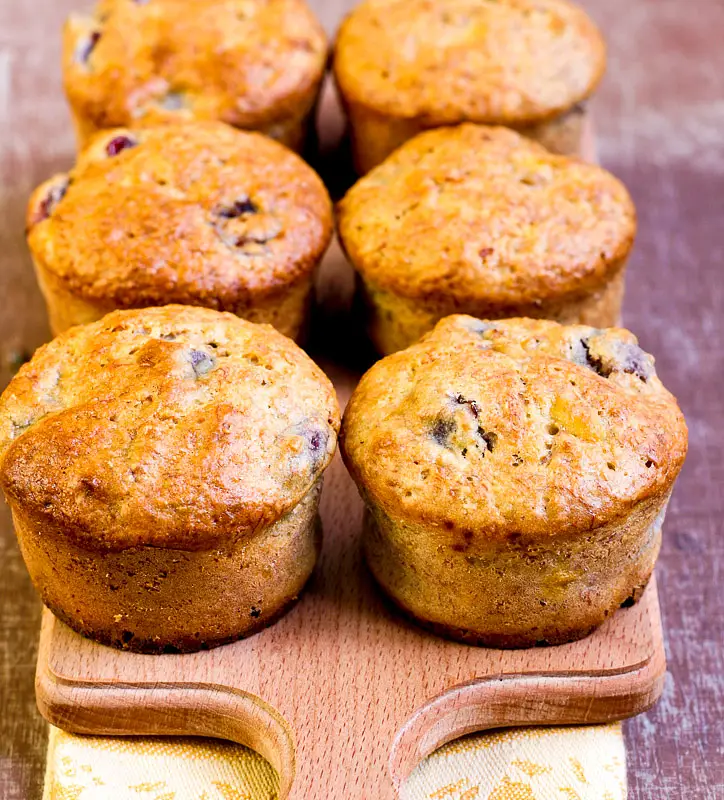
Very P-Nutty Muffins

Very P-Nutty Muffins

StarStarStarStarStar

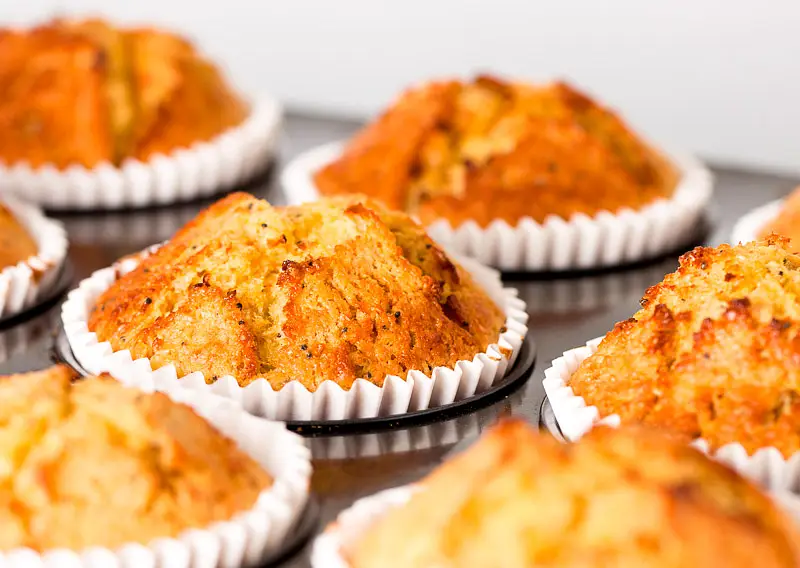
Peanut butter banana muffins with cinnamon, nutmeg, and a swirl of sour cream for extra-tender crumb. Elvis-inspired snack muffins, freezer-friendly, ready in under an hour.

Pumpkin Biscuits (Lacto)

Pumpkin Biscuits (Lacto)

StarStarStarStarStar

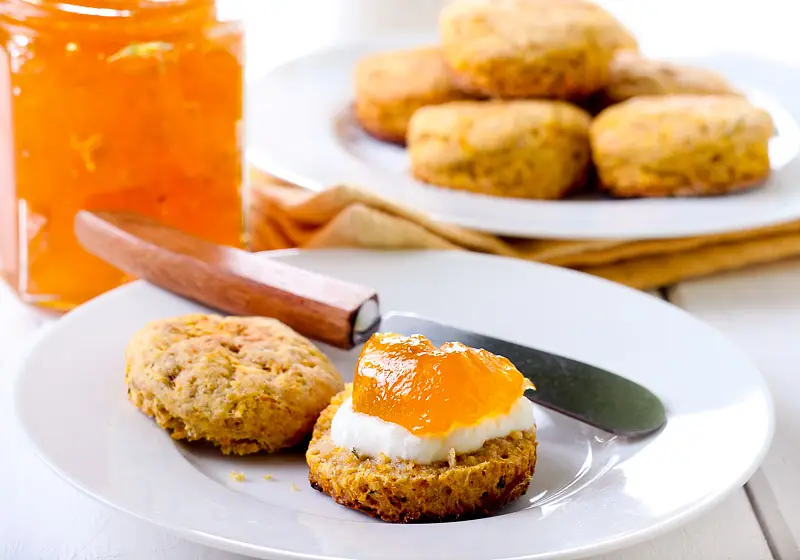
Savory pumpkin biscuits with whole wheat, wheat germ, bran, and a clever clove of garlic to balance the sweetness. Drop biscuits with a spoonbread interior, no butter or eggs needed.

Jello Any-Fruit Cake

Jello Any-Fruit Cake

StarStarStarStarStar

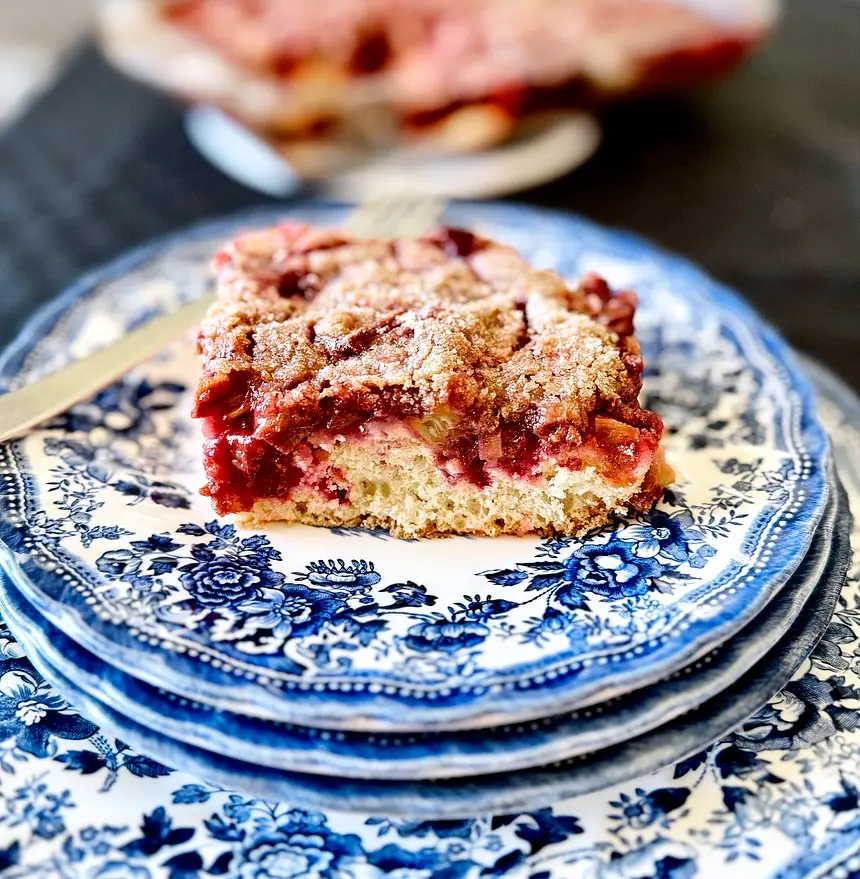
A soft cake bottom, with a fruit filled middle topped with a tantalizing cinnamon topping. Learning how to make Jello fruit cake that use any fruit you have on hand including summery rhubarb with strawberry gelatin.

Easy Christmas Cutout Cookies

Easy Christmas Cutout Cookies

StarStarStarStarStar

These Christmas cutout cookies are so easy for you and your kids to make together, and they taste so yummy too!

Easy Skillet Apple Pancakes

Easy Skillet Apple Pancakes

StarStarStarStarStar

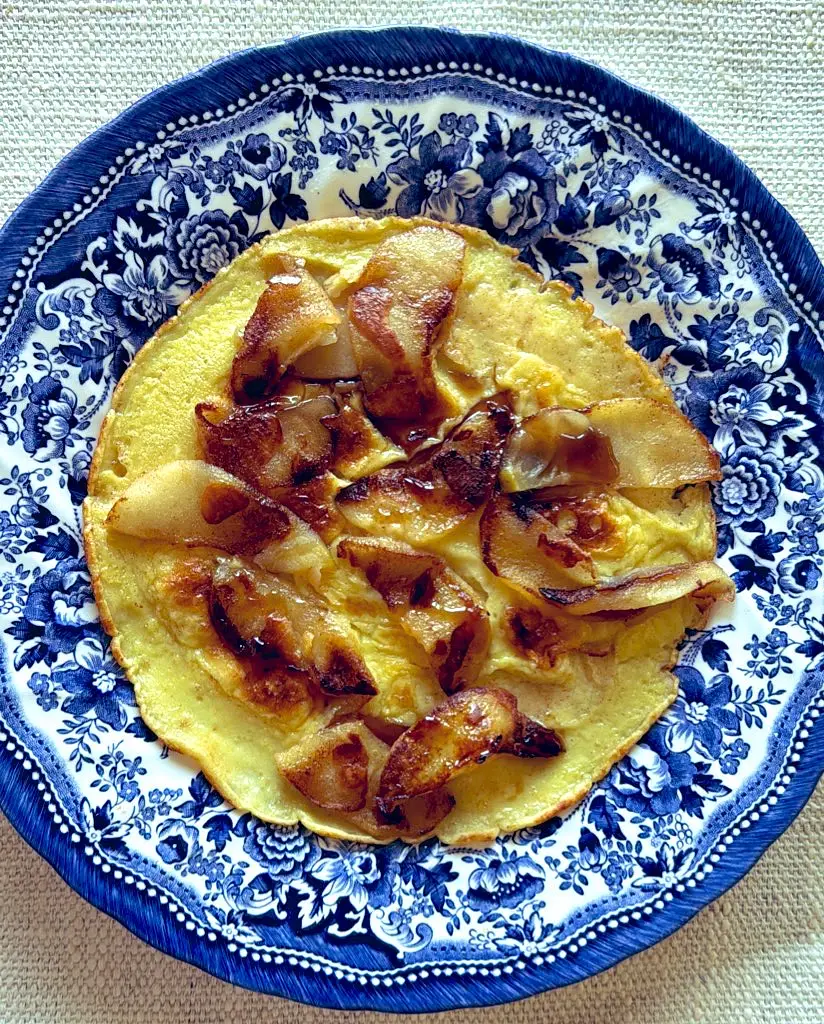
Fluffy skillet pancakes loaded with cinnamon-sugar apples cooked right into the batter. One pan, four gorgeous pancakes, minimal cleanup.

Potato & Scallion Casserole

Potato & Scallion Casserole

StarStarStarStarStar

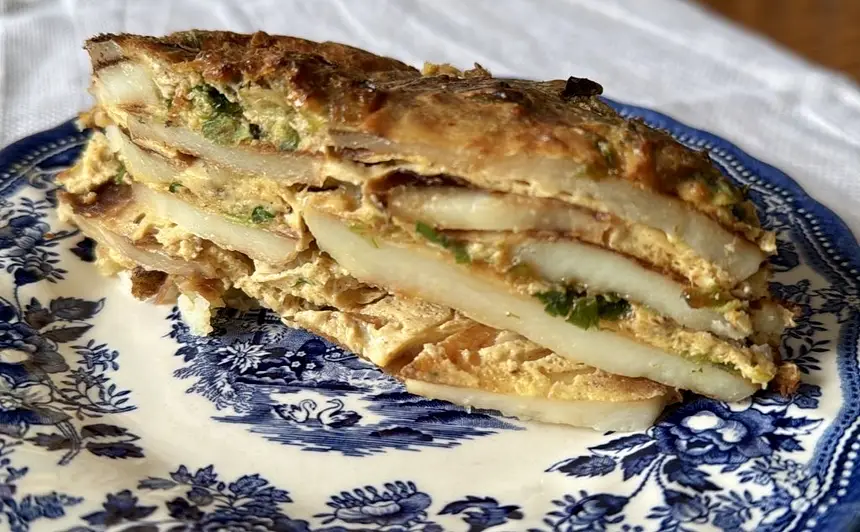
A comforting and savory dish featuring layers of golden-brown potatoes and tender scallions, bound together with a creamy yogurt-egg sauce and baked to perfection. Ideal as a hearty side or a light main course.

Cheese & Corn Chowder

Cheese & Corn Chowder

StarStarStarStarStar

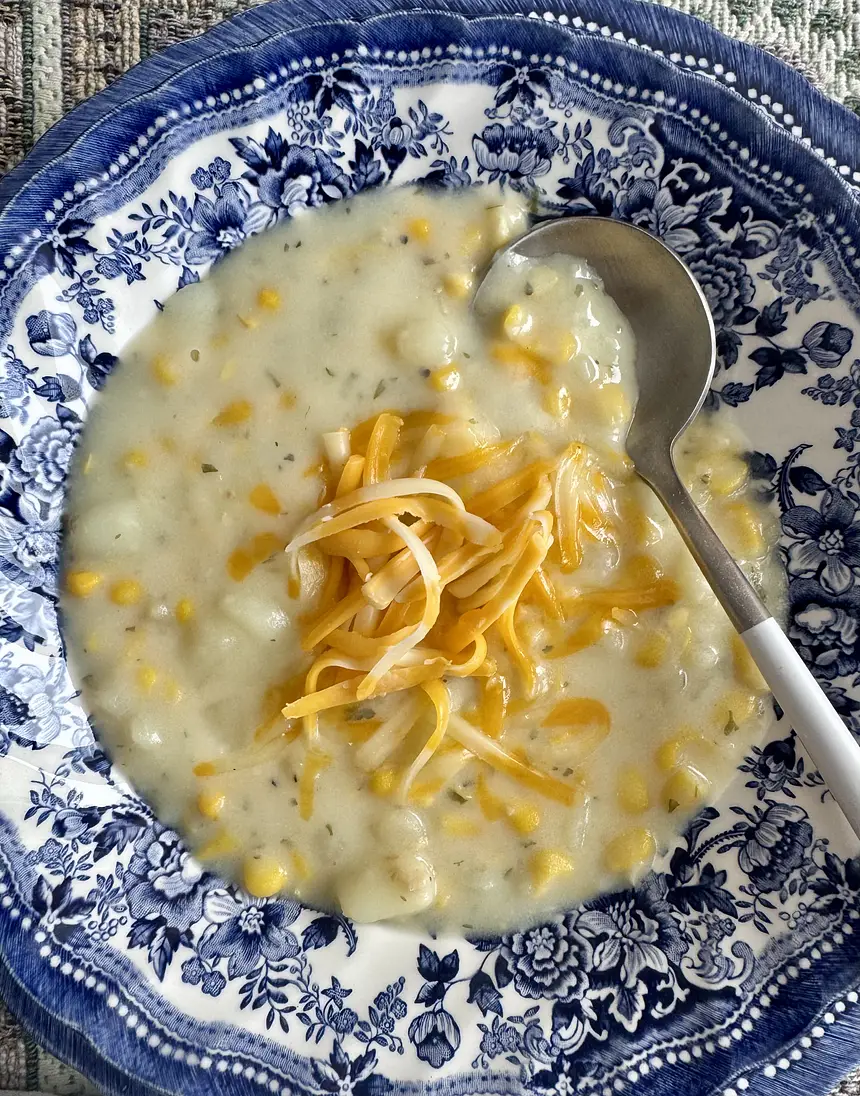
This simple, creamy, comforting chowder combines tender potatoes, sweet corn kernels, and cheese in a lightly spiced milk-based broth. It’s a quick, hearty soup perfect for chilly days, ready in about 30 minutes and serving 4 as a main dish.

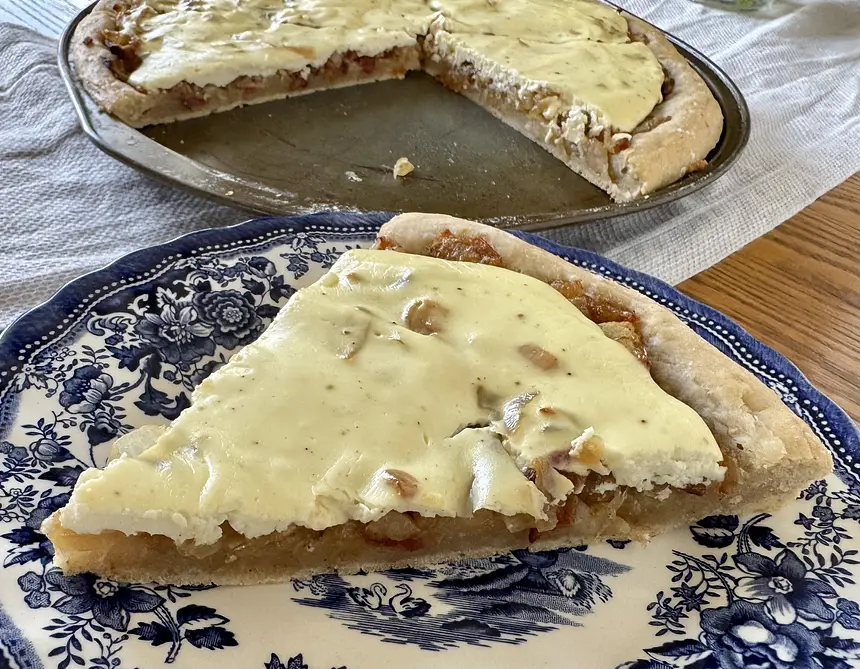
Zwiebelkuchen (Onion Pie)

Zwiebelkuchen (Onion Pie)

StarStarStarStarStar

A savory German onion pie featuring a yeasted crust topped with caramelized onions, crispy bacon, and a creamy sour cream custard. Perfect as an appetizer or main dish, especially during autumn or Oktoberfest celebrations.

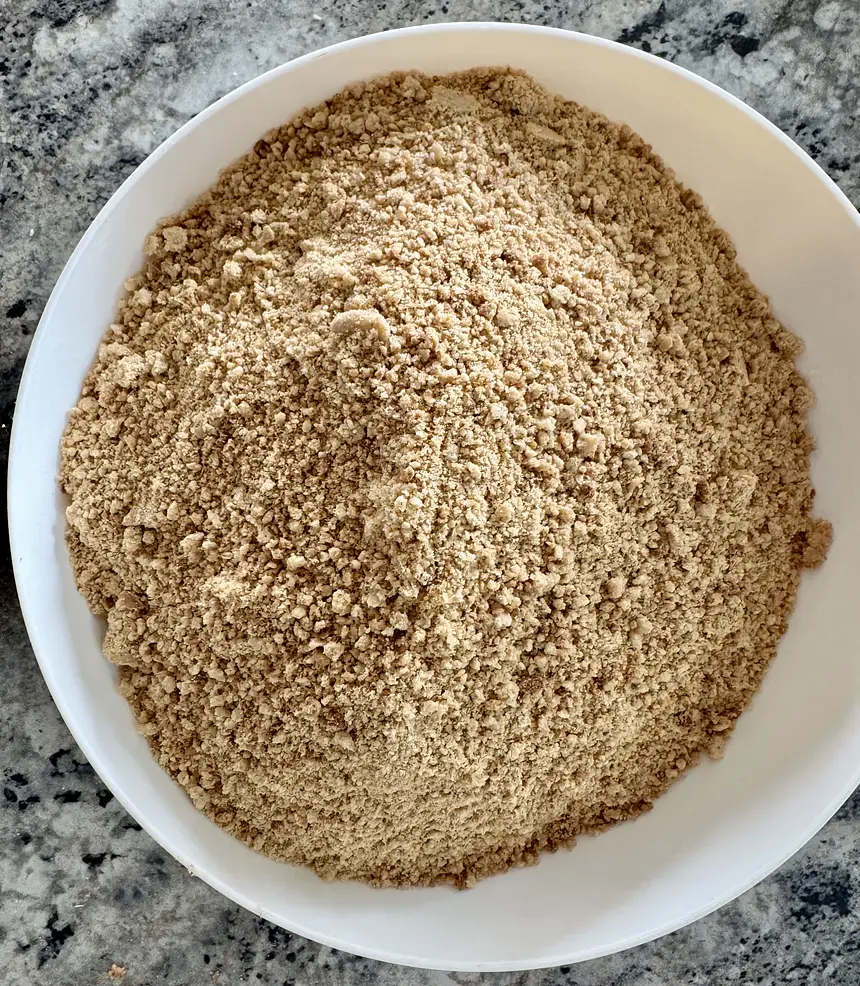
Graham Wafers

Graham Wafers

StarStarStarStarStar

These homemade graham wafers are crisp, lightly sweet, and perfect for snacking, crushing into crumbs for pie crusts, or pairing with spreads. Made with wholesome graham flour and a touch of vanilla, they bake up golden and delicious in just minutes.

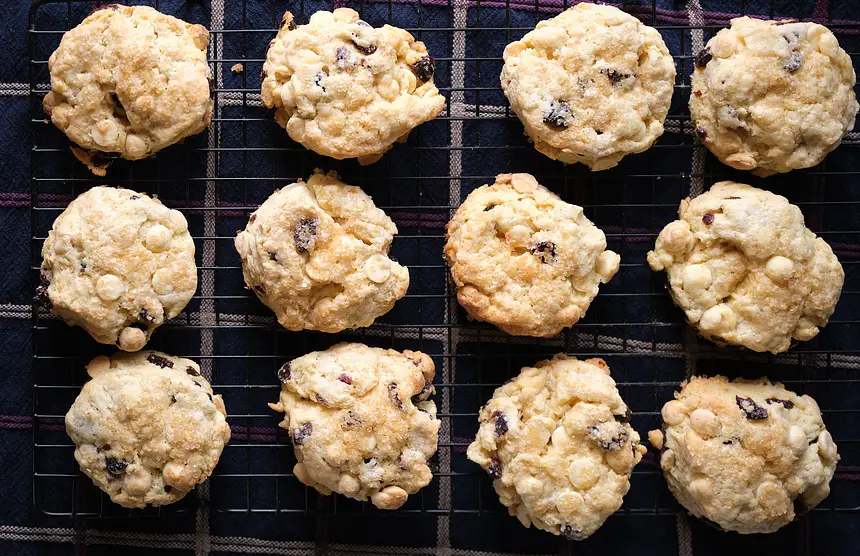
White Chocolate Scones

White Chocolate Scones

StarStarStarStarStar

White chocolate scones with heavy cream, cold butter, and generous chunks of white chocolate that go soft and creamy in the oven. Flaky, layered, and tender from keeping the butter cold.

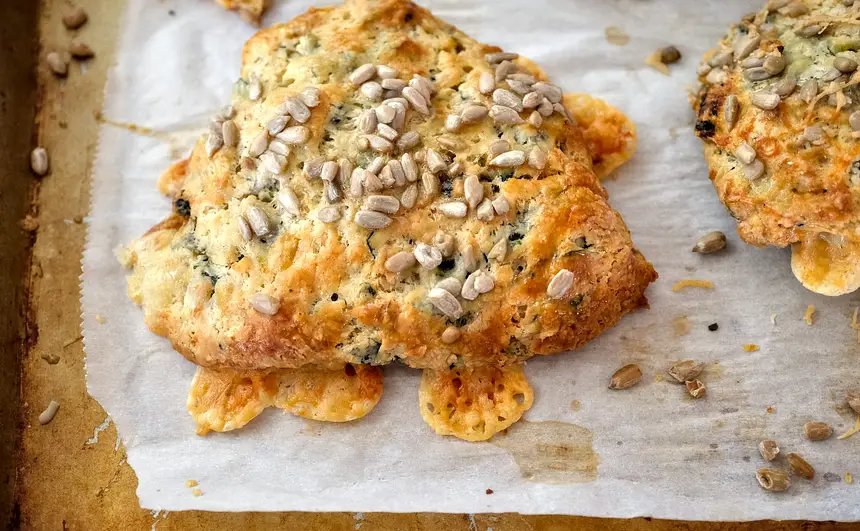
Kale & Two Cheese Scones

Kale & Two Cheese Scones

StarStarStarStarStar

Craving a breakfast treat that's hearty, cheesy, and not overly sweet. These kale and cheese scones are your new best friend. Inspired by the cozy vibes of an American bakery, we've packed them with tender kale, sharp cheddar, nutty Parmessan, and a hint of plump raisins for a subtle sweetness that balances the savory kick. A generous grind of black pepper adds a spicy edge, making these perfect for brunch, snacks, or even alongside soup.

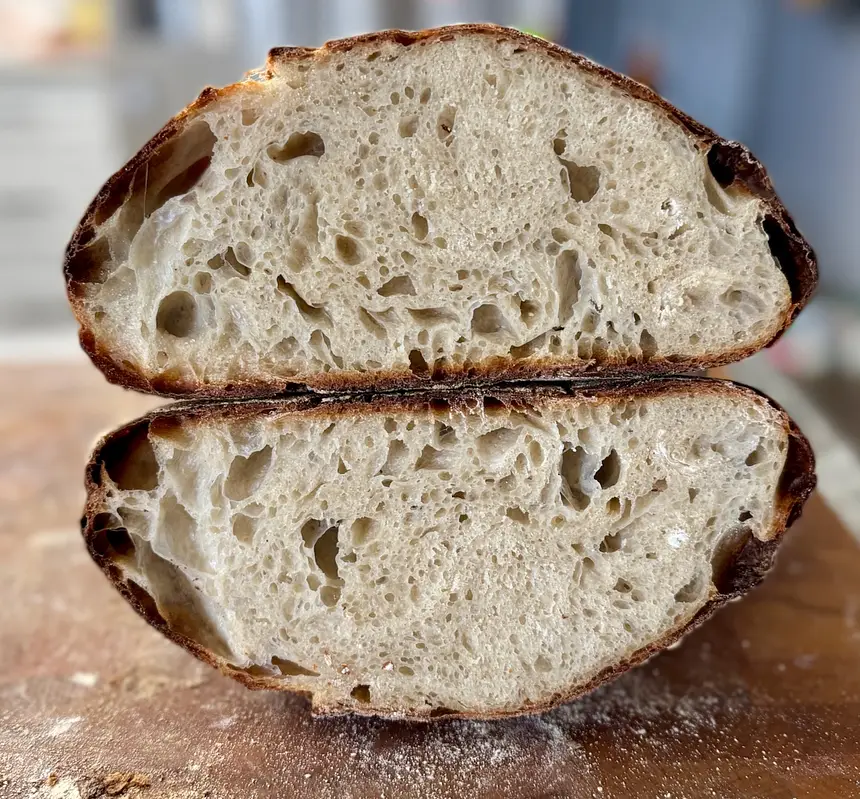
Storing & Restoring Sourdough Starter

Storing & Restoring Sourdough Starter

StarStarStarStarStar

How to store and restore sourdough starter, AKA levain.

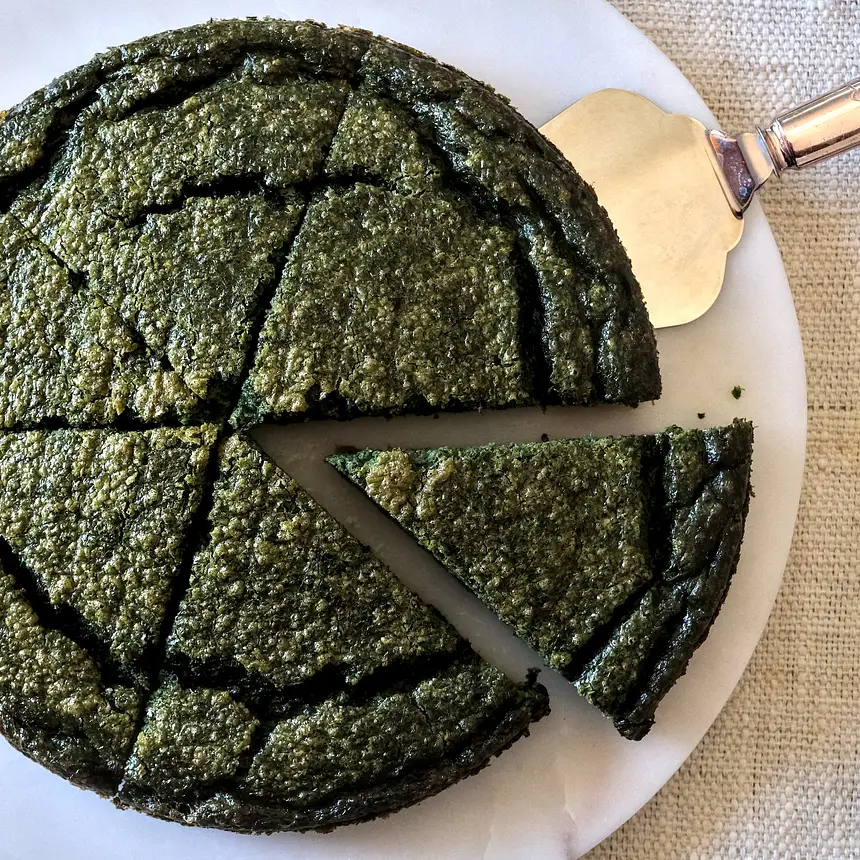
Persian Swiss Chard & Dill Frittata

Persian Swiss Chard & Dill Frittata

StarStarStarStarStar

Get ready to whip up a vibrant, herb-packed dish that’s bursting with flavor and perfect for any meal of the day! This Persian-inspired frittata is a fresh twist on the classic omelet, blending tender Swiss chard, fragrant dill, and zesty scallions into a fluffy, golden masterpiece. Baked to perfection, it’s easy to make and even easier to love. Serve it with warm flatbread, a sprinkle of feta, or a side of crisp veggies for a delightful meal. Let’s dive into this green goodness!

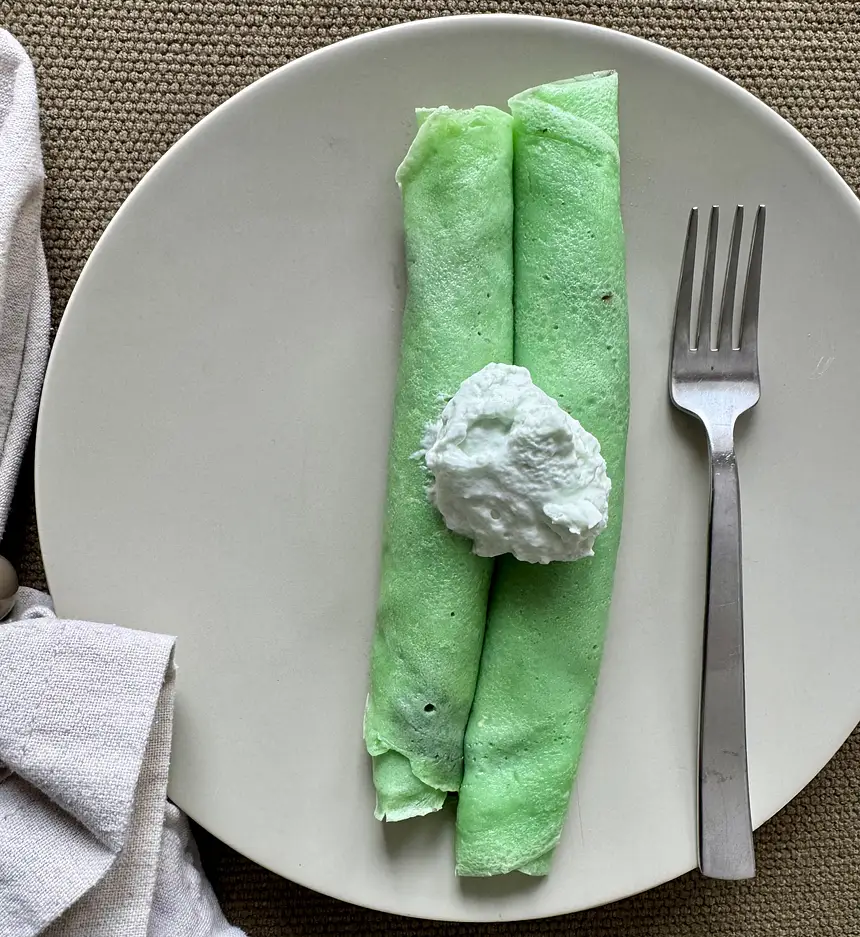
Irish Green Crepes for St. Patrick's Day

Irish Green Crepes for St. Patrick's Day

StarStarStarStarStar

Festive green crepes for St. Patrick's Day celebrations with delicate texture and shamrock color. Fill with sweet or savory for Irish-themed breakfast or dessert.

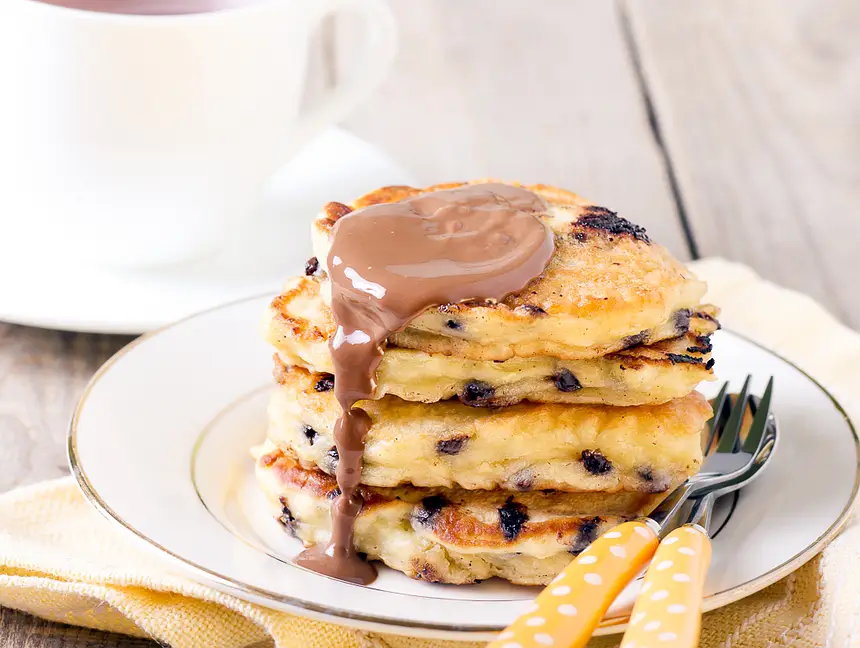
Tom's Favourite Chocolate Chip Pancakes

Tom's Favourite Chocolate Chip Pancakes

StarStarStarStarHalf star

Chocolate chip pancakes from scratch with a hint of cinnamon and vanilla. Fluffy, kid-approved breakfast that hits the table in 30 minutes flat.

Veg Manchurian

Veg Manchurian

StarStarStarStarHalf star

Vegetable Manchurian was a great combo with Egg Fried Rice.We normally make Cauliflower Manchurian as a side dish for Fried Rice.This dish ends up being a clean up dish as you can add all your veggies that you might have left overs and tastes great.

Homemade Fish shaped Appetizer

Homemade Fish shaped Appetizer

StarStarStarStarHalf star

Fish-shaped salmon pastries: buttery shortcrust hand pies cut into fish, filled with smoked salmon, potato, and onion, then decorated with pastry scales and baked golden. A playful, savory party appetizer kids love.

Dairy-Free Whole Wheat Apple Pancakes

Dairy-Free Whole Wheat Apple Pancakes

StarStarStarStarHalf star

A dairy-free and eggless whole-wheat apple pancake.

Stuffed Rava/Sooji idli

Stuffed Rava/Sooji idli

StarStarStarStarHalf star

Here's a delicious, quite filling idli recipe that can be enjoyed as a snack or the main dish. Learn how to make stuffed idli. So here's a colourful idli recipe that's packed with the goodness of vegetables.

Delightful Vegan Brownies

Delightful Vegan Brownies

StarStarStarStarHalf star

Vegan brownies built on the Depression-era wacky cake method: no eggs, no butter, no milk. Vinegar and baking soda do the lifting for a fudgy, chewy chocolate brownie that mixes in one bowl.

Cinnamon Brownies

Cinnamon Brownies

StarStarStarStarHalf star

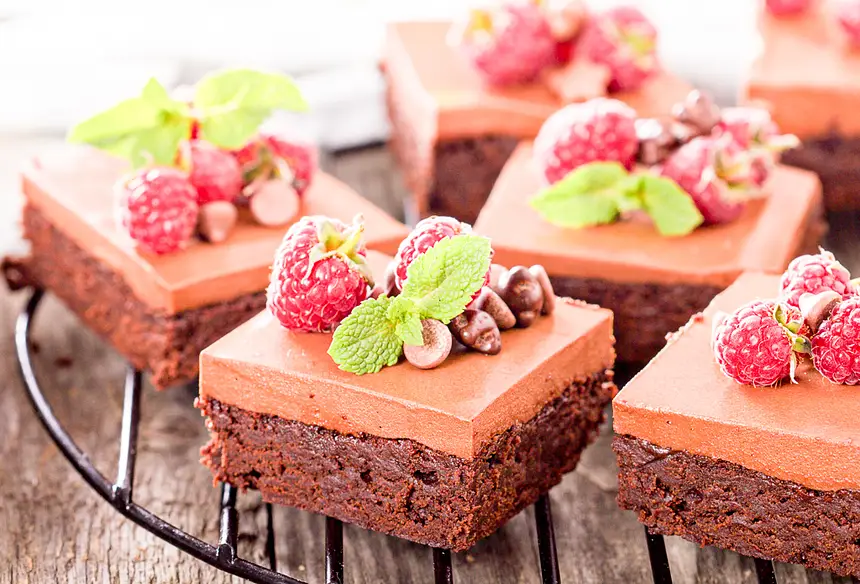
Cinnamon-spiked fudgy brownies with cocoa powder, chocolate chips, and a cinnamon cocoa frosting on top. Mexican chocolate-inspired warm-spiced treat.

Peanut Butter Brownies with Peanut Butter Frosting

Peanut Butter Brownies with Peanut Butter Frosting

StarStarStarStarHalf star

Peanut Butter Brownies with Peanut Butter Frosting recipe

Gobhi Paratha

Gobhi Paratha

StarStarStarStarHalf star

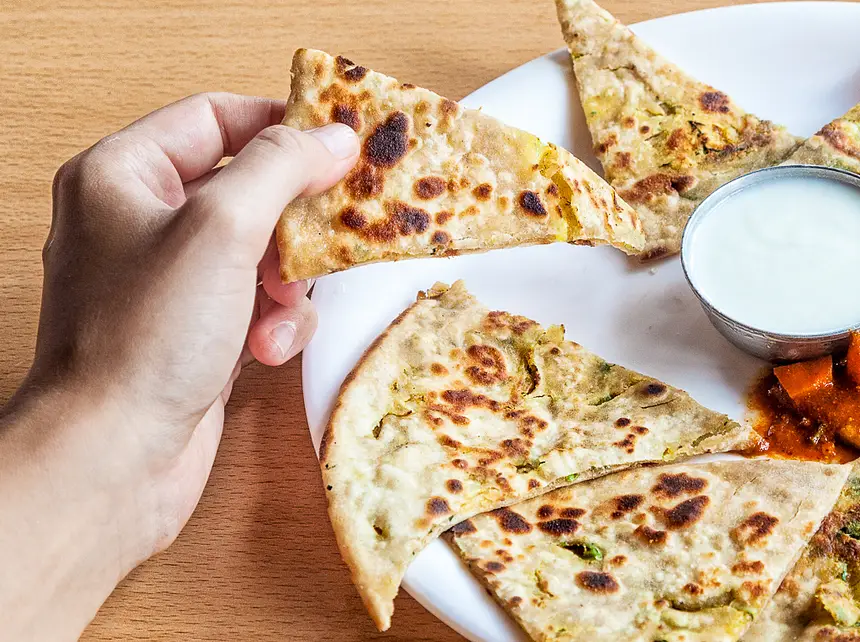
Gobhi Paratha: Indian stuffed cauliflower flatbread made with whole-wheat dough and a spiced filling of cauliflower, cumin, turmeric and green chili. Pan-fried in ghee until golden.

Homemade Birthday Gift for Kids

Homemade Birthday Gift for Kids

StarStarStarStarHalf star

Birthday are always happening year round.There are many items that you can give as gifts.But homemade gift is very special.It is tasty and nutritious gift for a kids party.

Almost Whole Wheat Apple Pancakes

Almost Whole Wheat Apple Pancakes

StarStarStarStarHalf star

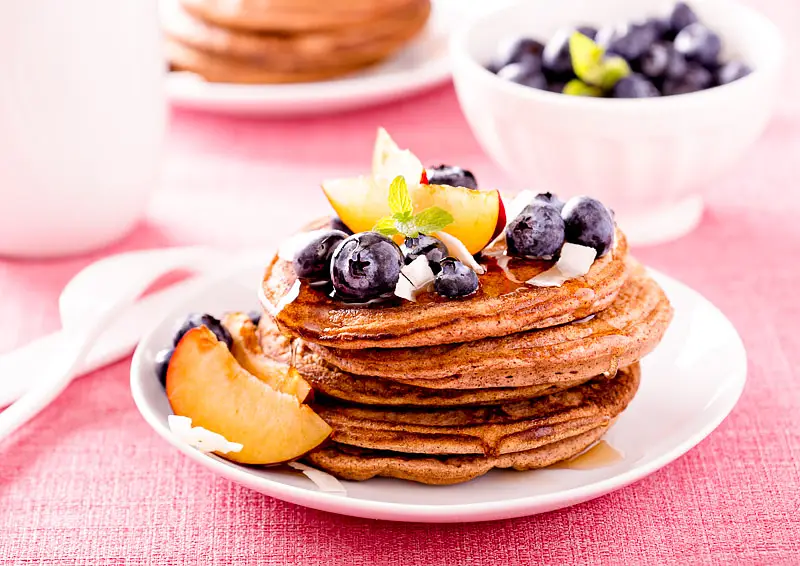
Whole wheat apple pancakes blend half whole-wheat and half white flour with milk, eggs, and grated fresh apples for a hearty, fiber-rich breakfast pancake. Ready in 20 minutes.

Frosted Rich Brownies

Frosted Rich Brownies

StarStarStarStarHalf star

Frosted rich brownies: low-fat brownies built on evaporated and powdered skim milk instead of butter, then crowned with a coffee-spiked cocoa frosting. Deeply chocolate without the heaviness.

Black Olive & Sea Salt Focaccia

Black Olive & Sea Salt Focaccia

StarStarStarStarHalf star

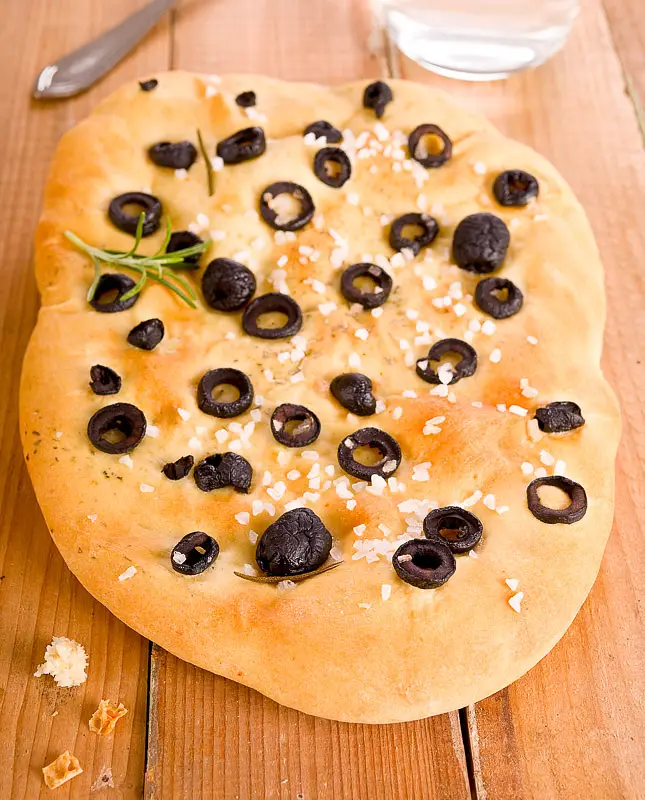
Black olive and sea salt focaccia is a classic Italian flatbread brushed generously with olive oil, scattered with chopped olives, and finished with coarse sea salt for that signature crunch.

Homemade Holiday Appetizer

Homemade Holiday Appetizer

StarStarStarStarEmpty star

Everyone loves appetizers. Try this recipe. Quick and easy.

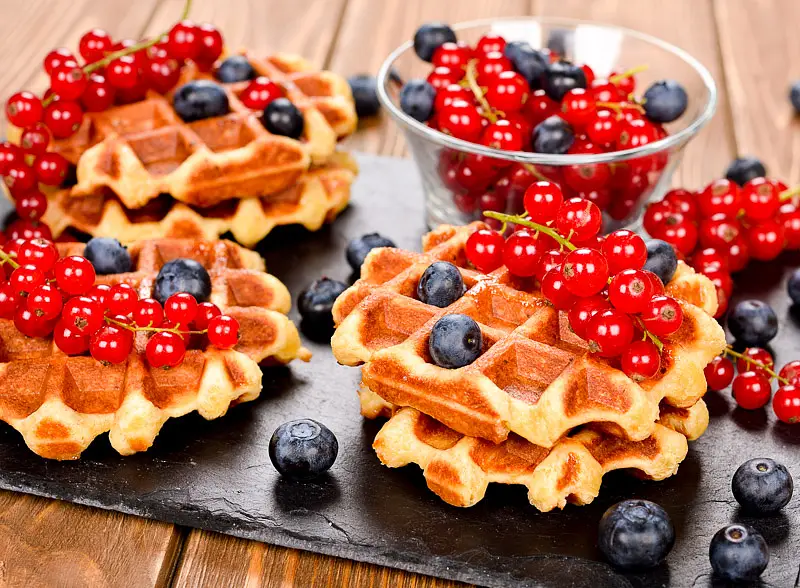
Buttermilk Waffles

Buttermilk Waffles

StarStarStarStarHalf star

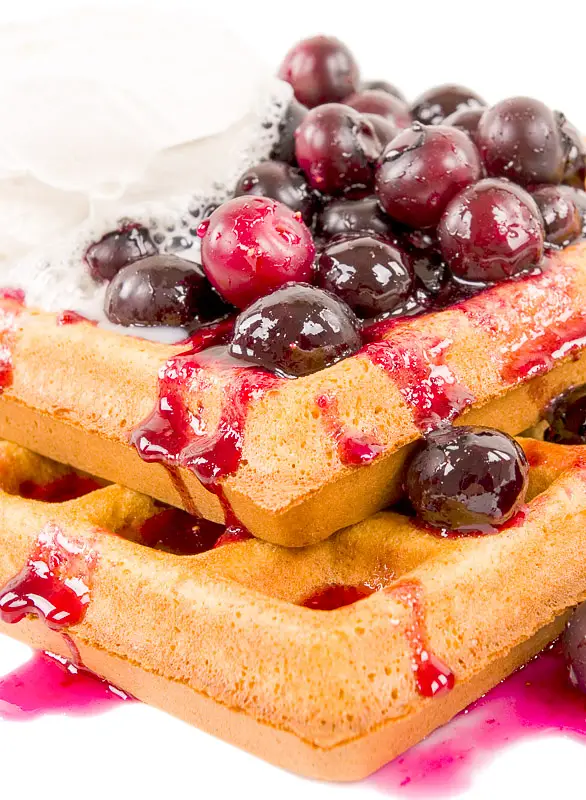
Buttermilk waffles with chopped cashews folded into the batter and a quick fresh blueberry compote spooned over top. Light, crisp, and ready for weekend brunch in under 25 minutes.

Daddy's Creamy Broccoli Soup

Daddy's Creamy Broccoli Soup

StarStarStarStarHalf star

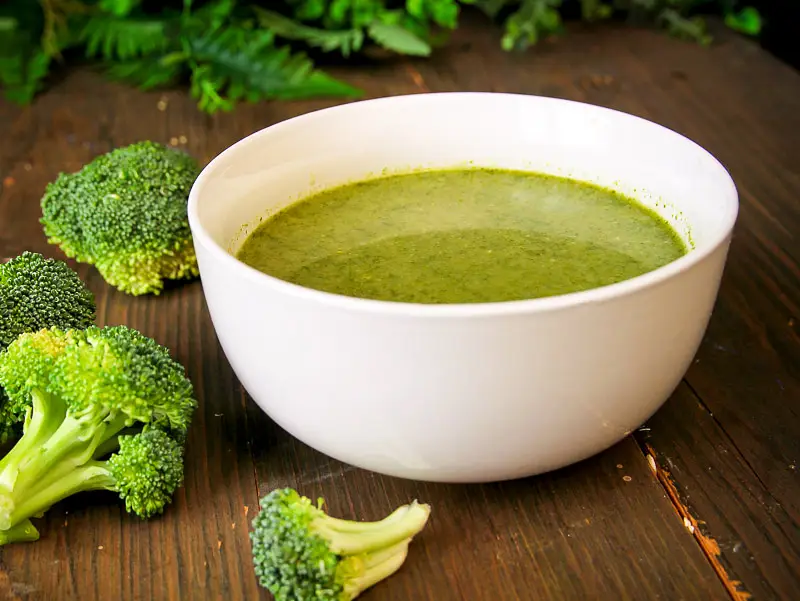
Rich, restaurant-style creamy broccoli soup with tender florets, buttery broth base, half-and-half, and sharp cheddar for stirring in at the table.

Naan #3

Naan #3

StarStarStarStarHalf star

Quick naan skips the yeast in favor of baking powder and soda for a faster, eggy Indian flatbread shaped into teardrops and baked hot. Soft, pliable, ready for any curry.

Dave's Cream of Broccoli Soup

Dave's Cream of Broccoli Soup

StarStarStarStarEmpty star

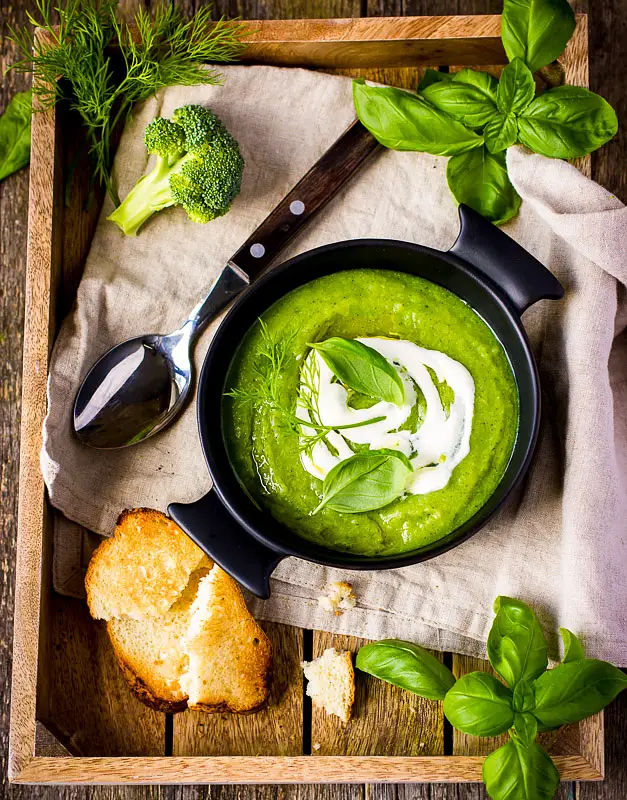
Lighter cream of broccoli soup using skim evaporated milk and sauteed leeks for body, finished with fresh basil and a hint of nutmeg. A leaner take on the diner classic.

Secret Ingredient French Onion Soup

Secret Ingredient French Onion Soup

StarStarStarStarHalf star

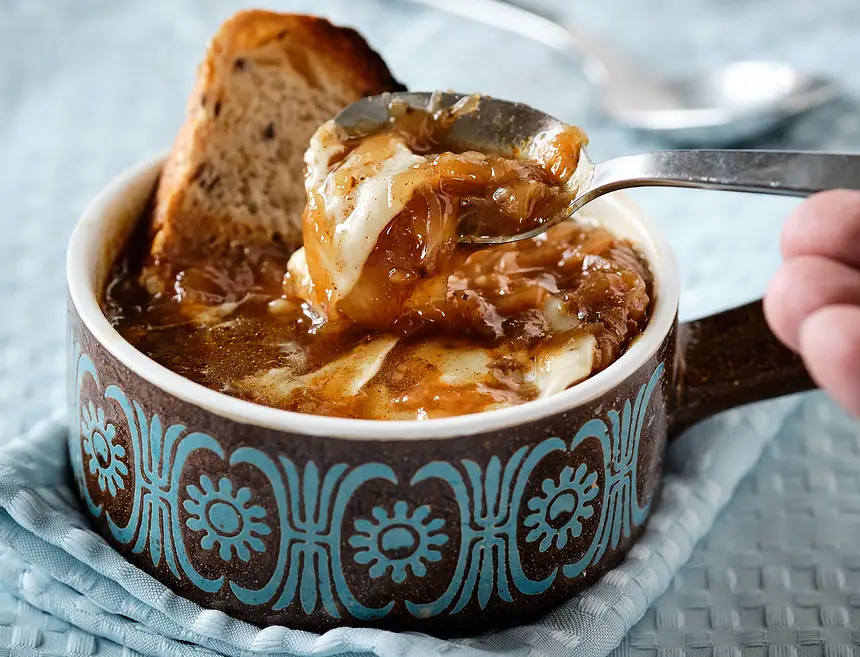
A French onion soup that boasts an abundance of caramelized onions and a deep, rich color achieved with a secret ingredient. This addition enhances the depth of color and adds a subtle backdrop to the soup, perfectly complementing the sweetness of the caramelized onions.

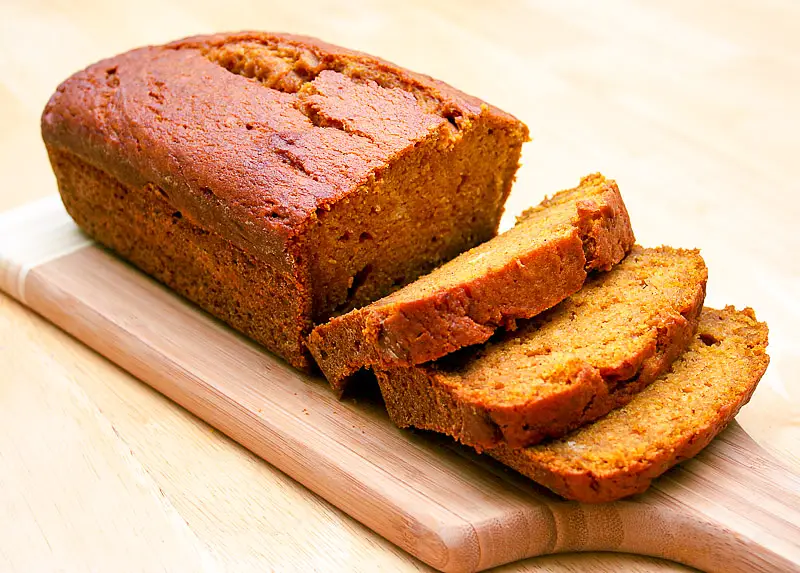
Favorite Spiced Pumpkin Bread

Favorite Spiced Pumpkin Bread

StarStarStarStarEmpty star

Hands-off bread machine pumpkin bread spiced with pumpkin pie spice, yielding a tender yeast loaf with subtle sweetness and warm autumn flavor.

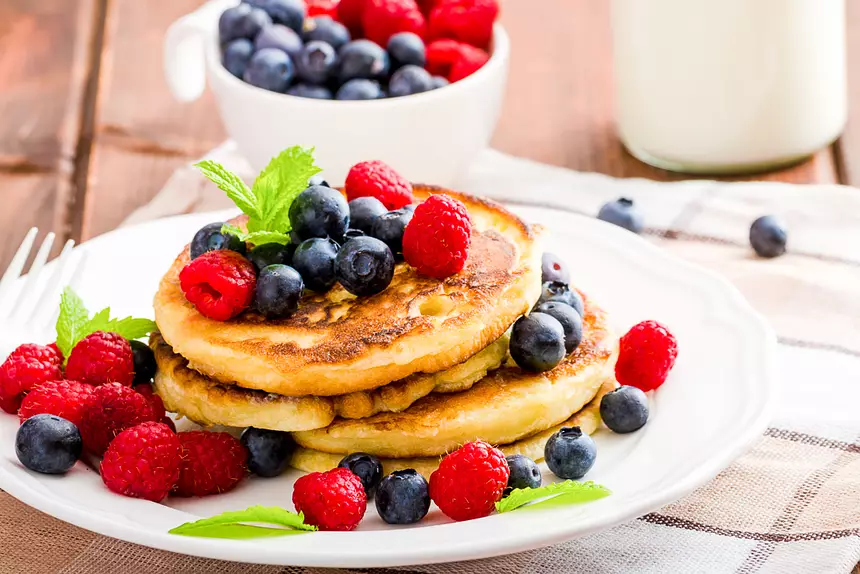
Mom's Pancakes

Mom's Pancakes

StarStarStarStarHalf star

Fluffy homemade pancakes with golden-brown edges and tender centers, ready in just 15 minutes. Simple pantry staples transform into a weekend breakfast tradition kids will request every Saturday morning.

Buttery Blueberry Banana Muffins

Buttery Blueberry Banana Muffins

StarStarStarStarHalf star

Blueberry banana muffins combine ripe mashed bananas, fresh or frozen blueberries, and tangy buttermilk for tender, double-fruit breakfast muffins dusted with powdered sugar.

Buckwheat, Beet & Manchego Salads

Buckwheat, Beet & Manchego Salads

StarStarStarStarHalf star

Buckwheat, Beet and Manchego Salads

Josh's Chocolate Chiperoo Cookies

Josh's Chocolate Chiperoo Cookies

StarStarStarStarHalf star

Chocolate chip cookies made with butter and shortening for soft centers and crisp golden edges. Loaded with semi-sweet chips and chopped nuts. Big-batch classic.

Moist & Minty Brownies

Moist & Minty Brownies

StarStarStarStarHalf star

Moist mint brownies: dense fudgy chocolate brownies made with mint-flavored chocolate chips and topped with crumbled chocolate cookies. Sixteen squares of mint-chocolate cookie heaven.

Heavenly Delicious Brownies

Heavenly Delicious Brownies

StarStarStarStarHalf star

Fudgy chocolate brownies loaded with two kinds of chocolate chips and topped with toasted almonds. The saucepan method melts butter, sugar, and chocolate together for intense cocoa flavor.

Yummy Whole Wheat Waffles

Yummy Whole Wheat Waffles

StarStarStarStarEmpty star

Whole wheat buttermilk waffles with wheat germ for extra nuttiness. Six simple ingredients, crisp outside and tender inside, perfect for fresh fruit and maple syrup.

Very Yummy Brownies

Very Yummy Brownies

StarStarStarStarHalf star

Fudgy chocolate brownies: dense, rich brownies built on six squares of unsweetened baking chocolate and real butter. The bake-sale champion that crackles on top and stays gooey inside.

Chewy Coco brownies

Chewy Coco brownies

StarStarStarStarHalf star

Chewy cocoa brownies made from scratch with a sugar substitute, so they're lower in sugar but still rich, fudgy, and chocolatey. A simple one-bowl brownie built on cocoa powder, no melting.

Dad's Chocolate Nut Brownies

Dad's Chocolate Nut Brownies

StarStarStarStarHalf star

Old-school sugar-free chocolate nut brownies sweetened with liquid artificial sweetener instead of sugar, made with unsweetened chocolate, butter, eggs, and chopped nuts. A low-carb take on a classic brownie.

Uncle's Favorite Blueberry Muffins

Uncle's Favorite Blueberry Muffins

StarStarStarStarHalf star

Blueberry muffins where half the berries get mashed into the batter for purple swirls and double the fruit flavor. Sugar-crusted tops, bakery-style domes.

Old-Style Wheat Biscuits

Old-Style Wheat Biscuits

StarStarStarStarHalf star

Old-style wheat biscuits: tender, fluffy whole-wheat biscuits made with canola oil and a quick buttermilk substitute. A homestyle baked good ready in 30 minutes flat.

Pancakes

Pancakes

StarStarStarStarHalf star

Classic buttermilk-style pancakes with crispy edges and a tender crumb. This foolproof recipe uses the well method for lump-free batter and yields six generous servings of diner-quality breakfast.

Berry Dutch Baby

Berry Dutch Baby

StarStarStarStarHalf star

Puffy, golden berry Dutch baby pancake baked with fresh raspberries, strawberries, and blueberries. This dramatic oven pancake rises sky-high in 25 minutes for a stunning weekend brunch.

All 15,993 recipes

More flour recipes

List of all ingredients