Here's everything worth knowing about noodles and how to pick them, what they are, how to store them, and what to use instead, plus 299 recipes to cook tonight.
Key Points
Noodles are wheat, rice, or egg dough strands; the flour decides texture, chew, and which cuisine they suit.
Salt the water well, pull noodles firm, and undercook two to three minutes for any baked casserole.
Rinse rice and cold-salad noodles to stop clumping; never rinse wheat noodles bound for hot sauce.
Rice noodles are the natural gluten-free swap; egg noodles best carry cream, butter, and gravy.
Dried noodles keep one to two years; cooked noodles keep three to four days tossed with oil.
What are noodles?
Noodles are strands of unleavened dough boiled until tender and served hot or cold. The dough is usually wheat, rice, or egg. The word covers an enormous family of foods, from a tangle of egg ribbons in a casserole to translucent rice strands in a Vietnamese bowl.
What separates noodles from the broader pasta world is mostly cultural shorthand. In practice "noodle" tends to mean a long strand rather than a shape like a shell or tube, and it points toward Asian and Central European cooking as much as Italian.
The flour and the cooking water do the real defining.
Recipeland uses noodles in more than 280 recipes, a fair sign of how often a strand of starch is the easy answer to dinner.
The Main Types
Three broad families cover most of what you will cook. Wheat noodles are flour and water, sometimes with an alkaline salt that makes ramen and lo mein springy and yellow. They hold up in stir-fries and brothy soups.
Egg noodles fold beaten egg into a wheat dough, which gives a richer, more tender strand and a pale gold color. These are the wide ribbons in stroganoff and goulash, and they take cream and butter sauces beautifully.
Rice noodles swap in rice flour, so they are naturally gluten free.
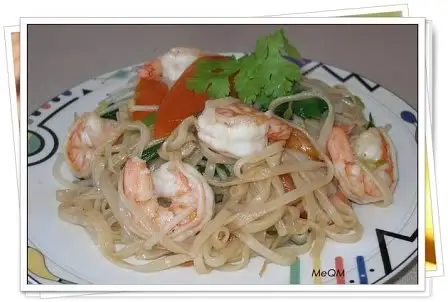
They turn soft and slippery rather than chewy, and they carry the sharp flavors of Southeast Asian cooking in dishes like Drunkard's Noodles.
Cooking and Pairing
Match the noodle to the sauce. A rich, clingy sauce wants a noodle with grip, while a light broth wants a thin strand that slips into the spoon.
Egg noodles are the classic bed for stews and beef dishes like a sour cream pot roast, where they soak up gravy without going to mush.
Salt the cooking water like the sea, about a tablespoon per four quarts. Unsalted water gives you bland noodles that no sauce fixes later.
The most common mistake is overcooking. Noodles keep softening from their own retained heat after you drain them, and again when they hit a hot sauce, so pull them a touch firm.
Rinsing is the other fork in the road. Rinse rice noodles and any noodle headed for a cold salad to wash off surface starch and stop clumping. Never rinse a wheat noodle bound for hot sauce, because that starch is what helps the sauce cling.
Swaps Between Types
Within a family, swaps are easy. Any long wheat noodle stands in for another, and egg noodles of different widths trade freely.
Crossing families changes the dish. Rice noodles for wheat noodles works in a stir-fry but shifts the texture toward slippery and the flavor toward neutral, so the sauce has to carry more. Spaghetti or linguine can replace egg noodles in a pinch, though you lose the tenderness the egg brings.
For a gluten-free table, rice noodles are the obvious answer.
Spiralized zucchini or spaghetti squash mimics the look of a noodle but behaves nothing like one, shedding water and staying crisp, so treat it as its own thing.
Buying and Storing
Dried noodles keep for a year or two in a sealed container, well away from damp. Buy egg noodles by width to suit the dish: fine for soups, wide for casseroles and stroganoff.
For rice noodles, the package thickness matters more than the brand, since vermicelli and wide rice sticks behave very differently.
Fresh noodles, sold refrigerated, taste better but last only a few days. Freeze them if you will not use them in that window; they cook straight from frozen with a minute or two added.
Cooked noodles keep three or four days in the fridge.
They firm up and stick together as they cool, so toss leftovers with a little oil. Revive them with a quick dip in hot water or a splash of broth rather than a long reheat that turns them to paste.
Day-old noodles are a feature, not a flaw, in a Chinese pasta salad that wants a firmer bite.
Types of noodles
Specific kinds of noodles and the recipes that use them.
Egg noodles are wheat noodles enriched with egg, which sets them apart from plain pasta. That egg, often several yolks per pound of flour, makes the strand more tender, gives it a pale gold color, and lets it drink up rich sauces the way semolina pasta never quite does.
Most American boxes are wide, curly ribbons sold dry. In Germany and across Eastern Europe they are a daily starch.
U.S. labeling rules require at least 5.5 percent egg solids by weight before a product can be called an egg noodle.
Chow mein noodles are thin Chinese wheat noodles, and the name covers two very different products that often get confused on the shelf. Fresh or dried chow mein noodles are soft yellow strands of wheat flour and water, usually enriched with egg, meant to be boiled briefly then pan-fried.
The crunchy canned kind labeled "chow mein noodles" is a separate thing: short noodles deep-fried until crisp, used as a topping or in no-bake cookies.
Getting the right one matters, because they are not interchangeable. The soft noodle goes into a stir-fried noodle dish. The fried crisp version belongs on a salad or in candy clusters.
Rice noodles are made from rice flour and water, with a little tapioca or cornstarch sometimes added for chew and clarity. They are naturally gluten-free and come in every width, from hair-thin rice vermicelli to the broad, flat sticks used for pad thai and pho.
Their flavor is mild and clean, which is why they soak up the punchy sauces of Thai, Vietnamese, and southern Chinese cooking so well. They are the noodle behind some of the most popular dishes in Southeast Asian food.
Soba are thin Japanese noodles made from buckwheat flour, which gives them an earthy, nutty flavor and a grayish-brown color you will not find in wheat pasta. Most soba blends in some wheat flour for strength, but the buckwheat is what defines the taste.
They cook fast and are eaten as often cold as hot. That flexibility, plus the distinct buckwheat flavor, is what sets soba apart from the paler Asian noodles.
Ramen noodles are thin, springy wheat noodles built around one ingredient that gives them their bite: kansui, an alkaline mineral water. That alkalinity is what turns ramen yellow and gives it a slippery, chewy texture rather than the softness of plain pasta.
Most people meet ramen as the dried instant block with a seasoning packet, cooked in 3 minutes. But the same noodle also comes fresh, frozen, and dried without any seasoning, and those are what a real bowl of ramen is built on.
Rice vermicelli are thin, brittle white noodles pressed from rice flour and water, sold dried in tight bundles or nests. In Chinese cooking they go by mai fun or mei fun; in Vietnam they are bun, and across Southeast Asia they anchor soups, salads, and fresh rolls.
They cook fast and cook gently. Unlike wheat pasta, you rarely boil them hard, and most brands need only a soak, which keeps them springy instead of gummy.
Naturally gluten-free, they carry whatever sauce or broth you give them.
Bean thread noodles are thin, wiry strands made from mung bean starch and water. Dry, they look like stiff white wire; soaked, they turn slippery and glassy clear, which is why they are also sold as cellophane or glass noodles.
They have almost no flavor of their own. What they bring is texture: a bouncy spring and a knack for soaking up broth like a sponge.
Because they are made from bean starch rather than wheat, they are naturally gluten-free.
"Oriental noodles" is a catch-all label rather than one specific noodle. When a recipe calls for it, it usually means whatever quick-cooking Asian noodle suits the dish, most often a thin wheat or egg noodle, sometimes ramen, occasionally a rice noodle.
Because the term is so loose, the right move is to read the dish and pick. A stir-fry wants a springy wheat or egg noodle; a brothy soup wants something that stays tender; a cold salad wants a noodle that holds up after rinsing.
Cellophane noodles are thin, dry, almost colorless strands made from mung bean starch and water. They are also sold as glass noodles or bean threads, and the names all point to the same thing: a noodle that turns clear and glossy once cooked.
They have almost no flavor of their own. That is the whole point.
Cellophane noodles soak up whatever broth or sauce they sit in, then turn slippery and springy with a clean bite that rice noodles do not have.
Udon are thick, chewy Japanese wheat noodles, the fattest of the common Asian noodles. Made from nothing more than wheat flour and salted water, they have a soft, bouncy bite and a neutral flavor that soaks up whatever broth or sauce they sit in.
They are usually round or square in cross-section and noticeably wider than spaghetti. That heft is the point: udon is a noodle you feel.
Bean threads are thin, dry, translucent noodles made from mung bean starch and water. Dry, they look like stiff white wire and snap like it; soaked or cooked, they turn slippery and clear as glass.
That clarity is why they're also called glass noodles, cellophane noodles, or by their Chinese name, fun see.
They have almost no flavor of their own. That's the point. Bean threads are a sponge for whatever they're cooked in, soaking up broth, soy, sesame, and chili so the seasoning carries the dish.
Mungbean noodles are thin, dry strands made from mung bean starch and water. Soaked in hot water they turn slippery and clear, which is why they go by glass noodles, cellophane noodles, and bean threads.
They have almost no flavor of their own. What they do is soak up whatever they are cooked in, holding sauce and dressing along every springy, slightly chewy strand, so a good mungbean-noodle dish lives or dies on its seasoning.
Do not confuse them with rice vermicelli. Rice noodles cook up soft and opaque white; mung bean threads stay translucent and bouncy, with a far more elastic bite.
Lo mein noodles are soft Chinese wheat noodles, usually made with egg, the kind that get boiled and then tossed with sauce rather than fried crisp. The name "lo mein" means "tossed noodles," and that tells you exactly how they are meant to be used.
They are the same family of fresh yellow egg noodle used for chow mein. The difference is the cooking method, not the noodle itself.
Kluski are Polish egg noodles: short, thick, slightly irregular strips made from wheat flour and a high proportion of egg.
The word covers a family of Polish dumplings and noodles, but on a North American grocery shelf "kluski noodles" means the dried, stubby egg noodle, sold by brands like Mrs. Weiss and others.
They are heavier and chewier than ribbon egg noodles, with a soft, dumpling-like bite that holds up in rich, brothy dishes.
Made from wheat and egg, kluski are not gluten-free.
Whole wheat noodles are noodles made from whole-grain wheat, with the bran and germ left in rather than milled out. The term covers both Western flat egg-style noodles and Asian-style wheat noodles, the common thread being the whole grain rather than refined white flour.
That whole grain gives a tan color, a nuttier flavor, and a firmer, chewier bite, along with the extra fiber that is the usual reason for choosing them.
Think of them as a heartier stand-in wherever a recipe calls for plain noodles. They behave much the same in the pot; the grain just brings more flavor and a sturdier chew.
Corn noodles are pasta made from corn flour or cornmeal instead of wheat, sometimes blended with rice flour to improve the texture.
They are a staple of the gluten-free aisle: golden-yellow, with the faint sweet smell of corn, and cooked they land somewhere between wheat pasta and polenta, tender with a slightly grainy edge and a mild corn flavor that wheat noodles do not have.
The appeal is simple. They give gluten-avoiders a familiar pasta shape, in spaghetti, penne, elbows, and fusilli, without wheat.
Green noodles are pasta colored and lightly flavored with vegetable puree worked into the dough, almost always spinach. The Italian name is pasta verde.
The most familiar form is spinach fettuccine, or the green layers in lasagne verde. The color is the point, but the spinach also adds a faint earthy note.
A common surprise is how little the spinach flavors the dough. The leaf is there mostly for color and a whisper of green; in a finished dish under sauce you taste pasta first, spinach second. Other greens like nettle or chard show up occasionally, but spinach is the default.
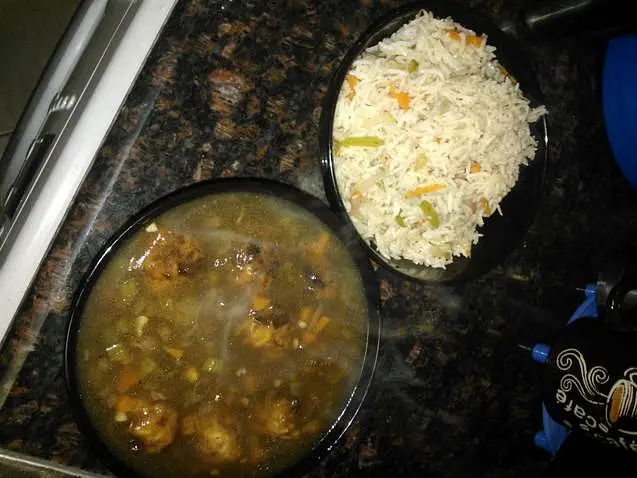
Vegetable Manchurian was a great combo with Egg Fried Rice.We normally make Cauliflower Manchurian as a side dish for Fried Rice.This dish ends up being a clean up dish as you can add all your veggies that you might have left overs and tastes great.
This is a Chinese-style soup popular in Indian Chinese cuisine due to its ease of preparation and hot spicy taste. The soup uses a spicies that adds lot of flavor to the soup.
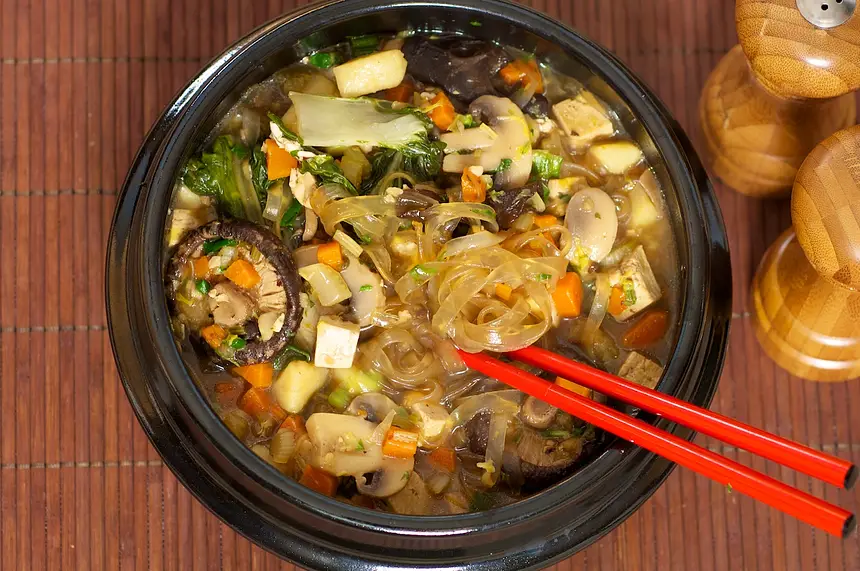
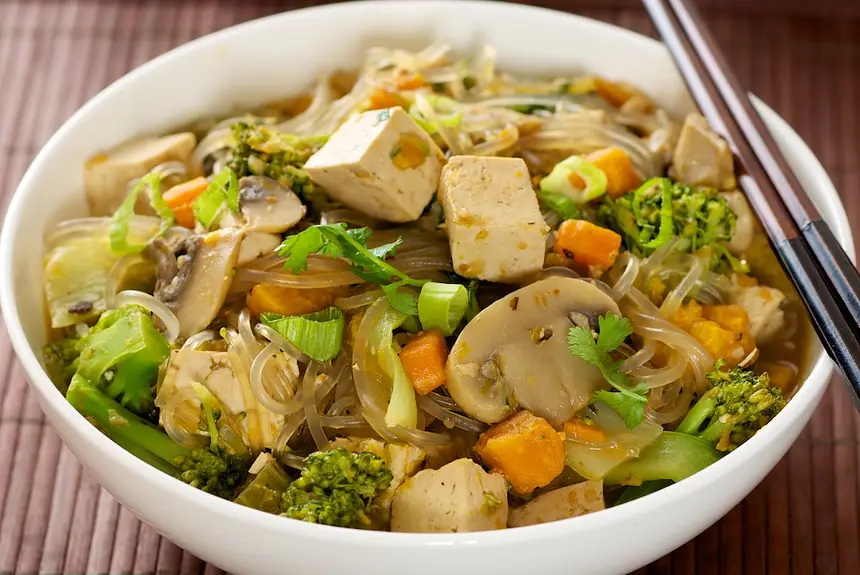
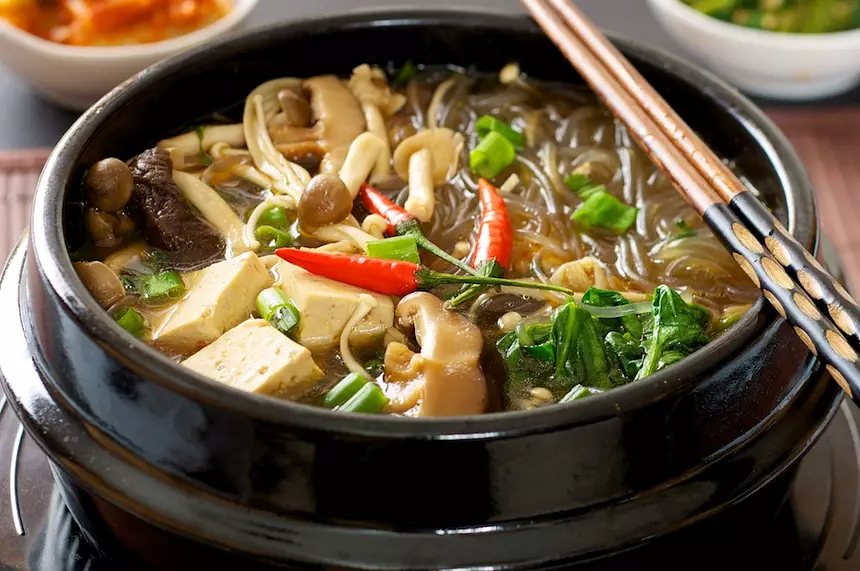
Shiitake mushrooms, a few different vegetables, garlic-black bean sauce, and glass noodles make this soup packed with great flavors and nutrients. Enjoy it with a refreshing and light salad aside.
Asian-style baked noodle casserole layered with stir-fried vegetables, creamy white sauce, and a golden breadcrumb crust. A fusion comfort dish that transforms simple ingredients into something special.
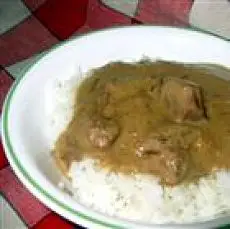
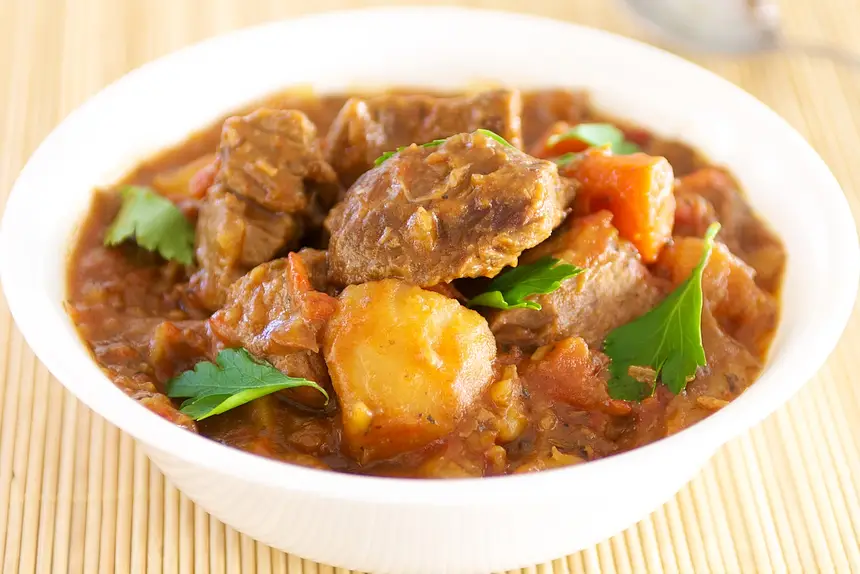
Beef and noodles the easy way: stew beef and canned soups dumped in the slow cooker, cooked low until fork-tender, then ladled over hot egg noodles. Barely any prep, no browning.
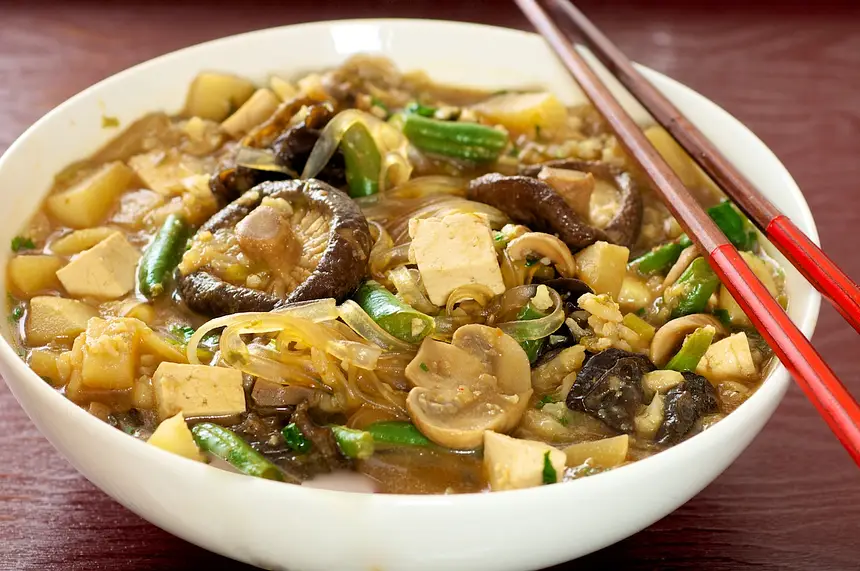
Shiitake mushrooms, tofu and potatoes are like sponge that soak all the great flavor from the miso stew. Green beans add bright color and nice crisp, and the glass noodles give a bit chewiness and some healthy calories that are good for you.
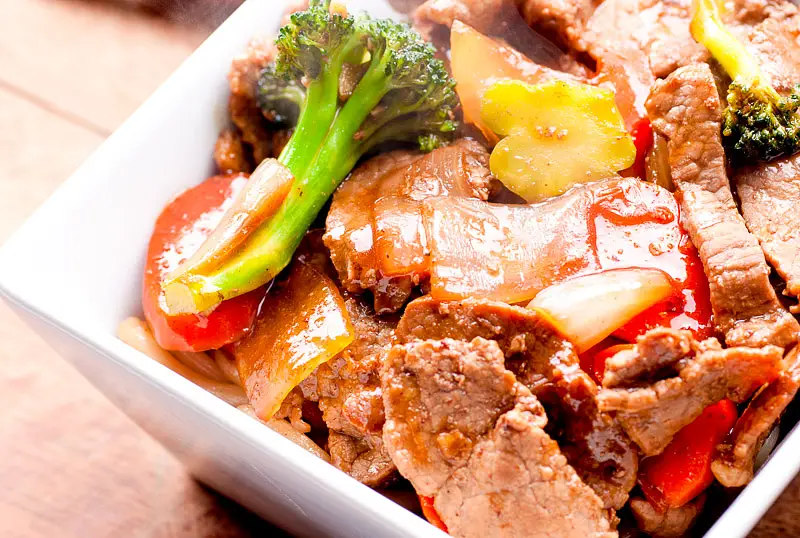
Beef and broccoli stir-fry with sirloin strips, broccoli, carrots, and onions in a light soy sauce, served over Asian noodles. Weeknight Chinese takeout at home in 35 minutes.
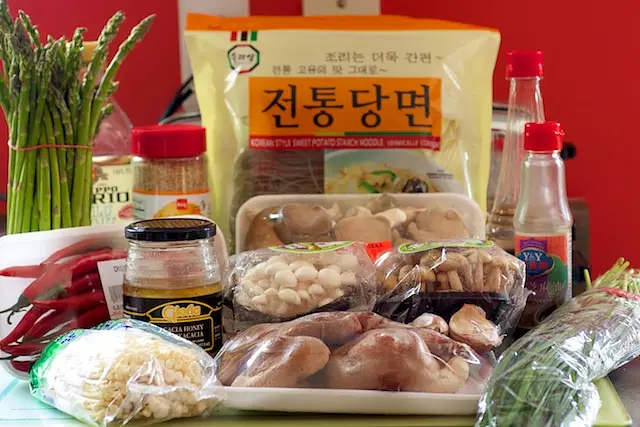
This classic Korean dish can be found at almost any Korean restaurant, it's easy to make, and it's flavorful. Assorted mushrooms, Asian chives or green onions and freshly seasonal asparagus create this absolutely delicious dish.
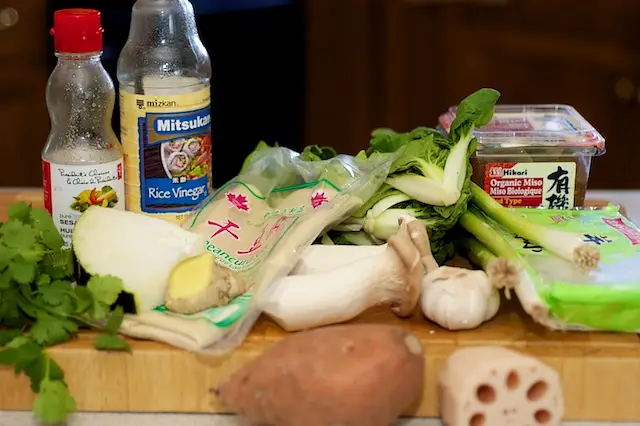
Love miso, the fermented flavor gives the dish incredibly delicious taste. I developed this recipe, and use miso and water as the base, add fresh Asian vegetables, and let boil for a few minutes. I always have the soup with some Korean Kimichi. Here the recipe is.
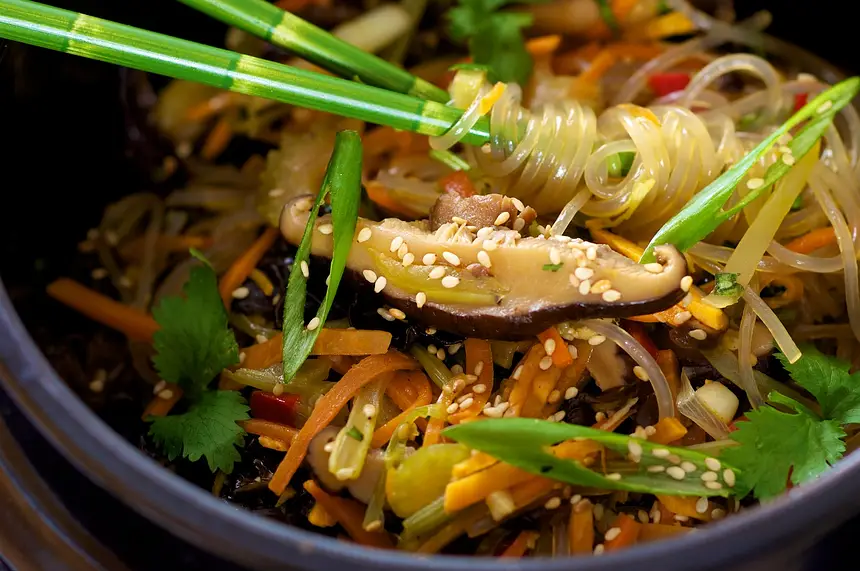
Look for sweet potato noodles in Asian or Korean grocery stories, or use soba noodles or even spaghetti works too. The dish is super easy to prepare, and it tastes delicious. If you are a big fan on Asian flavor, such as sesame oil, sesame seeds, and soy sauce, etc, you will not be able to resist this mouth-watering Japchae.
This recipe was absolutely divine. The Korean spicy-sweet sauce was the key, which gave the dish an authentic Korean taste. Assorted mushrooms and vegetables added layers of great textures. The combination was just delicious!
Very quick and easy to put together, and it came out so creamy and delicious. A well balanced meal on flavor, texture and nutrient. Perfect for a busy week-day dinner.
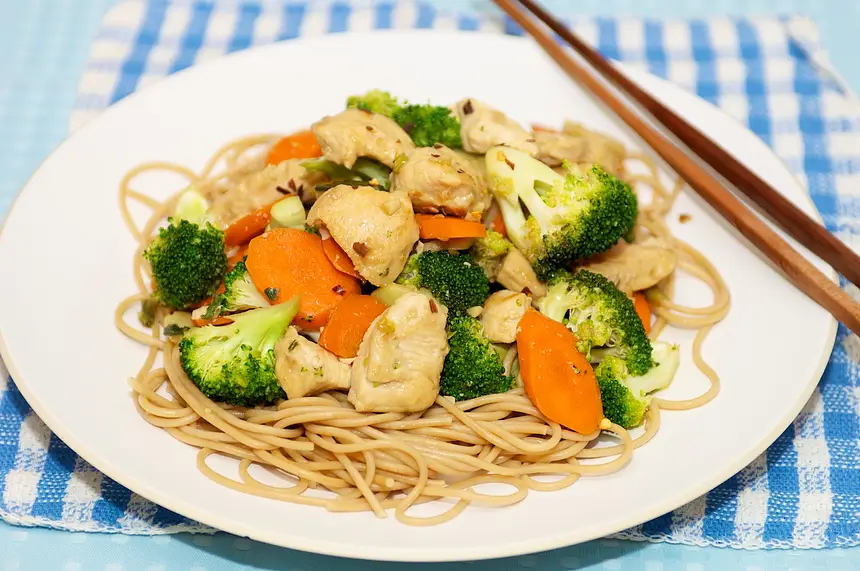
A quick, easy yet tasty Chinese stir fry, chunks of marinated chickens are cooked with broccoli and carrots, then tossed with yummy sauce. Serve it over a bed of noodles or rice to complete the meal.
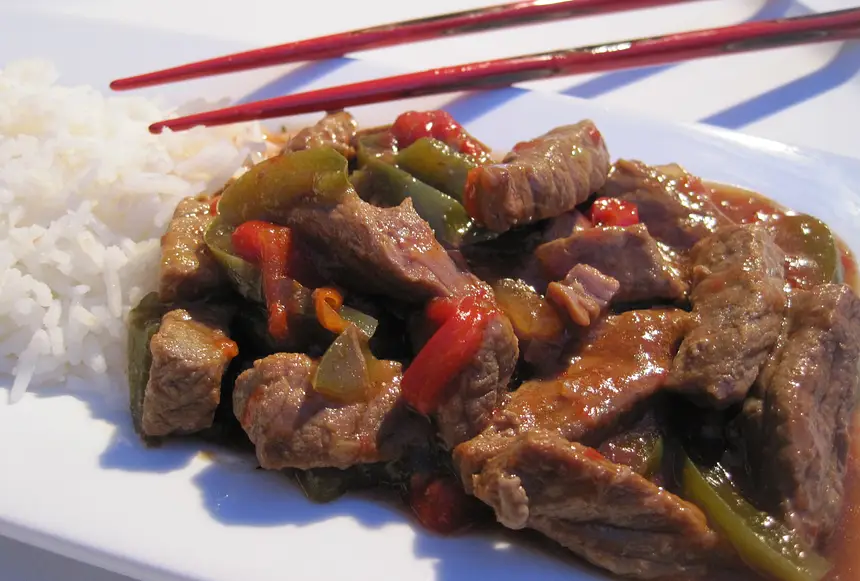
I changed it up a bit by using both a red and green pepper and a can of stewed tomatoes. I cooked on low for a full 8 hours which made the meat extremely tender.
I had this yummy and warm hot-pot with some homemade kimchee and a Korean style spinach salad. Real comfort food! Highly recommend this dish to everyone who likes Korean food.
Golden chicken and noodles made in the slow cooker with broccoli cheese soup, milk, and basil. A creamy, hands-off comfort dinner that cooks all day while you're away.
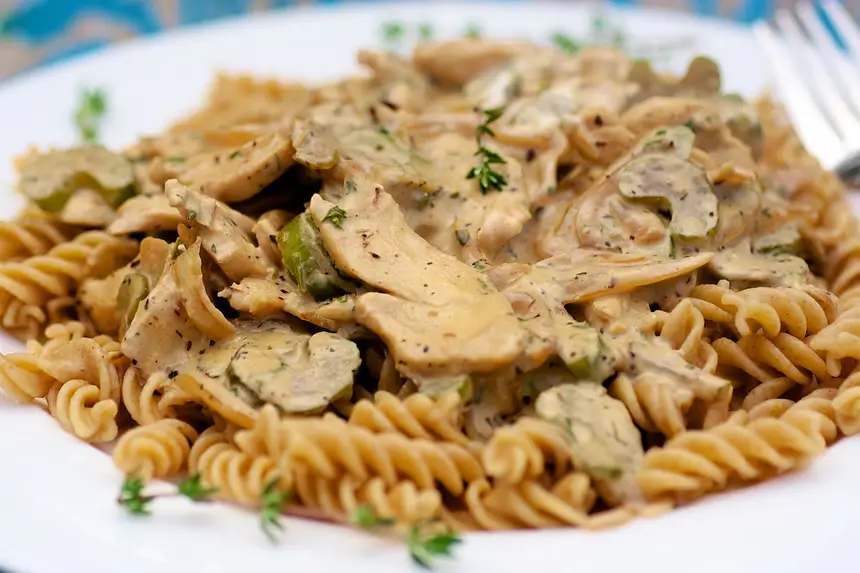
Tbilisi-style beef and mushroom stroganoff seasoned with a Georgian spice mix of black, white, and red pepper, dry mustard, and allspice. Tender beef in a sour cream sauce over flat noodles.
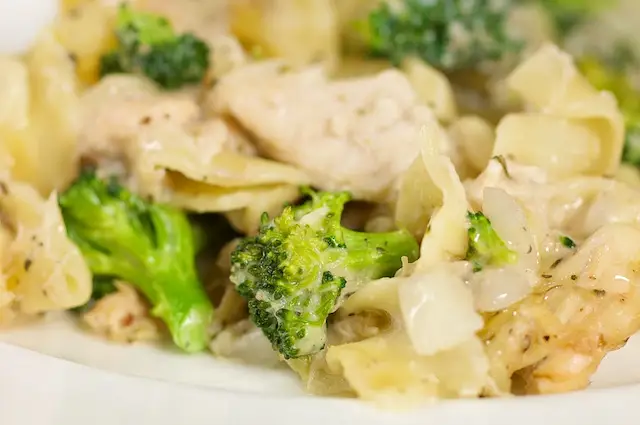
A delightful, easy-to-make dish that combines tender chicken, hearty noodles, and vibrant broccoli in a creamy, flavorful sauce. This kid-friendly casserole is a perfect meal for any night of the week.
Mexican-style fried eggs over toasted noodles with a spiced tomato-chile sauce and sliced avocado arranged in a sunburst pattern. A striking, flavorful brunch dish ready in 35 minutes.
Pan-seared chicken breasts in a creamy Dijon mustard sauce served over noodles with mixed vegetables. A comforting one-skillet weeknight dinner ready in under an hour.
Ramen noodles upgraded with cubed chicken, broccoli florets, and cream of mushroom soup for a 30-minute pantry dinner. Cheap, filling, and way better than the packet alone.
Mexican lasagna layers seasoned ground beef, refried beans, salsa, and a Monterey Jack-cheddar blend between lasagna noodles, finished with a sour cream and olive topping. Big-batch, freezer-friendly weeknight dinner.
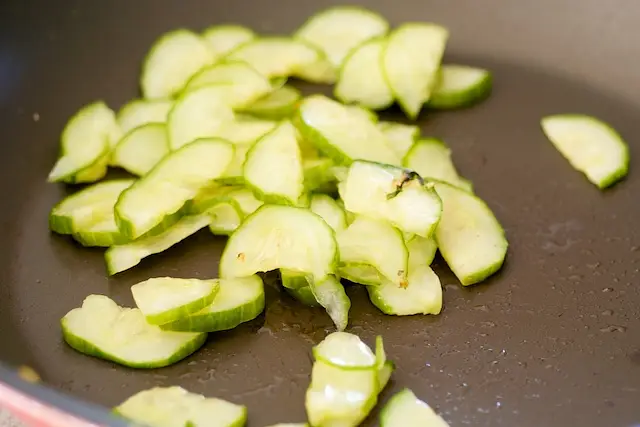
Chinese noodles in a savory-sweet pork sauce of hoisin, hot bean paste and ginger, topped with cool, crisp cucumber, black sesame and cilantro. A hearty, fried-sauce noodle bowl.
Curried chicken noodle stir-fry with fresh ginger, garlic, bean sprouts, soy sauce, and dried red chili. A 30-minute wok dinner that turns leftover chicken into something crave-worthy.
Grilled tofu marinated in orange juice and soy sauce, pressed until firm, then charred on the grill. Three ingredients, vegetarian, and full of smoky-citrus flavor.
Swedish-spiced meatballs with allspice, nutmeg, and ginger, rolled in cornmeal and browned in bacon fat, then simmered in a savory pan gravy and served over buttered noodles. A hearty Scandinavian-inspired weeknight dinner.
Layers of tofu ricotta, herb-sautéed zucchini, golden mushrooms, and spinach stacked between artichoke lasagna noodles in a rich spaghetti sauce. A hearty vegan lasagna for 8 that's loaded with vegetables and bakes up bubbling and gorgeous.
Freezer-friendly chicken and noodle casserole in a red wine tomato-mushroom sauce with basil and garlic. Make it ahead, freeze in individual portions, and reheat on busy nights. Serves 4 to 6.
Slow cooker vegetable stroganoff with mushrooms, broccoli, and carrots in a creamy yogurt-sour cream sauce over egg noodles. Set it and forget it for 4 hours.
Creamy chicken tetrazzini baked with cheddar cheese, mushrooms, and bell peppers over buttery noodles. A classic comfort food casserole ready in 45 minutes.
Italian-American lasagne with layers of seasoned ground beef, ricotta-egg filling, mozzarella, and sliced hard-boiled eggs. A family recipe with a from-scratch tomato-basil meat sauce.
Slow cooker vegetable stroganoff combines mushrooms, broccoli, carrots, and onions in tomato-stock sauce, finished with yogurt and sour cream over noodles. Vegetarian comfort food without the beef.
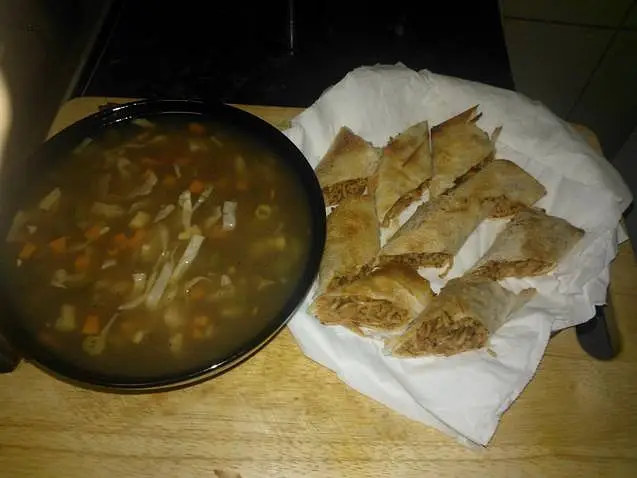
A light, golden soup with sweet corn, ribbon noodles, and celery simmered in vegetable stock with a warm hit of turmeric. Just 20 minutes from pot to bowl. Vegetarian and low calorie.
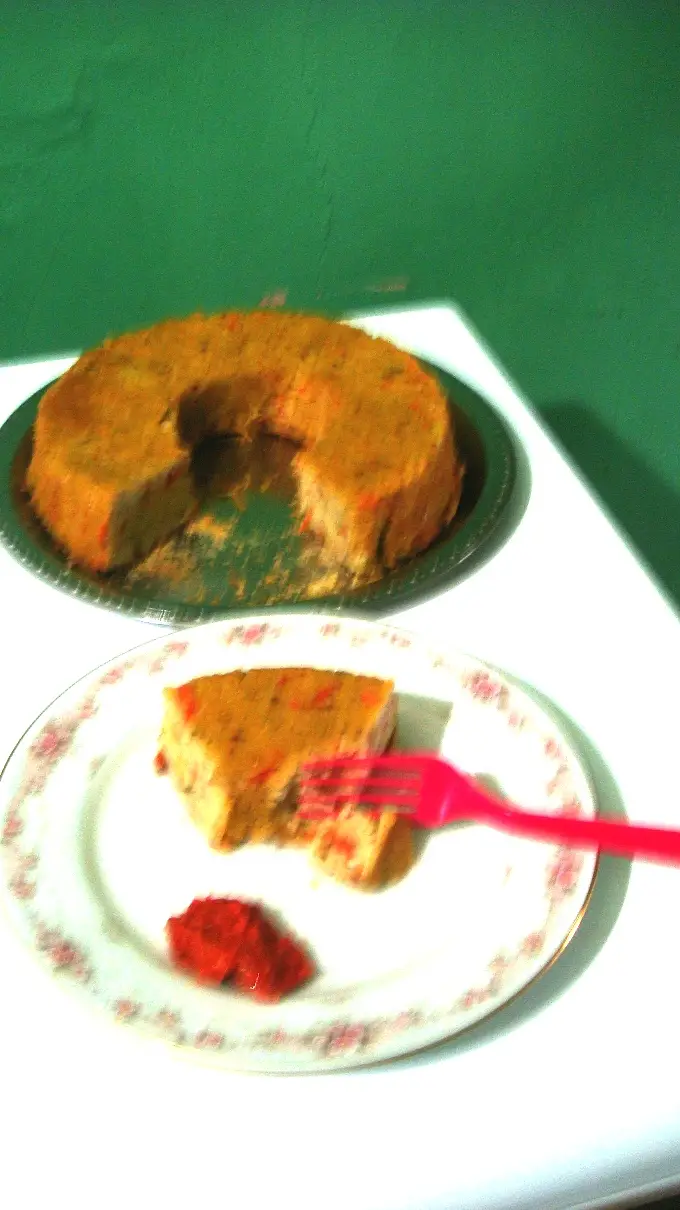
Pollo a la creme with sauteed chicken in sweet cream served inside a baked noodle ring mold with cheese and bechamel. A vintage dinner party showpiece with French technique.
Bacon and Swiss quiche baked in a noodle crust instead of pastry. Egg noodles line the pie plate for a crispy, carb-friendly shell filled with creamy custard and Parmesan.
Quick Caribbean-inspired chicken with curry, lime, green beans, and coconut simmered with noodles in one pot. Uses leftover cooked chicken for a 25-minute weeknight meal.
Lighter noodle casserole with cottage cheese, cheddar, Dijon mustard, and lemon juice baked until bubbly. A creamy, tangy baked pasta using non-fat milk powder instead of heavy cream.
Tangy yogurt and cottage cheese noodle bake loaded with spinach and topped with bubbly melted cheddar. A simple vegetarian casserole ready in 40 minutes.