If nuts have turned up in a recipe or caught your eye at the store, here's what you need to use them with confidence and how to choose them, cook them, store them, what to substitute, and 1,254 recipes to try them in.
Key Points
Nuts are oily seeds prized for crunch and toasty richness in both baking and savory cooking.
Always toast before using; raw nuts taste flat and toasting drives the oils to the surface.
Their high fat goes rancid in warmth and light, so store cold and taste before using.
Most nuts swap cup for cup in baking; toasted seeds cover crunch for nut allergies.
What are nuts?
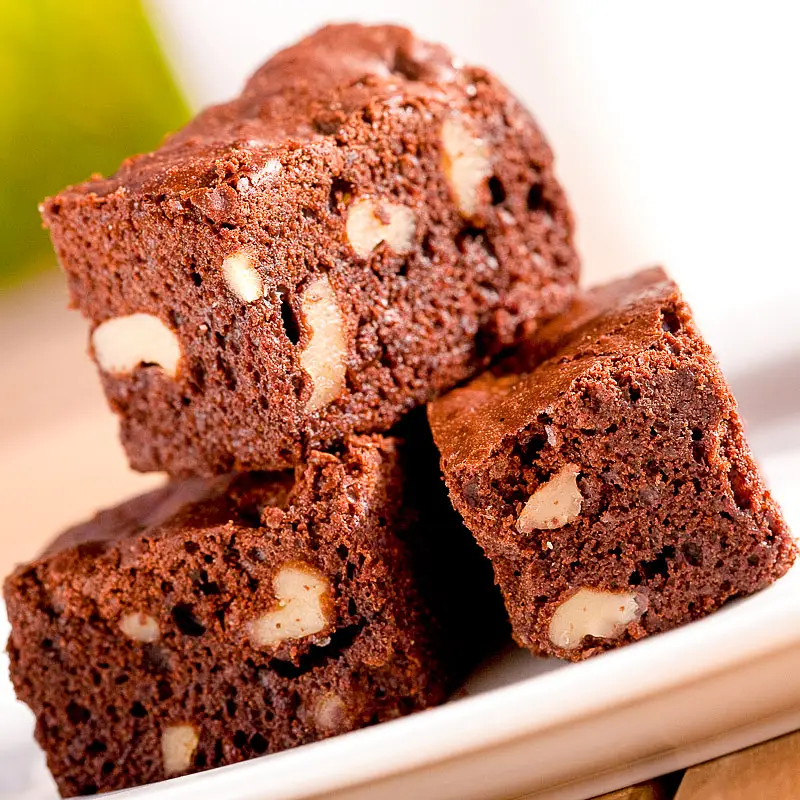
Nuts are the high-fat, high-protein seeds we cook with for crunch and a toasty richness no other ingredient quite delivers. Botanically the group is a mess. Almonds and walnuts are tree seeds, while peanuts are actually legumes and cashews grow off the bottom of a tropical fruit.
In the kitchen none of that matters. They behave the same way: oily and dense, and much better toasted than raw.
What they share is fat. That fat is what makes a handful of walnuts rich in banana bread, and it is also what makes the same walnuts go rancid in a warm cupboard. Almost everything about cooking with nuts comes back to managing that fat.
Toasting Brings Them Alive
Raw nuts taste flat. Toasting wakes them up, and skipping it is the most common mistake home cooks make. Heat drives off moisture and pushes the oils to the surface, which is where the flavor lives.
In the oven, spread them in one layer and roast at 350°F (175°C). Sliced almonds and pine nuts need about 5 to 8 minutes. Bigger whole nuts like walnuts and hazelnuts want 8 to 12.
Pull them when they smell nutty and look one shade darker than you think they should, because they keep cooking on the hot pan after they come out.
On the stovetop, a dry skillet over medium heat works for small batches. Shake constantly. Nuts go from golden to burnt in under a minute, and scorched nuts taste bitter all the way through.
Toast before you chop, not after. Whole nuts brown evenly, while chopped pieces have exposed edges that burn before the centers cook. Let them cool fully before they go into a batter, or residual heat starts melting the butter and chocolate around them.
Cooking and Pairing
Nuts pull double duty. Whole or chopped, they add crunch, the way they do in this five-star Chocolate Chip Carrot Cake or scattered over Apple-Sour Cream Streusel Coffee Cake. Ground fine, they become structure, standing in for some of the flour in tortes and macaroons.
They lean sweet and savory equally. Walnuts and apples are a classic, which is why they turn up together across so many of the apple cakes and pies here. Pine nuts go into pesto and cashews thicken curries.
Watch your salt. Salted cocktail nuts thrown into a sweet batter will throw off the whole recipe, so use unsalted nuts for baking and season the dish yourself.
The other trap is texture. Nuts folded into a wet batter too early can soften and lose their snap by the time the dish is done, so a topping is often better added partway through baking.
Swapping One Nut for Another
Most nuts substitute for each other by volume in baking, cup for cup, as long as you respect their flavor weight. Pecans and walnuts trade almost invisibly, since both are soft and slightly bitter. Almonds are firmer and milder, so they read as more crunch and less richness.
Toasted hazelnuts bring the strongest flavor of the common nuts, so use a little less if a recipe is built around a milder one. Cashews are the soft, buttery option and the worst choice when you want a defined crunch, because they go pasty.
For a true nut allergy, toasted pumpkin or sunflower seeds give you similar crunch with no tree nut or peanut in them. Rolled oats toasted in a dry pan cover the texture in a streusel or crumble.
None of these seed swaps match the fat content, so a batter built on ground nuts won't behave the same, but for topping and crunch they hold up fine.
One real warning. Nut allergies are among the most serious food allergies, and cross-contact matters, so if the same scoop or board touched nuts earlier, swapping the nut out of the recipe is not enough.
Buying and Storing
Buy nuts whole when you can. Whole nuts have less surface area exposed to air, so they keep their fat from spoiling far longer than pre-chopped or sliced ones.
The enemy is rancidity. The oils oxidize in warmth and light, and a rancid nut tastes sharp, like old paint. Once it turns it is done, so taste a nut before you commit a batch to a recipe. One rancid handful ruins everything it goes into.
Store nuts in an airtight container. In a dark pantry most last 1 to 3 months, in the fridge about 6 months, and in the freezer up to a year or more.
The oiliest nuts spoil fastest, so keep walnuts and pine nuts cold. Buy them in amounts you will use within a season rather than a warehouse bag that goes off before you reach the bottom.
Types of nuts
Specific kinds of nuts and the recipes that use them.
Almonds can be found in a variety of different forms. Natural almonds are the whole nuts with their skins intact. Blanched almonds are the whole nuts with their skin removed.
Slivered almonds which are usually blanched are cut into narrow sticks, julienned so to speak.
Sliced almonds are available as natural with skins (which look prettier with their ring of brown skin) and as blanched.
Roasting almonds deepens their flavor and is advisable in most use in recipes. Spread the almonds on a baking sheet and roast at 300 degrees F (140C) until just beginning to brown, about 10 to 15 minutes. Be careful, using a higher temperature to try to speed up the process can easily burn them! If you can't keep an eye on them, use 250 degrees F (120C) to be on the safe side. Steady and slow is the way to go.
Almond meal also called almond flour in some recipes is finely ground almonds. You can make your own almond flour by grinding whole natu
Alternatively chop the almonds roughly and place them into your food processor and process until the desired consistency is reached. The only drawback is the noise and the lack of fluffy texture.ral or blanched almonds on the fine blade of a food grinder. This will achieve the same fluffy texture as store bought almond meal.
While the almond is often eaten on its own, raw or toasted, it is also a component of various dishes. It, along with other nuts, is often sprinkled over desserts, particularly sundaes and other ice cream based dishes. They are also used to make almond butter, a spread similar to peanut butter, popular with peanut allergy sufferers and for its less salty taste.
Almonds contain approximately 49% oils, of which 62% is monounsaturated oleic acid (an omega-9 fatty acid), 24% is linoleic acid (a polyunsaturated omega-6 essential fatty acid), and 6% is palmitic acid (a saturated fatty acid).
The oil is good for application to the skin as an emollient, and has been traditionally used by massage therapists to lubricate the skin during a massage session. It is a mild, lightweight oil that can be used as a substitute for olive oil.
Pecans are a good source of protein and unsaturated fats. Like walnuts (which pecans resemble), pecans are rich in omega-6 fatty acids, although pecans contain about half as much omega-6 as walnuts.
A diet rich in nuts can lower the risk of gallstones in women.The antioxidants and plant sterols found in pecans reduce high cholesterolby reducing the "bad" LDL cholesterol levels.
Pecans may also play a role in neurological health. Eating pecans daily may delay age-related muscle nerve degeneration, according to a study conducted at the University of Massachusetts and published in Current Topics in Nutraceutical Research.
The U.S. Food and Drug Administration (FDA) has acknowledged this and related research and approved the following qualified health claim: "Scientific evidence suggests, but does not prove, that eating 1.5 ounces per day of most nuts, such as pecans, as part of a diet low in saturated fat and cholesterol, may reduce the risk of heart disease.
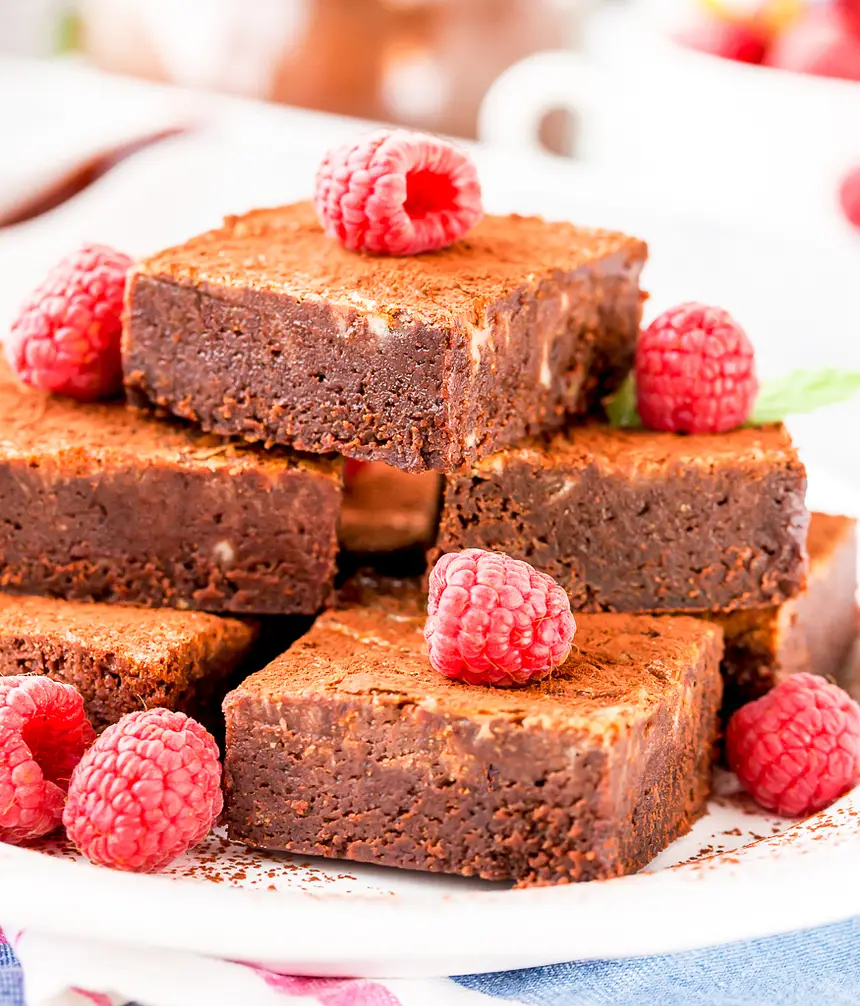
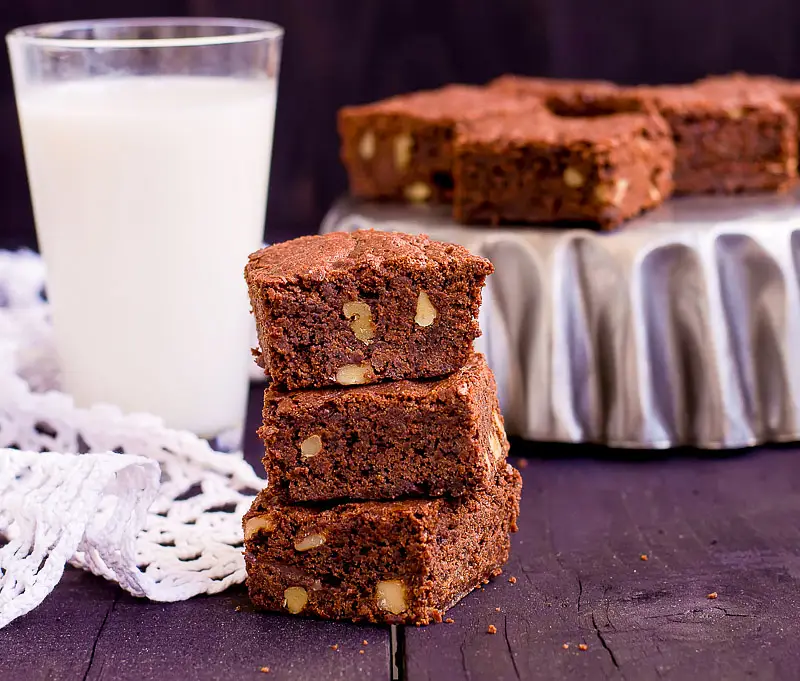
Quick fudgy brownies made with unsweetened chocolate and butter melted in the microwave, with optional marshmallow chocolate frosting. The classic from-scratch fudgy brownie in one bowl.
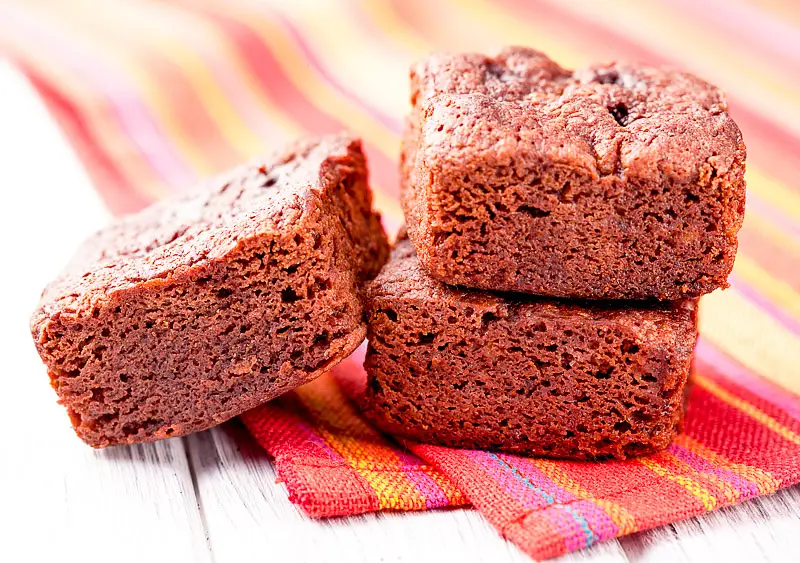
Chewy cocoa brownies made from scratch with a sugar substitute, so they're lower in sugar but still rich, fudgy, and chocolatey. A simple one-bowl brownie built on cocoa powder, no melting.
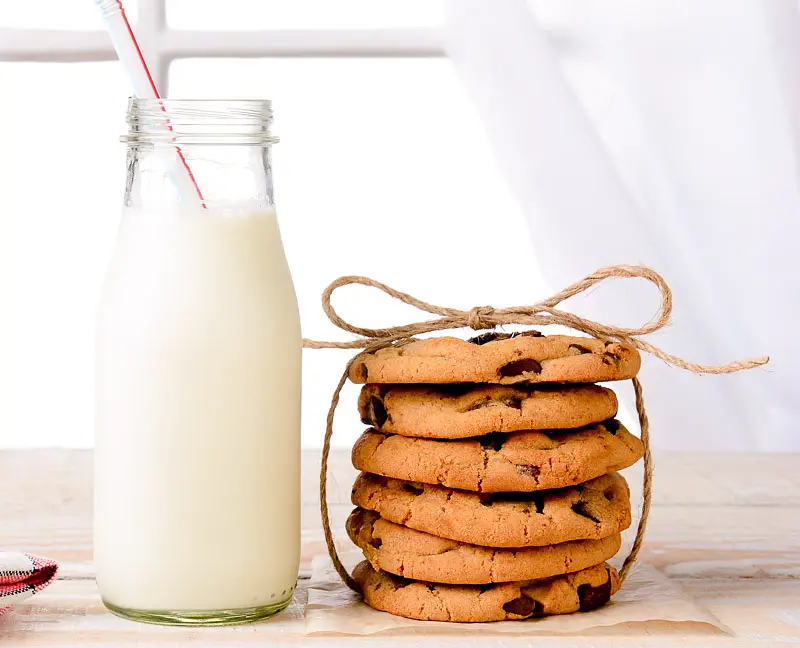
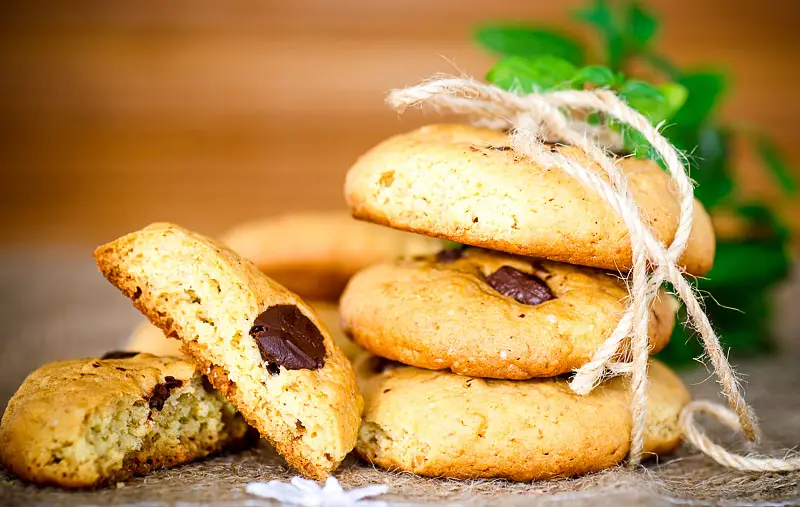
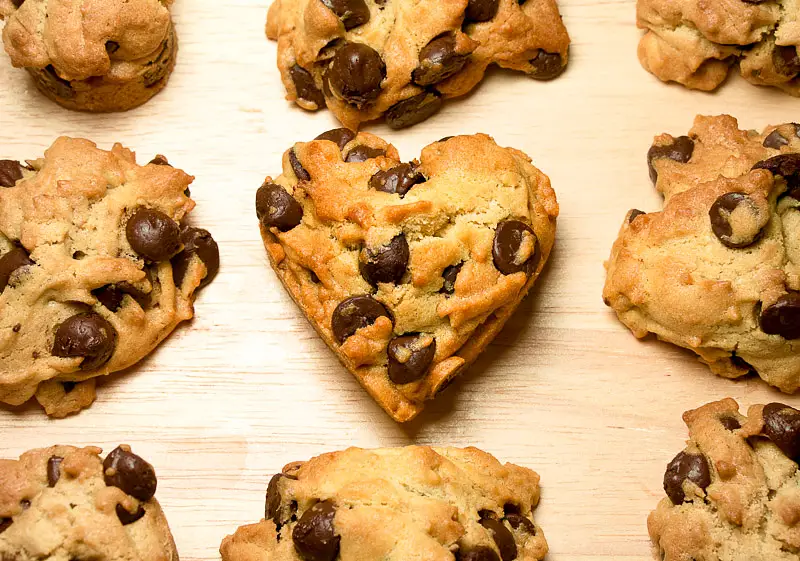
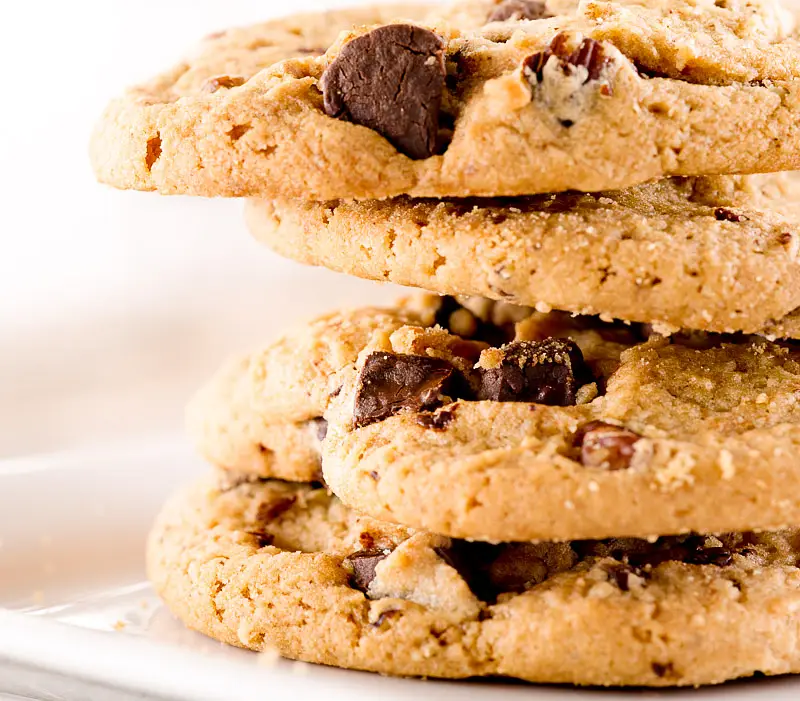
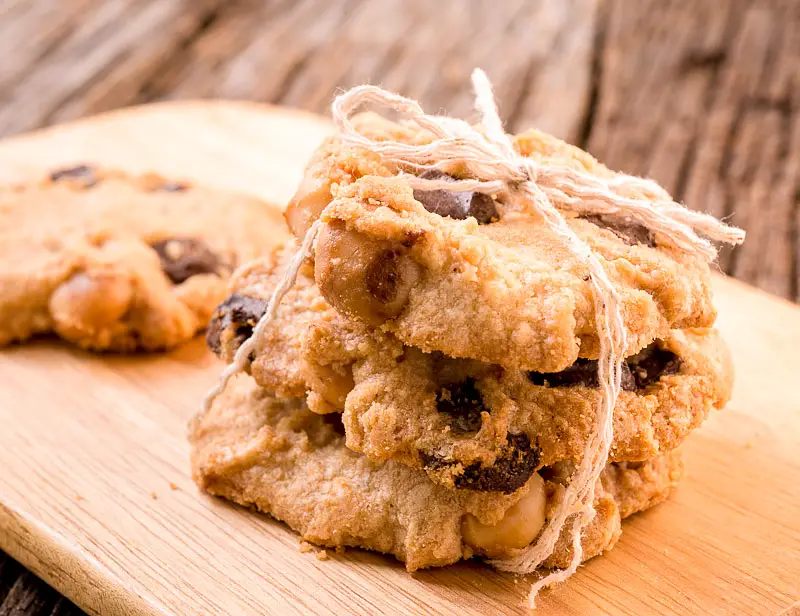
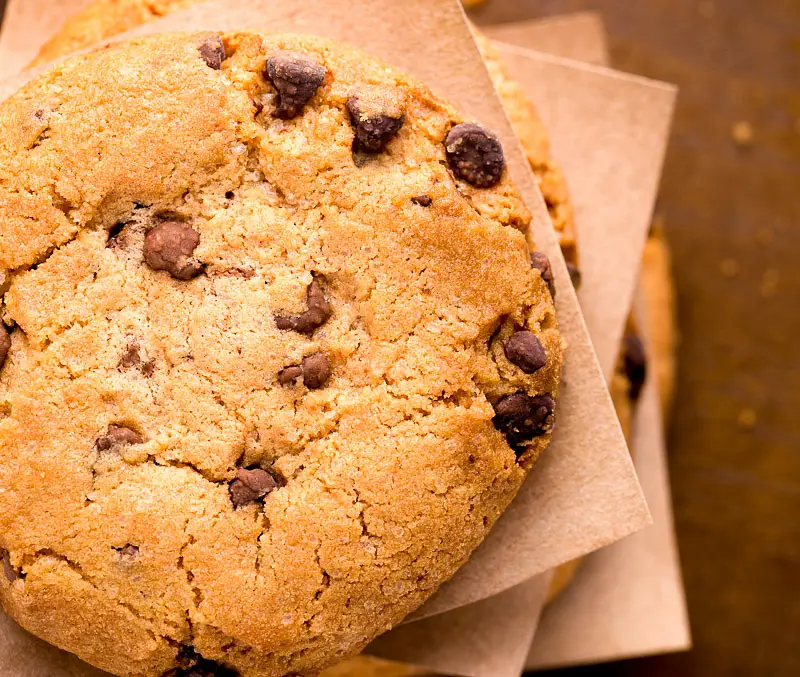
Chocolate chip cookies made with butter and shortening for soft centers and crisp golden edges. Loaded with semi-sweet chips and chopped nuts. Big-batch classic.
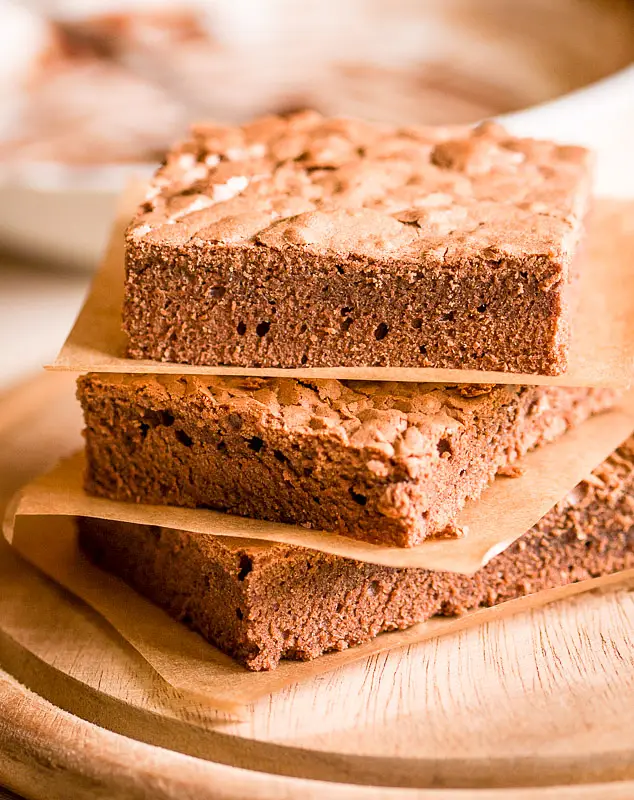
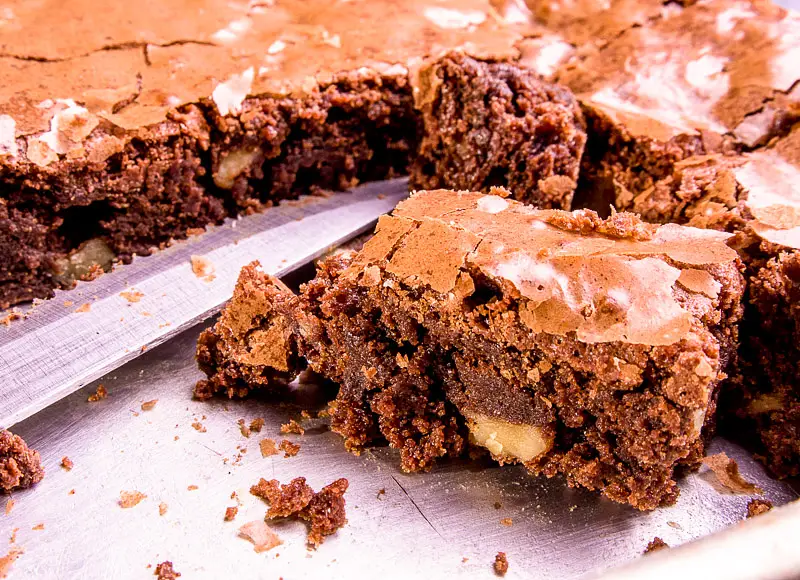
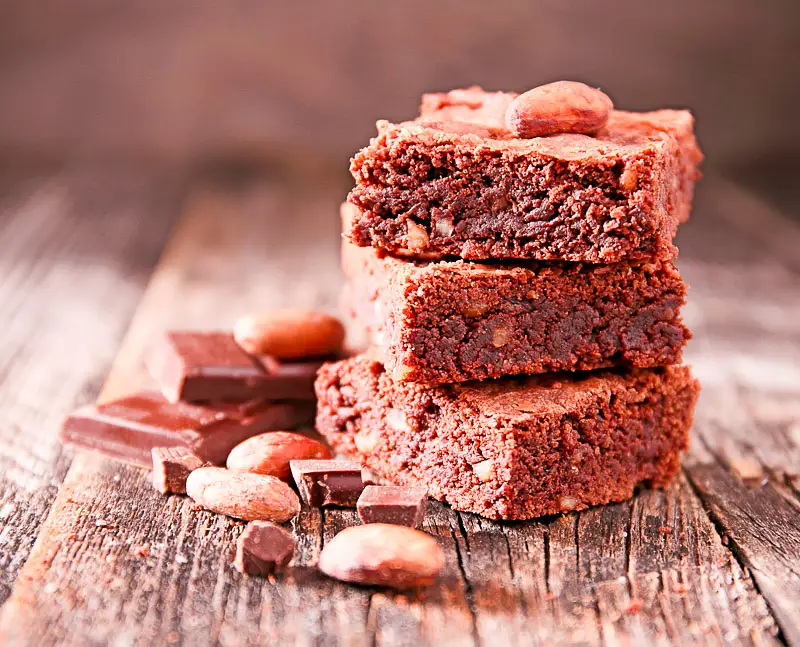
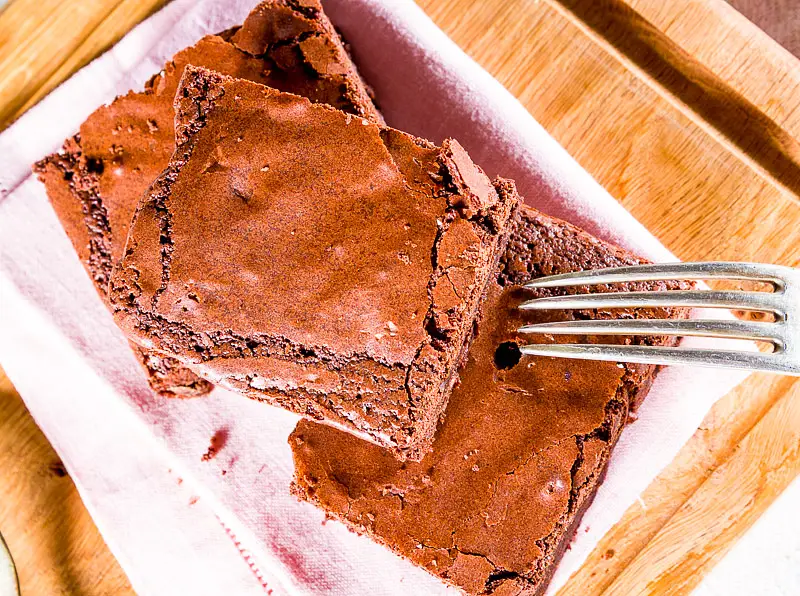
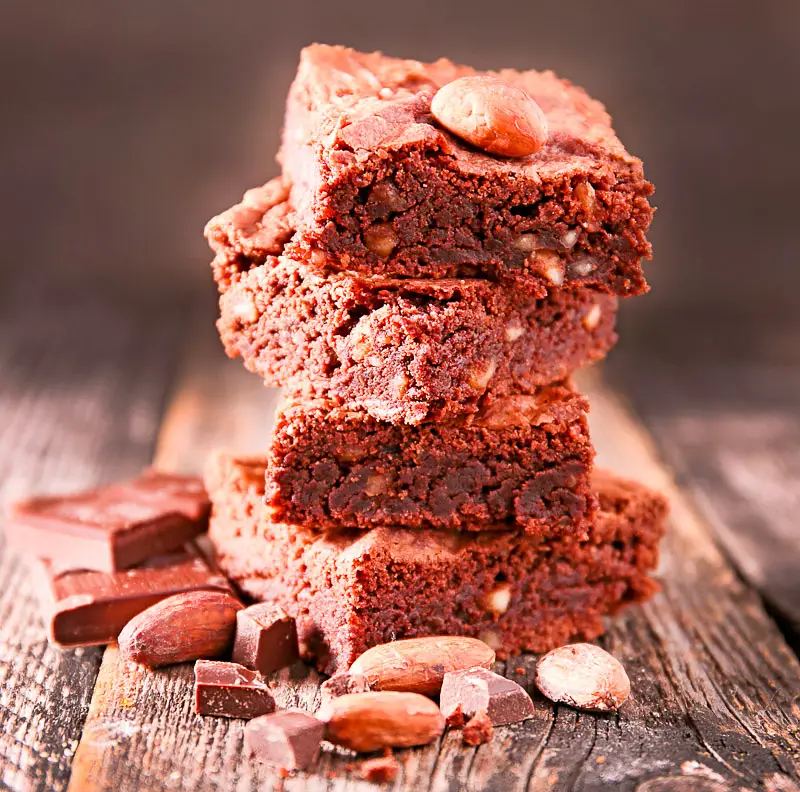
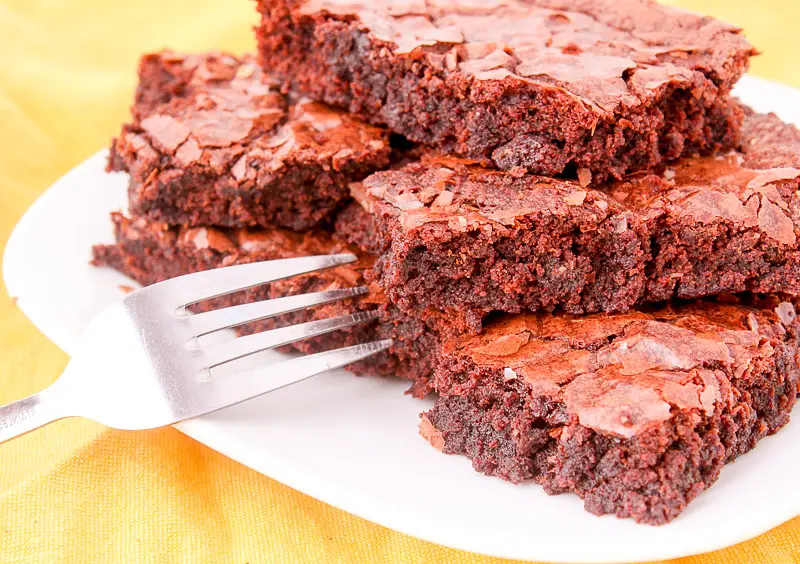
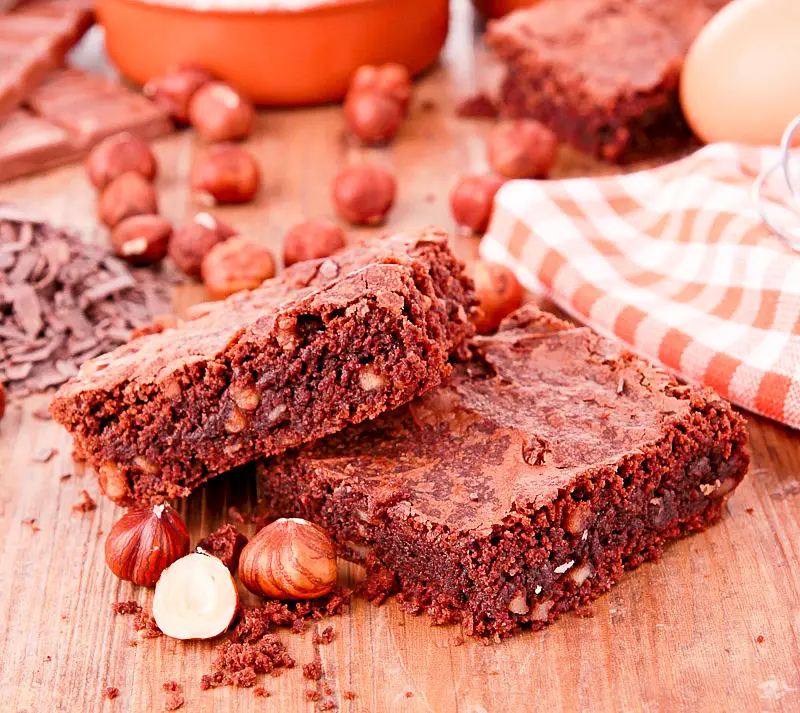
Fudgy chocolate brownies: dense, rich brownies built on six squares of unsweetened baking chocolate and real butter. The bake-sale champion that crackles on top and stays gooey inside.
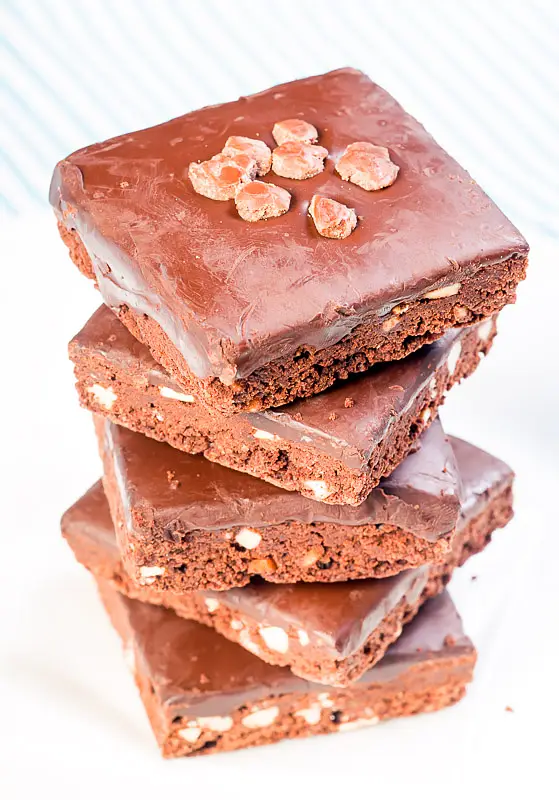
Old-school sugar-free chocolate nut brownies sweetened with liquid artificial sweetener instead of sugar, made with unsweetened chocolate, butter, eggs, and chopped nuts. A low-carb take on a classic brownie.
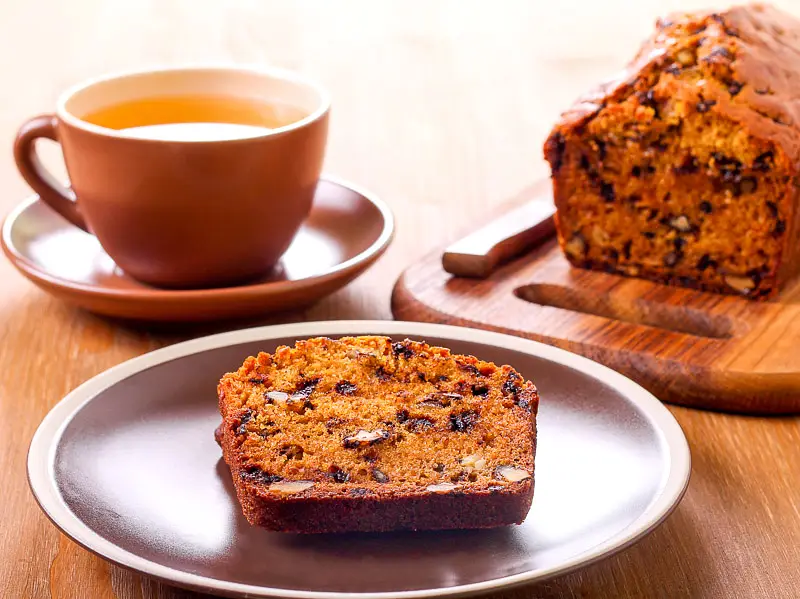
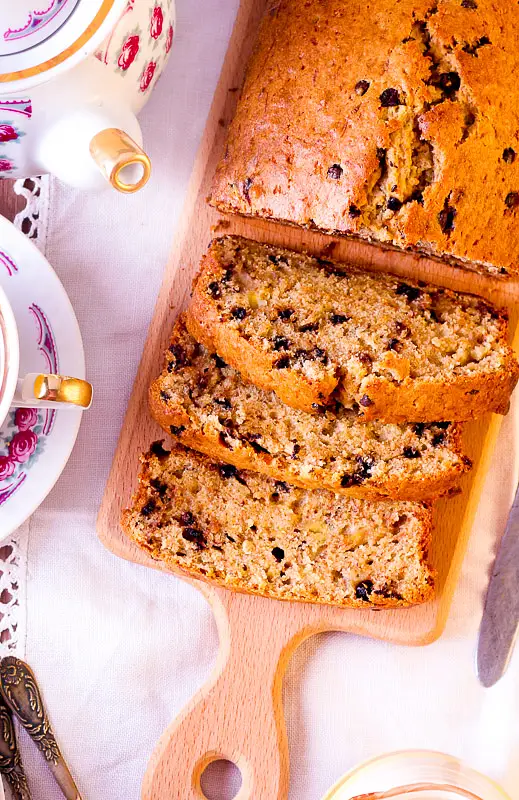
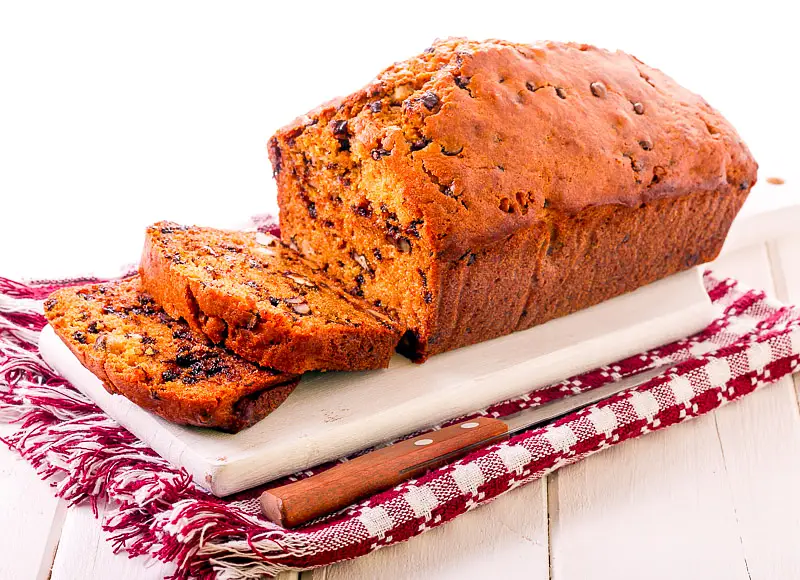
Banana bread loaded with chocolate chips, raisins, and chopped nuts in a moist oil-based loaf. A retro family recipe stuffed with extras, perfect for breakfast or dessert.
Double chocolate chocolate chip cookies with rich cocoa dough and semi-sweet chips folded throughout. Soft fudgy centers, crisp edges, and an option to add chopped nuts for crunch.
Ravine brownies are old-fashioned, fudgy chocolate brownies made with melted unsweetened chocolate, butter, eggs, and chopped nuts. Classic seven-ingredient recipe in 40 minutes.
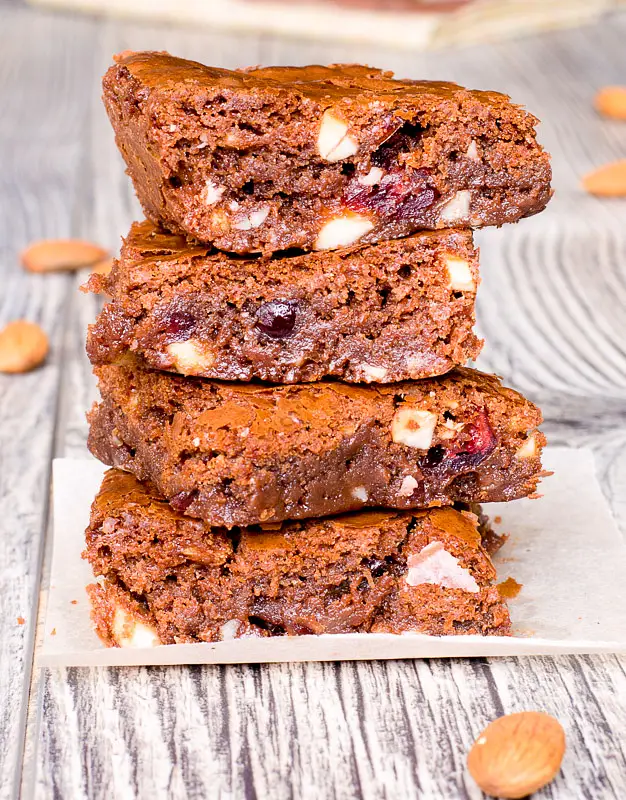
Fudgy cocoa brownies loaded with chocolate chips and nuts, baked in a sheet pan for 48 generous squares. Rich chocolate batter topped with melty chips creates chewy-crisp perfection.
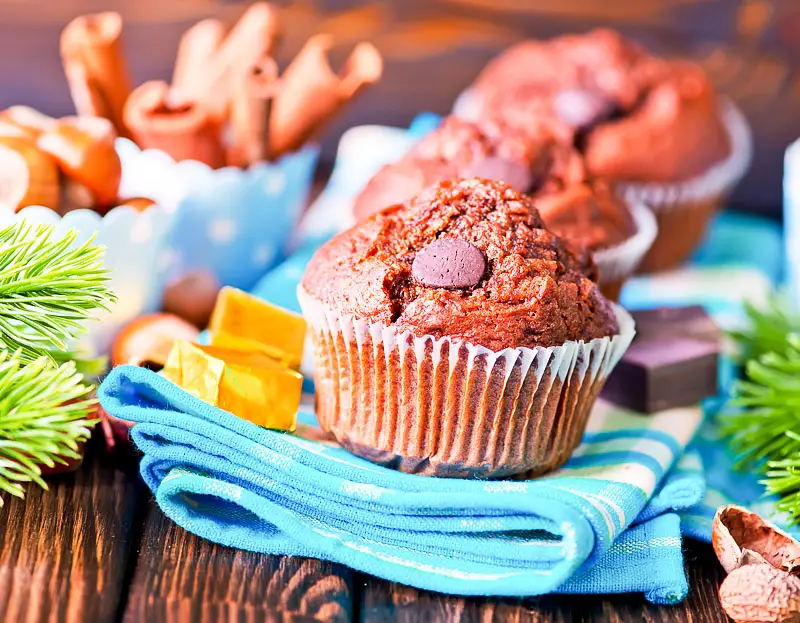
Super fudge cupcakes soak chopped dates in boiling water before folding into a chocolate batter studded with chips and nuts. Date-sweetened, intensely fudgy cupcakes with a tender crumb.
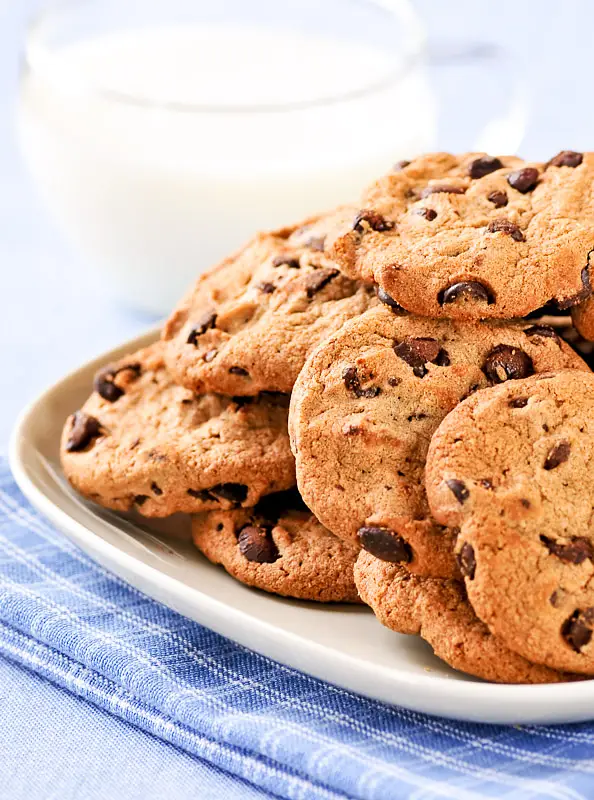
Holiday chocolate chip cookies follow the classic Toll House blueprint: butter, brown sugar, semisweet chips, and a fistful of chopped nuts. Crisp at the edges, soft in the middle, ready in 30 minutes. The cookie tin standard.
Saucepan fudge brownies come together in one pot, with no mixer and barely any cleanup. Melt the butter and unsweetened chocolate, stir in the rest right in the pan, and bake fudgy, nutty squares from scratch.
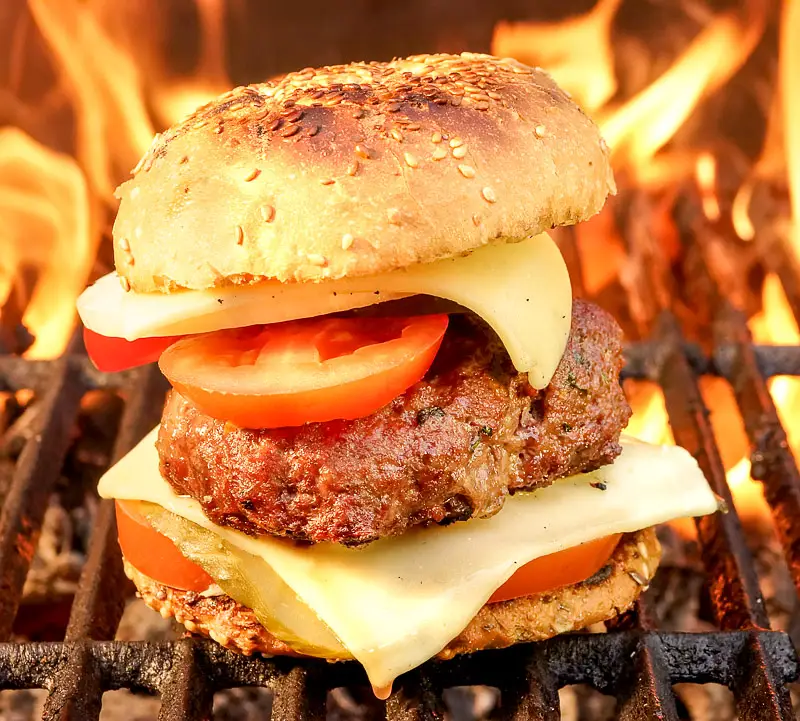
Classic American hamburger patties seasoned with Worcestershire, onion and pepper, then broiled or grilled to your preferred doneness. Mix-in variations included.
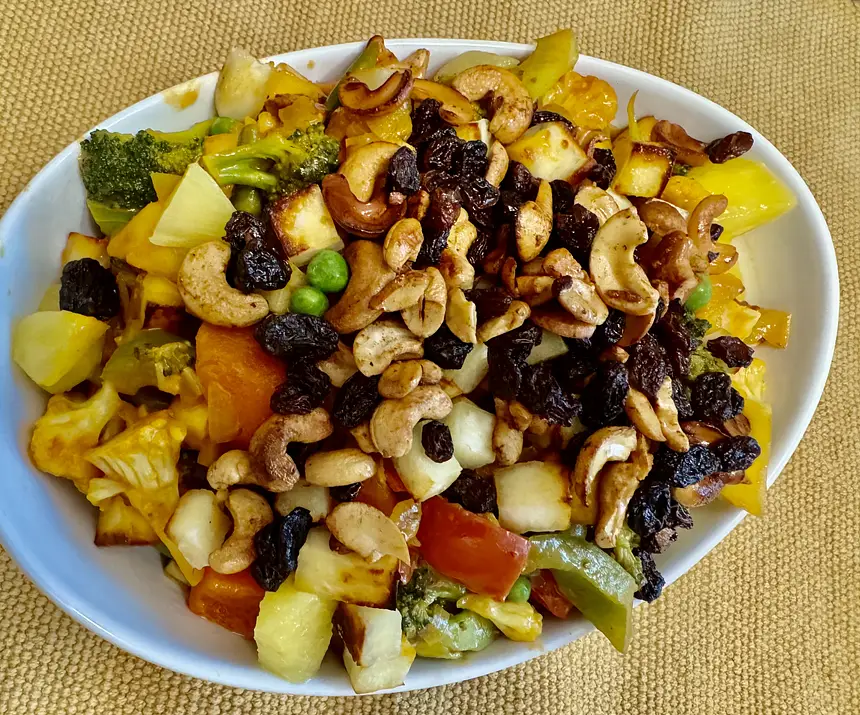
Mughlai-style mixed vegetable curry with paneer, cream, pineapple, and golden raisins. A rich, mildly spiced North Indian dish that finishes with a sprinkle of fried nuts for royal-court flair.
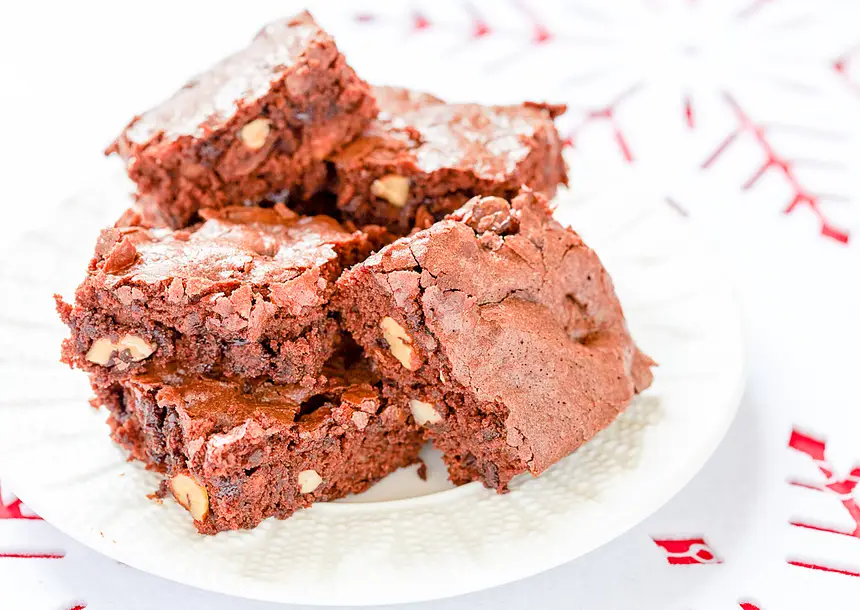
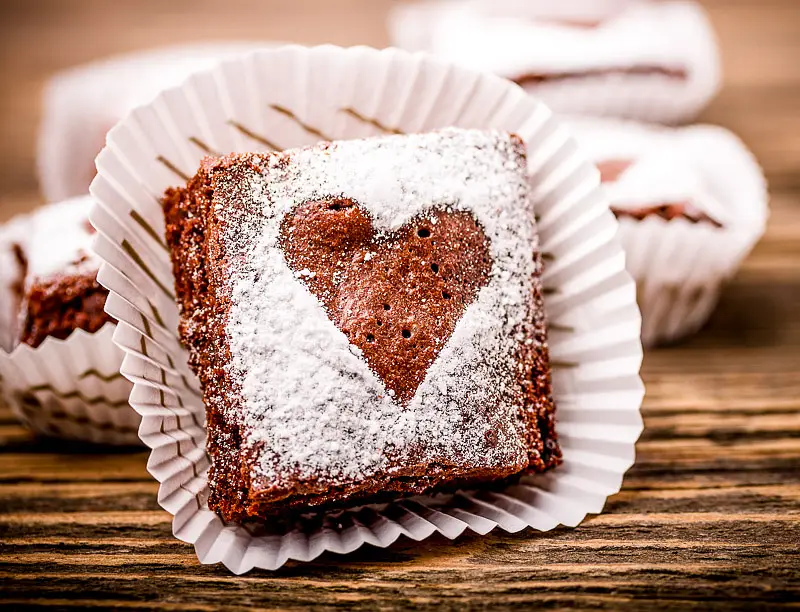
Old-fashioned chocolate nut brownies built on melted unsweetened chocolate, butter, and a single bowl. Dense, fudgy bars dusted with powdered sugar, no cocoa powder shortcuts.
Uncle Ben's best brownies: one-bowl cocoa brownies with a fudgy, glossy crumb. Butter melted right in the mixing bowl, four eggs for that classic shiny crackle top, and a deep cocoa hit.
Rum truffles are classic chocolate ganache truffles flavored with rum extract and rolled in cocoa-sugar. A 30-piece batch of giftable, no-bake holiday confections.
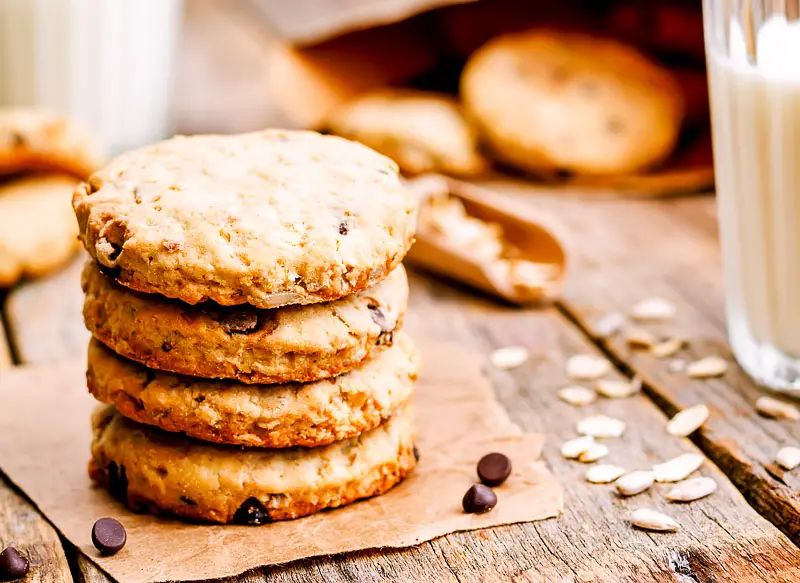
Whole wheat oatmeal chocolate chunk cookies pack quick oats, hearty whole wheat flour, chocolate chunks, and nuts into a chewy lunchbox cookie. Wholesome enough for breakfast, sweet enough for dessert.
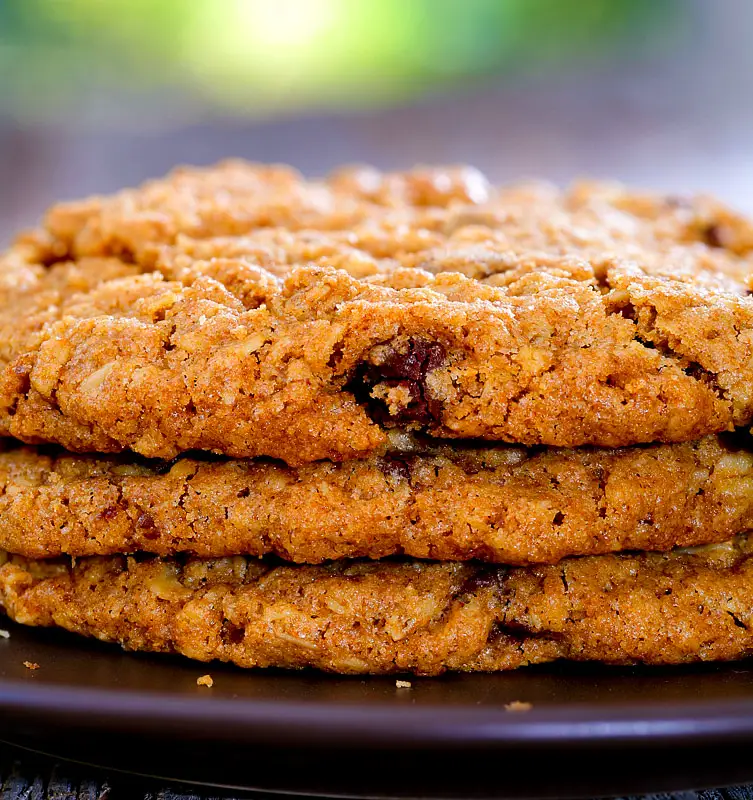
Oatmeal chocolate chip cookies you can bake chewy or crunchy just by watching the clock. Two cups of rolled oats give them real heft while shortening keeps them tender. Pull them early for chew, longer for crunch.
Ultra-fudgy brownies made with real melted chocolate and butter, packed with chopped nuts and just enough flour to hold their dense, truffle-like texture.
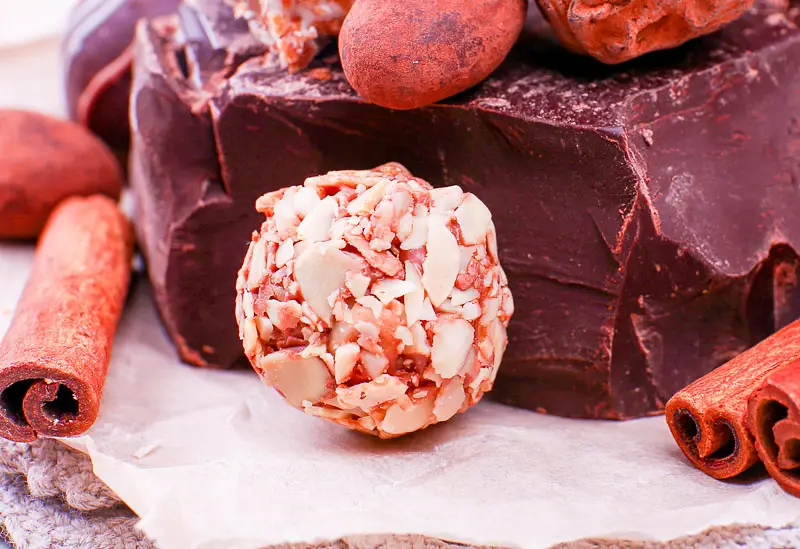
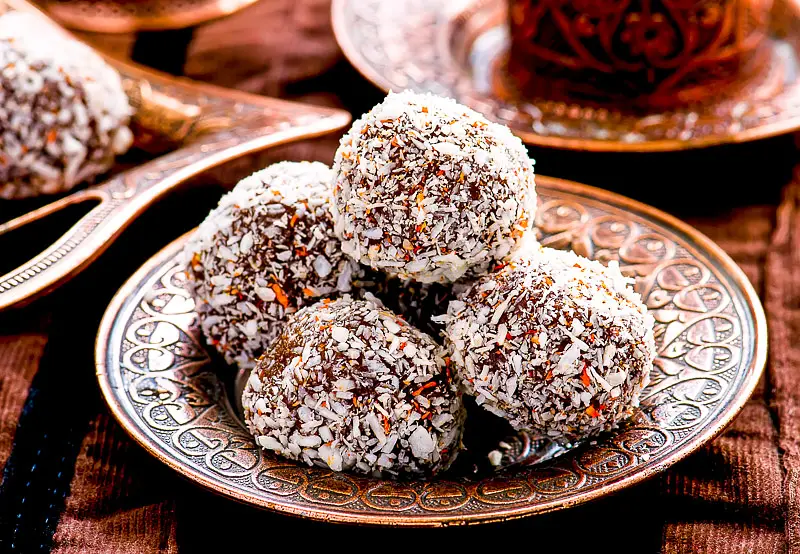
Baker's truffles roll melted semi-sweet chocolate with creamed butter, egg yolk, powdered sugar, and vanilla into 1-inch chilled candy balls coated in chopped nuts or coconut. Old-school no-cream truffles with deep cocoa richness.
Soft pumpkin chocolate chip cookies with cinnamon and a tender, cake-like crumb. A fall favorite that turns one cup of pumpkin puree into 36 chewy, spiced cookies.
Chocolate brownies made with a can of chocolate syrup for that fudgy old-school texture. Six ingredients, one bowl, sliced into thin sheet-pan squares. A nostalgic American treat.
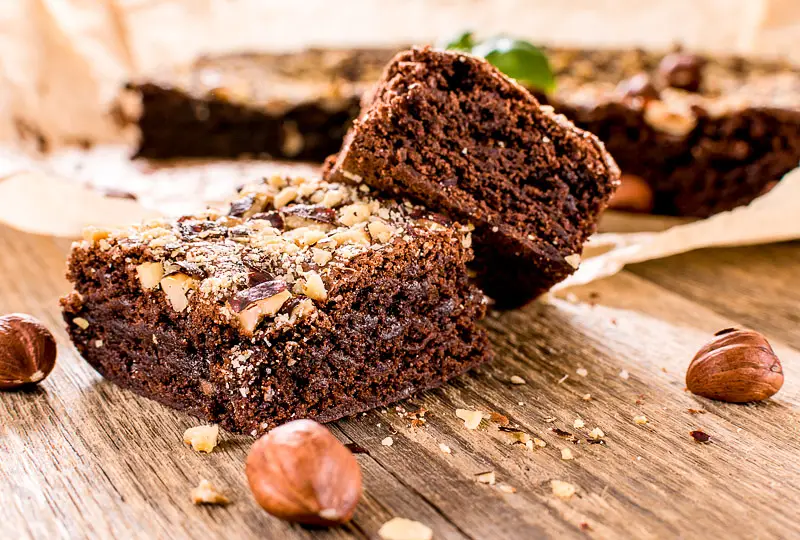
Bakery-style fudge brownies with melted unsweetened chocolate, brown and white sugar, corn syrup for chew, and a generous handful of toasted nuts. A big-batch 9x13 pan that yields 24 dense, glossy squares.
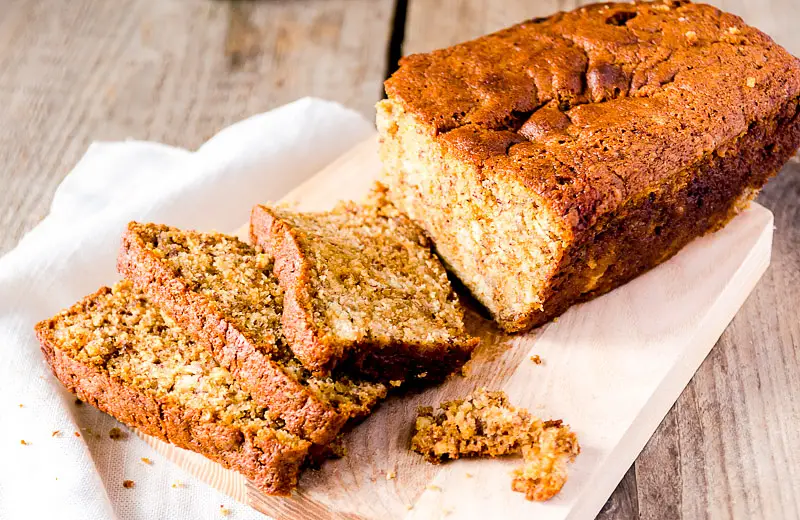
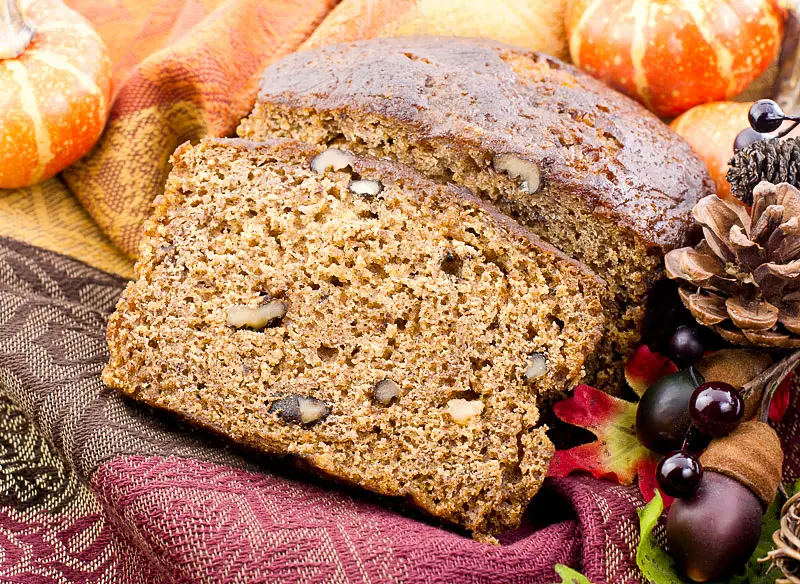
Classic large-batch banana bread with up to six mashed bananas, butter, eggs, and chopped nuts. A double-loaf recipe that bakes one big bread or two smaller loaves with extra batter for muffins.
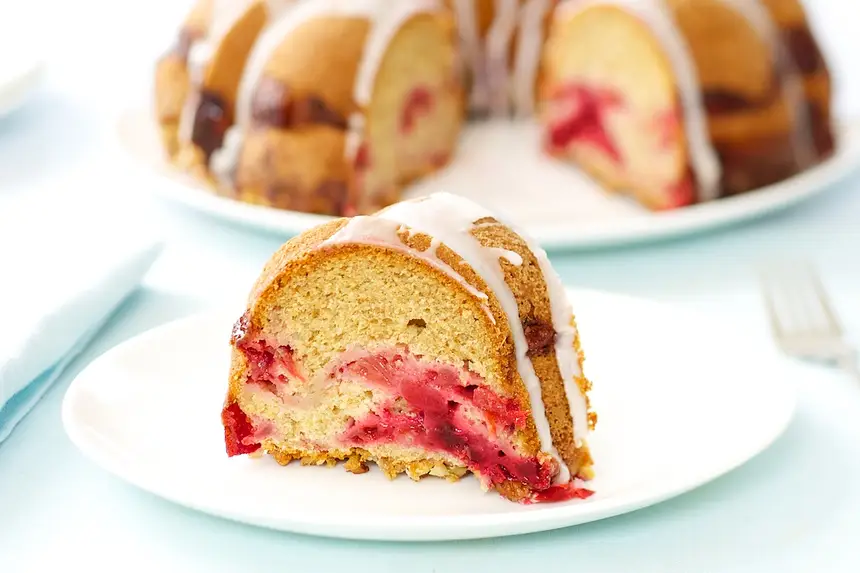
Cranberry swirl coffee cake layered with whole berry cranberry sauce in a tube pan, topped with nuts and almond icing. A buttery, yogurt-tender brunch cake with ruby-red cranberry ribbons.
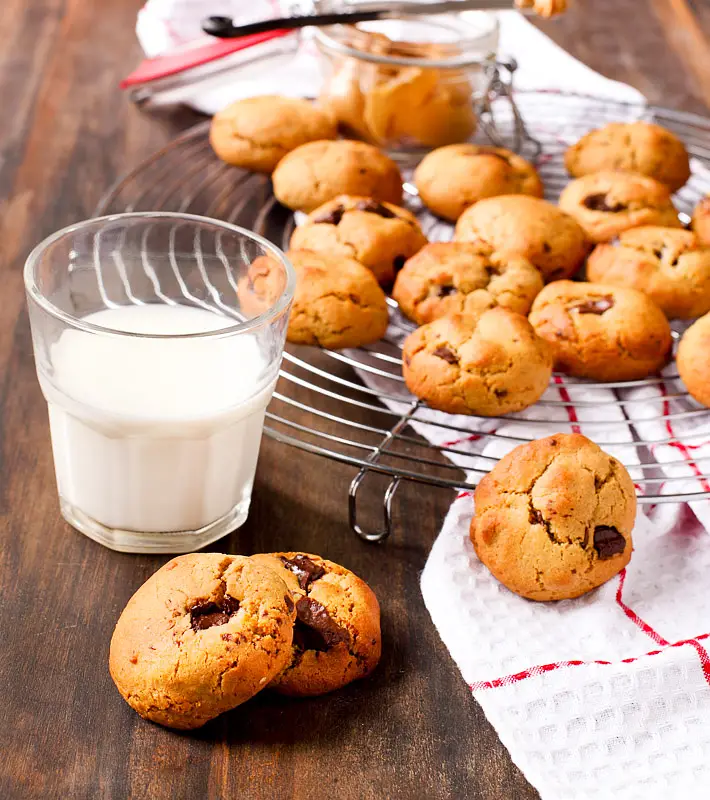
Chocolate chip pudding cookies stay soft and chewy for days thanks to a secret box of instant chocolate pudding mix folded right into the dough. Loaded with chips and optional nuts.
Banana bread with bran cereal and chewy dried apricots, baked into a hearty fiber-rich loaf with brown sugar warmth and a tender crumb. A wholesome breakfast quickbread.
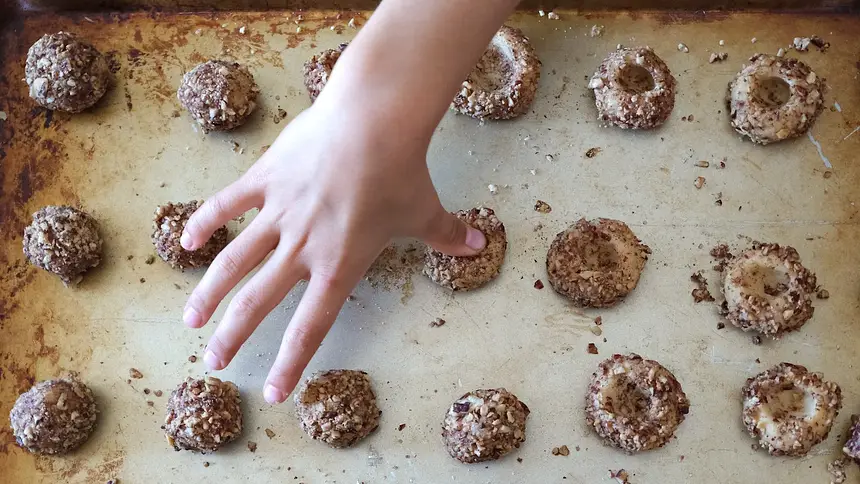
Granny's Thumbprint Cookies are a classic, melt-in-your-mouth treat with a nutty coating and a vibrant jelly center. These cookies are simple to prepare, making them ideal for holiday baking, tea parties, or a cozy family dessert. The combination of tender cookie dough and sweet jelly creates a delightful balance of textures and flavors.
Reduced fat banana nut bread with non-fat sour cream and egg substitute, swirled with chocolate chips and chopped nuts. Half the fat of standard banana bread, all the moist banana flavor.
Better than sex brownies are dense fudgy squares built on melted unsweetened chocolate and shortening, topped with chopped nuts for crackling crunch against the gooey middle.
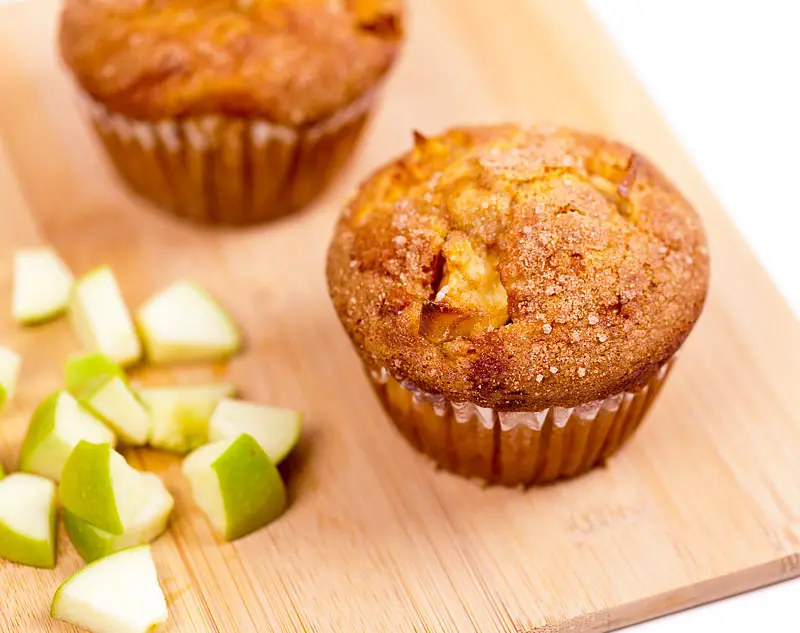
Double apple muffins use both apple juice and chopped fresh apple in a brown-sugar batter, then finish with cinnamon sugar tops. Tender, fruit-loaded breakfast muffins ready in 35 minutes.
Chocolate chip banana nut bread blends mashed ripe bananas with buttermilk into a tender quick bread loaded with mini chocolate chips and chopped nuts. Two loaves from one bowl, perfect for freezing.
Chocolate chip cookies upgraded with wheat germ, walnuts, coconut, and a butter-shortening combo for the chewiest centers and crispiest edges. A loaded everything-cookie that hides nutrition behind chocolate.
Blair's banana bread is a no-fuss family quickbread with three mashed bananas, butter, and a handful of nuts or raisins. The kind of one-bowl loaf that built America's banana bread habit.
Pumpkin layer cake with cooked fresh pumpkin, warm cinnamon, and a tender, moist crumb. A two-layer Thanksgiving and Christmas cake that's lighter than spice cake but just as comforting.
Easy homemade brownies with melted chocolate, butter, and chopped nuts baked at low heat for a soft, chewy center. Just seven ingredients and 25 minutes in the oven.
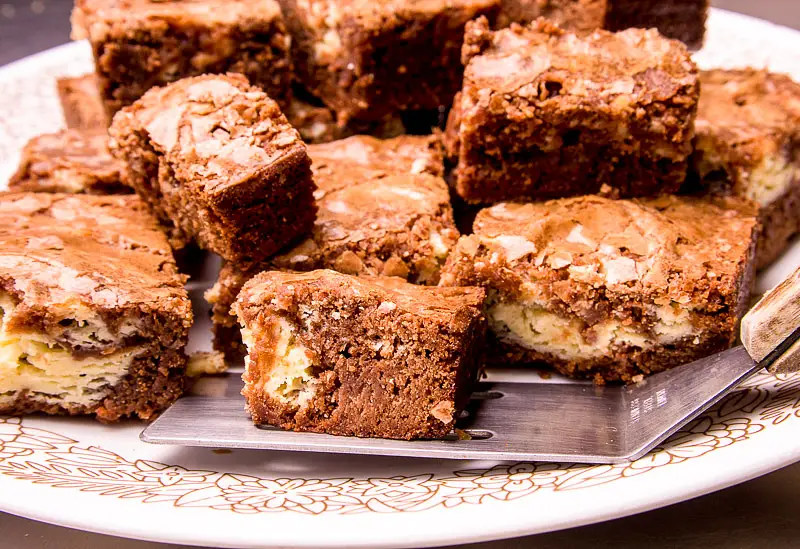
Cream cheese brownies marbled with German sweet chocolate batter and a tangy cheesecake swirl. Fudgy, dense, and just slightly tangy thanks to the cream cheese running through every bite.
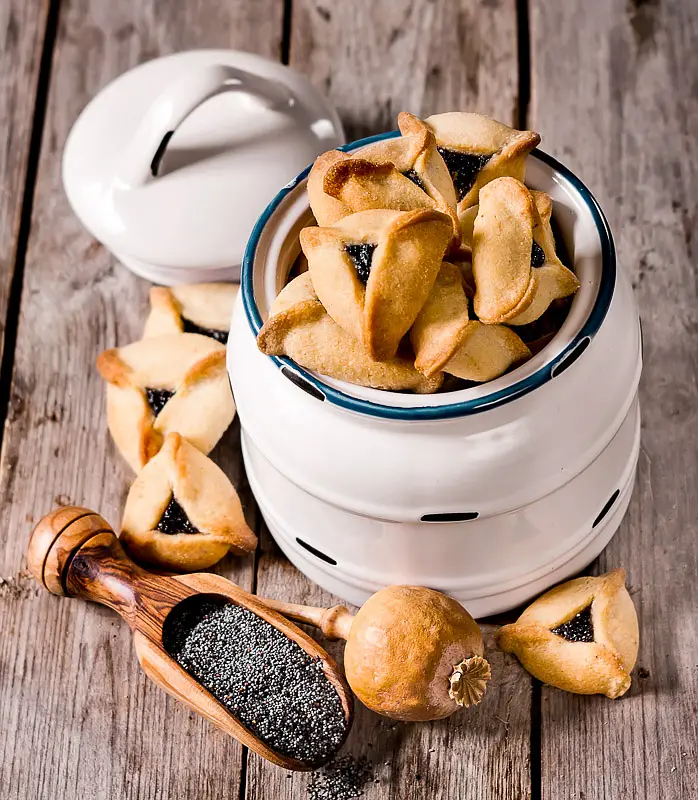
Poppyseed and nut filling for hamantaschen blends ground poppy seeds with chopped nuts, raisins, citron, and milk into a thick, jewel-toned paste. The traditional mohn filling for Purim cookies.
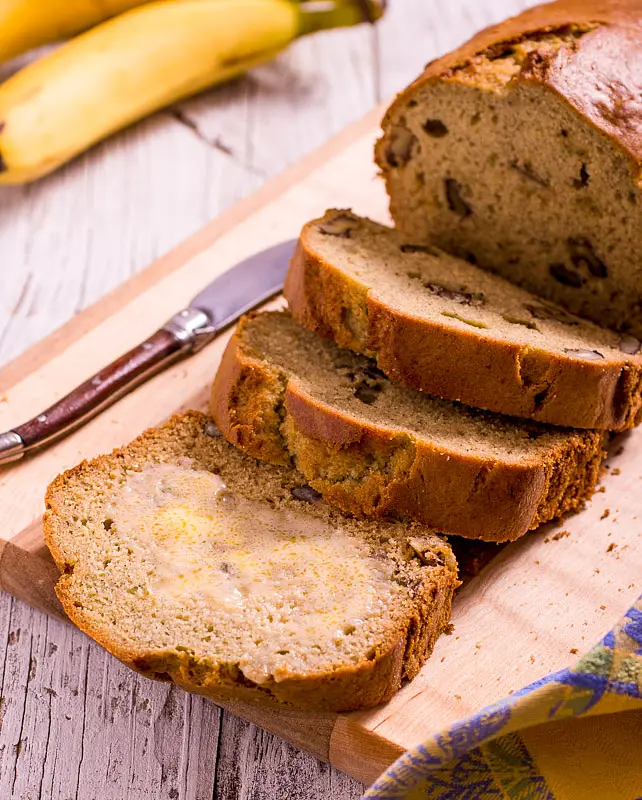
Moist banana nut bread baked low and slow until the crumb turns tender and the crust deepens to gold. Made with ripe mashed bananas, melted butter, and a handful of crunchy nuts in every slice.
Chocolate chip cookies built on an all-brown-sugar base for deeper caramel notes, loaded with chocolate chips and chopped nuts. Chilled dough bakes into a thick, chewy bakery-style cookie.
Crunchy chocolate chip oatmeal cookies with blender-fine oats, milk chocolate, semisweet chips, and a deep brown sugar base. A big-batch cookie that bakes up crisp at the edges and chewy at the center.