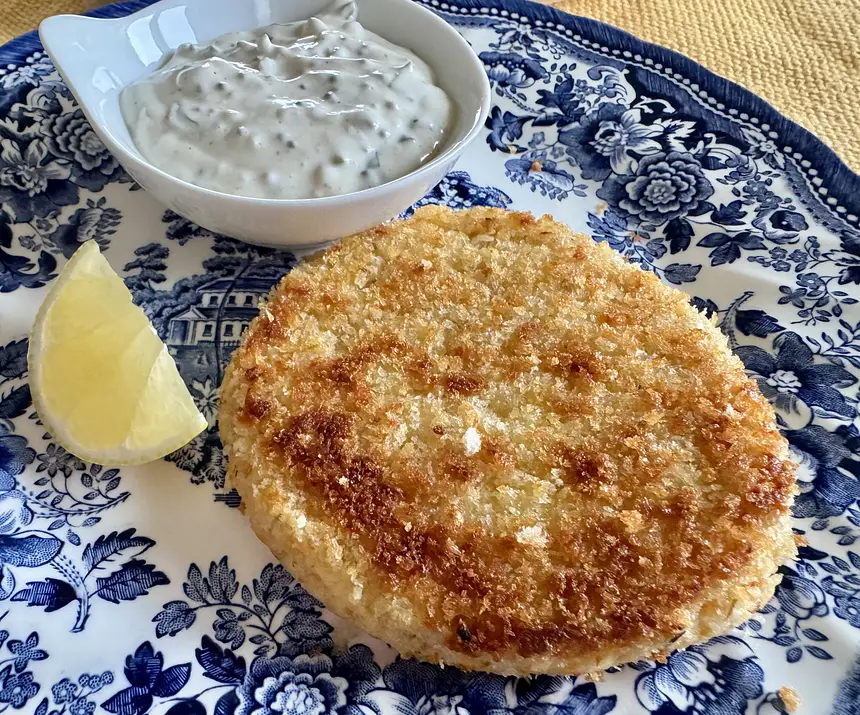
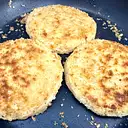
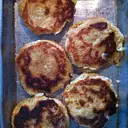
Cheesy Salmon Potato Cakes


Submitted by laurie@recipeland
These golden, crispy salmon potato cakes combine flaky salmon, creamy mashed potatoes, and sharp cheddar for a comforting meal. Perfect with baked beans or a fresh salad, they’re an easy, budget-friendly dish for any occasion.
YIELD
6 servingsPREP
20 minCOOK
20 minREADY
90 min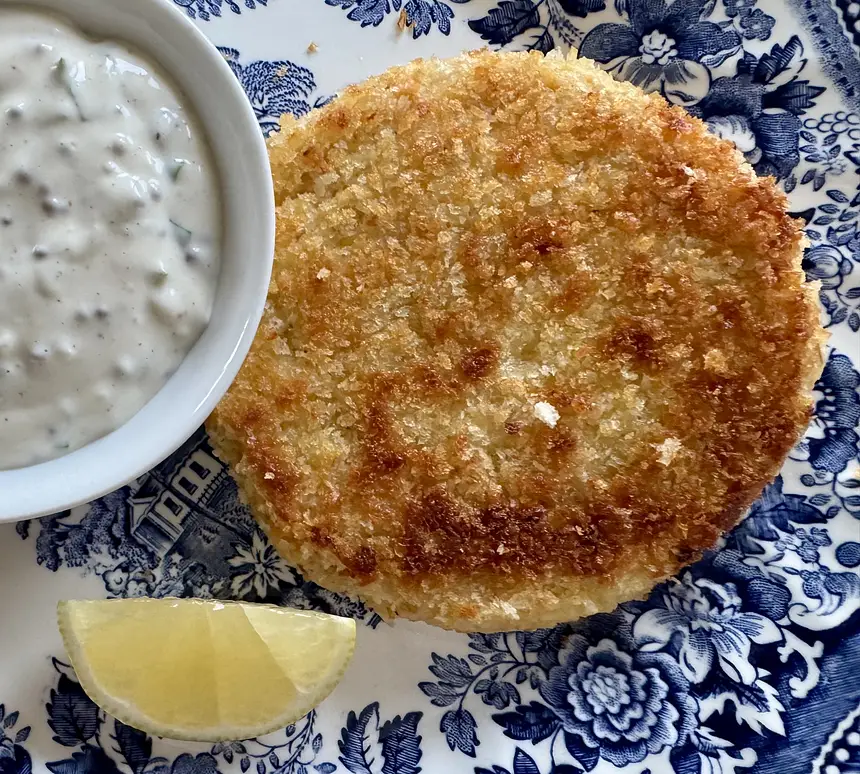
Chef Tips
- Avoid Soggy Cakes: Ensure the mashed potatoes are not too wet. If freshly made, spread them out to cool and evaporate excess moisture before mixing.
- Prevent Breakage: Chilling is crucial for structural integrity. Don’t skip this step, especially if the mixture feels soft.
- Oil Temperature: Maintain consistent oil heat to avoid greasy cakes (too cold) or burnt coatings (too hot). If you don’t have a thermometer, use the breadcrumb test.
- Make Ahead: Prepare and coat the cakes up to a day in advance. Store covered in the fridge until ready to fry.
- Storage: Store leftovers in an airtight container in the fridge for up to 3 days. Reheat in a 375°F (190°C) oven for 10 minutes to restore crispiness. Freeze uncooked, coated cakes for up to 1 month; thaw in the fridge before frying.
Optional Variations
- Herb-Infused: Add 2 tbsp chopped fresh dill, parsley, or chives to the salmon mixture for a fresh, aromatic twist.
- Spicy Kick: Mix in ¼ tsp cayenne pepper or 1 tsp hot sauce for a subtle heat.
- Gluten-Free: Substitute all-purpose flour with gluten-free flour and use gluten-free breadcrumbs.
- Baked Option: For a lighter version, preheat the oven to 400°F (200°C). Place coated cakes on a parchment-lined baking sheet, brush lightly with oil, and bake for 20–25 minutes, flipping halfway, until golden.
- Different Cheese: Swap cheddar for smoked gouda or parmesan for a unique flavor profile.
Ingredients
Directions
- Prepare the Salmon Mixture:
- Drain the canned salmon thoroughly. Remove any large bones or skin, if preferred, though they are edible and nutrient-rich.
- In a large mixing bowl, combine the flaked salmon, mashed potatoes, diced onion, 2 beaten eggs, grated cheddar, salt, and black pepper. Mix gently until evenly combined, being careful not to overwork the mixture (which can make the cakes dense).
- Form the Cakes: Divide the mixture into 12 equal portions (about ¼ cup each). Shape each portion into a patty, approximately 2.5–3 inches wide and ½-inch thick. Place the formed cakes on a tray or plate.
- Coat the Cakes:
- Set up a breading station: Place the flour in one shallow dish, the beaten egg in another, and the breadcrumbs in a third.
- Lightly dust each cake with flour, shaking off excess.
- Dip in the beaten egg, then coat evenly with breadcrumbs. Press gently to ensure the crumbs adhere.
- Place coated cakes back on the tray.
- Chill: Cover the cakes with plastic wrap and refrigerate for 1 hour. This step helps the cakes firm up, preventing them from falling apart during frying.
- Fry the Cakes:
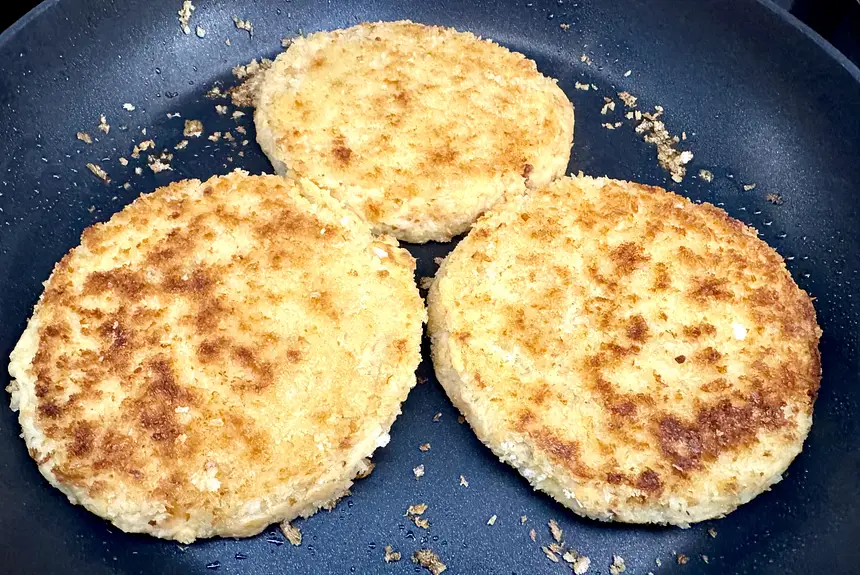
- Heat ¼ inch of vegetable oil in a large skillet over medium heat until shimmering (about 350°F/175°C). Test the oil by dropping a small breadcrumb in; it should sizzle immediately.
- Fry the cakes in batches (avoid overcrowding) for 3–4 minutes per side, or until golden brown and crispy. Use a spatula to carefully flip them.
- Drain and Serve:
- Transfer the fried cakes to a plate lined with paper towels to drain excess oil.
- Serve hot with baked beans, a side salad, or your favorite dipping sauce (e.g., tartar sauce or lemon aioli).

Comments


Turned out well - a solid thrifty recipe that everyone liked. I used Asiago cheese as that’s what I had on hand. Served with Creole Tartare sauce I found on this very web site. Crispy on the ouside and very soft on the inside from the mashed potato. I used panko bread crumbs. The mixture is quite soft so referigeration to firm things up was quite helpful. Worth the effort - used up cans of salmon and potatoes that I had which was great.