What Is Instant minced garlic and How Can I Use It?
Wondering what to do with instant minced garlic? This guide covers how to pick it, cook it, store it, and swap it, plus 7 recipes to put it to work.
Key Points
- Fresh garlic chopped and dried into granules; coarser than garlic powder, with a mellow, toasted flavor.
- It must rehydrate, so add it to liquid and give it 5 to 15 minutes, never a dry hot pan.
- Concentrated: about ½ teaspoon equals one fresh clove, and garlic powder is stronger still.
- Burns faster than fresh garlic, so keep it out of the hot-oil stage of cooking.
- Ideal for dry seasoning mixes, sauces, and stews; wrong for raw, garlic-forward dishes.
What is instant minced garlic?
Instant minced garlic is fresh garlic that has been chopped and dried into hard, sandy little granules.
It is the same idea as garlic powder, just left in coarser pieces instead of being ground to a fine dust, so you get visible bits of garlic and a slightly chunkier texture in the finished dish.
Drop the granules into anything wet and they soften back up, releasing a mellow, toasted garlic flavor. It is rounder and less sharp than raw garlic, closer to roasted than to a freshly crushed clove.
The appeal is pure convenience. No peeling and no sticky fingers, and it keeps in the pantry for months.
How to Use It
The key word is rehydrate. These dried bits need moisture and a little time to come back to life, so they work best anywhere there is liquid and a few minutes of cooking.
Stir them into a simmering sauce or salad dressing and they plump up and bloom.
Allow roughly 5 to 15 minutes of contact with the liquid. In a quick recipe, soak the granules in a spoonful of water or oil first, then add them, so they are not still crunchy at the end.
It is a natural fit for dry mixes that get whisked into something wet later. A Caesar Salad Dressing Mix and an Italian Meat Sauce Mix both rely on it so the garlic flavor keeps until you add liquid, and Yet Another Chili Seasoning Mix uses it the same way.
It also works rubbed onto meat with a little oil, as in Our Secret Sirloin Steak, and stirred into the broth of a Chicken Stock - Pressure Cooker batch where the long simmer softens it completely.
Equivalence and Common Mistakes
Dried garlic is concentrated, so you need far less than you think. A rough rule is ½ teaspoon of instant minced garlic for one fresh clove.
If a recipe calls for instant minced and you only have powder, use roughly a quarter as much, since the fine grind packs far more garlic per spoon.
The biggest mistake is adding it dry to something with no moisture. Tossed into a dry rub that hits a hot pan, the granules cannot rehydrate and instead scorch, turning bitter and acrid in seconds.
The same goes for sauteing it the way you would fresh garlic. It is far more prone to burning than a fresh clove because there is no water in it to buffer the heat, so add it to the liquid stage, not the hot-oil stage.
The last mistake is expecting it to taste like fresh garlic. It will not. It brings a cooked, savory background note rather than the bright pungency of a raw clove, which is great for stews and mixes but wrong for a fresh salsa or a garlic-forward aioli.
Substitutes
The most direct swap is fresh garlic, using about one clove for every ½ teaspoon of instant minced. Mince it fine and add it where you would the granules, expecting a brighter, sharper result.
Garlic powder is the next best thing and behaves almost identically; use only about a quarter of the amount because it is far more concentrated. Garlic salt also works in a pinch, but it is mostly salt, so cut back on the other salt in the dish.
For a flavor closer to the mellow, dried character, a little garlic paste or roasted garlic mashed into the liquid gets you there, though both add moisture and a softer texture. Granulated garlic, which is just a coarser grind of garlic powder, is essentially interchangeable.
Buying and Storing It
You will find instant minced garlic in the spice aisle, often labeled minced garlic or dried minced garlic, near the dried minced onion. Check the label for pure garlic with no added salt or anti-caking filler if you want full control.
Store it like any dried spice, in an airtight jar away from heat, light, and moisture. Kept dry it holds good flavor for about a year, though it stays safe well beyond that; it simply fades.
Humidity is the enemy. If the granules clump into a hard cake, they have absorbed moisture, which dulls them and invites spoilage, so keep the lid tight and never shake it over a steaming pot, since the rising steam dampens the jar.
Give it a sniff before using an old jar. Fresh dried garlic smells sharp and unmistakable; a faint or musty jar has lost its punch and is worth replacing.
Quick facts
- In Chinese
- 即时蒜末
- British (UK) term
- Instant minced garlic
- en français
- ail haché instantanée
- en español
- ajo picado instantánea
Recipes using instant minced garlic
There are 7 recipes that contain this ingredient.
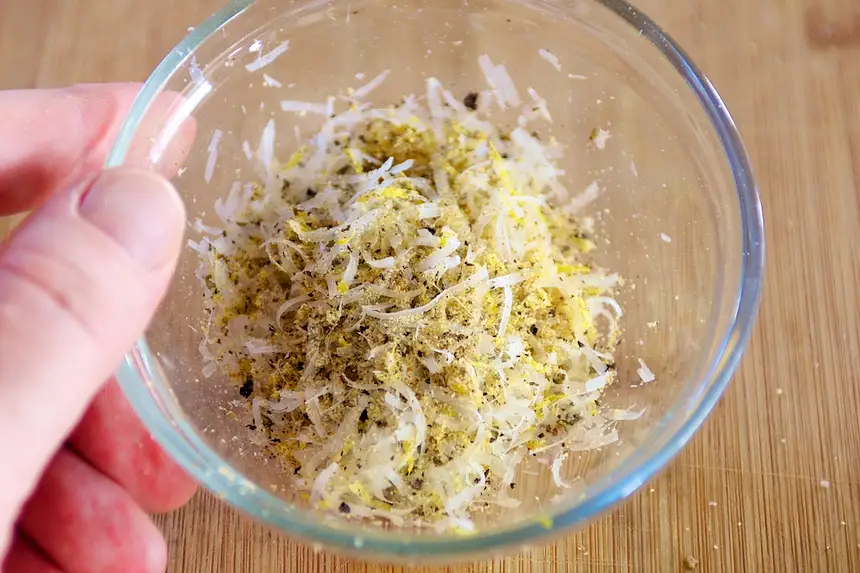
Caesar Salad Dressing Mix


Use this when you find a recipe that calls for dried Caesar Salad Dressing mix.

Chicken Stock - Pressure Cooker
Pressure cooker chicken stock simmers browned chicken carcasses with carrots, celery, onion, and a bundle of herbs into a deep, golden broth in 45 minutes. Browning and deglazing build all-day flavor, fast.

Italian Meat Sauce Mix

Italian meat sauce mix is a bulk-batch freezer sauce: hot Italian sausage and ground beef slow-simmered for 8 hours with tomato puree, basil, and hidden broccoli and cauliflower florets. Makes 8 pints to stash.

Caesar Salad Mix
Homemade Caesar salad dressing mix with lemon zest, oregano, garlic, and Parmesan. Shelf-stable dry blend ready to shake into dressing whenever you need it.
Yet Another Chili Seasoning Mix
No need to use store bought seasoning mix. Control the salt level and use your own.
Our Secret Sirloin Steak
Sirloin steak marinated in Worcestershire sauce, lemon juice, garlic, and onion, then grilled and finished with butter and parsley. The classic 2-hour marinade for steakhouse-style flavor at home.