What Are Red currants and How Can I Use Them?
Here's everything worth knowing about red currants and how to pick them, what they are, how to store them, and what to use instead, plus 10 recipes to cook tonight.
Key Points
- Red currants are tiny, tart, jewel-red berries that grow in delicate hanging clusters.
- Their high pectin and acidity make them ideal for jelly that sets with little added pectin.
- Red currant jelly is a classic sweet-tart sauce for lamb, venison, and game.
- Genuinely sour, so sweeten raw berries with sugar or cream to balance them.
- Fragile: refrigerate just three to four days, or freeze on the stem for months.
What are red currants?
Red currants are tiny, jewel-bright berries that grow in delicate hanging clusters, like miniature bunches of translucent grapes. Each berry is no bigger than a pea, with a glassy red skin and a bright, tart, lightly sweet flavor.
They are sharper than most berries, more sour than sweet, which is why you rarely see them eaten plain by the handful.
Look closely and you can see the tiny seeds suspended inside the see-through fruit.
Their season is short. Peaking in midsummer, they are more a farmers-market and home-garden berry than a year-round supermarket find.
How to Use Red Currants
Their tartness and high pectin make red currants a natural for preserves. They set jelly and jam beautifully with little or no added pectin, as in Red Currant Jelly, and the strained jelly earns a permanent spot in the fridge door.
That jelly does double duty in savory cooking. A spoonful melted into pan juices makes a quick sweet-tart sauce for game and red meat, the classic move behind Venison & Redcurrant Casserole and a glaze for Salmon Stuffed with Arugula.
In desserts they work raw and cooked alike. Scatter the fresh clusters over tarts and pavlovas as a tart counterpoint to sweet cream, the way Black Currant & Red Currant Tarts and Old-Fashioned Currant Tart do, or cook them into the Scandinavian fruit pudding rodgrod.
A whole cluster left on the stem also makes a striking garnish, the frosted strands draped over a cake or a cheese plate.
Pairing and Common Mistakes
Red currants love cream and vanilla and the other summer berries, and their sharpness is a gift alongside rich, fatty foods. That is why the jelly is a traditional partner for lamb, venison, and game birds.
The mistake to avoid is under-sweetening. These berries are genuinely tart, so a raw scattering needs sugar or a sweet cream to balance it, and a jelly made without enough sugar will taste harsh.
To strip the berries quickly, run a fork down each cluster so the currants pop off the stem. There is no need to remove the tiny seeds for jelly, since you strain them out, but they do stay in a jam unless you press it through a sieve.
Substitutes
No red currants? For a tart accent in a dessert, fresh cranberries or sour cherries echo the bright acidity, though both are larger and need a touch more sweetening. Slightly underripe raspberries also stand in for color and tartness.
For red currant jelly in a savory sauce, a tart cranberry sauce or a lingonberry preserve gives the same sweet-sour lift against meat. Pomegranate molasses, used sparingly, brings a similar fruity sharpness when you have no jelly at all.
Buying and Storing Red Currants
Look for plump, glossy berries still attached to their stems, with a deep, even red and no shriveled or leaking fruit. The stems should look fresh rather than dried and brown. Avoid baskets with juice pooling at the bottom, a sign the fruit is crushed.
Red currants are fragile and do not keep long. Store them unwashed in the refrigerator, loosely covered. Use them within three to four days. Wash them gently just before using, since wet berries spoil faster.
They freeze well, which is the best way to handle a glut. Freeze them on the stem in a single layer, then strip and bag them once solid, and they keep for several months for jelly and baking.
Quick facts
- In Chinese
- 红醋栗
- British (UK) term
- Red currants
- en français
- groseilles rouges
- en español
- grosellas rojas
Recipes using red currants
There are 10 recipes that contain this ingredient.
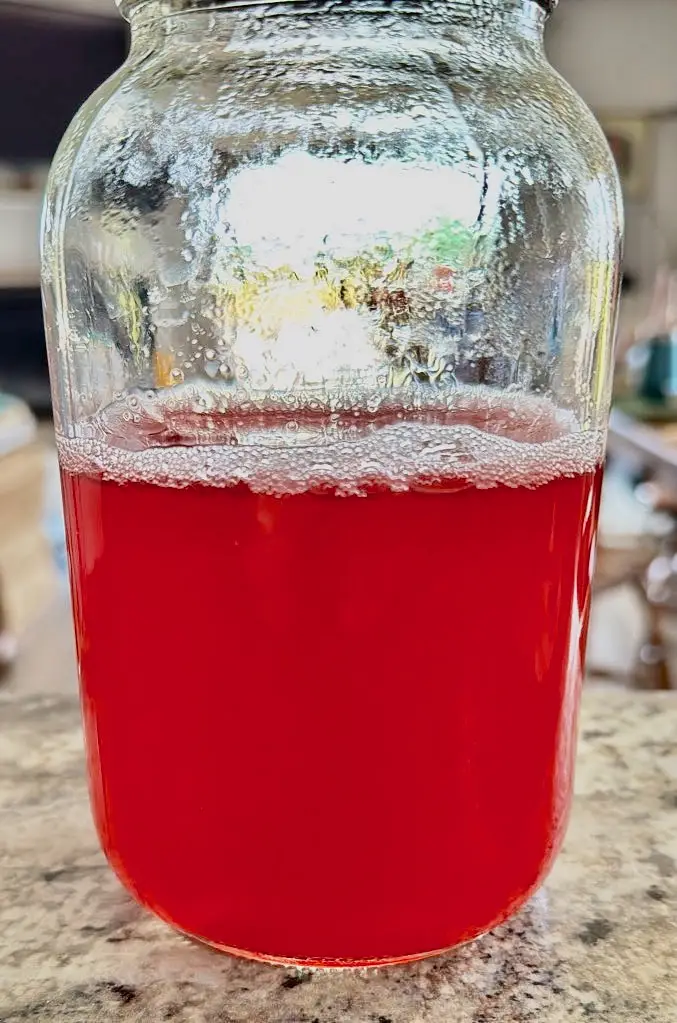
Red Currant Jelly

A vibrant, tangy red currant jelly perfect for spreading on toast, pairing with meats, or gifting. This clear, jewel-like preserve is made by simmering fresh red currants with lemon and cloves, then straining and sweetening the juice to create a smooth, set jelly.
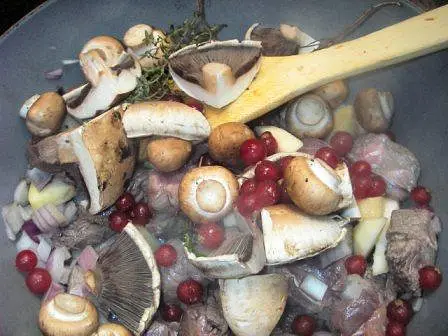
Venison & Redcurrant Casserole


This is a wonderful recipe for either a dinner party or Sunday lunch. Whether or not you use redcurrants in the actual sauce or purely as a decoration depends very much on the time of year and variety of redcurrants you can find. End of summer home-grown redcurrants add a wonderful sweet tartness to the sauce, however imported under-ripe fruits can impart a certain bitterness and are probably best left for garnish. If you do not use fresh berries add a little extra redcurrant jelly.
Basic Rum Pot Fruit Recipe
Traditional German Rumtopf: a layered preserve of summer fruits, sugar, and rum that builds up over the season and matures into a boozy Christmas dessert by winter.
Kip Filet with Apples & Red Currants
Dutch-style chicken fillets coated in a mustard-egg batter, pan-fried in butter, and served over sauteed leeks with fresh red currants and Granny Smith apple. Sweet, tart, and savory in every bite.

Salmon Stuffed with Arugula
Salmon stuffed with arugula, garlic, honey-glazed carrot, and red currants, basted with white wine and finished with a crisp schmaltz-fried skin. A peppery, sweet-tart centerpiece fish dish worth the extra prep.
Rodgrod Med Flode (Norwegian Fruit Jelly with Cream)
Rodgrod med flode is a Scandinavian fruit dessert made with red currants and raspberries thickened with cornstarch. Served chilled with cream and blanched almonds.
Redcurrant & Spiced Lime Schiacciata
Yeasted flatbread topped with a lime and almond frangipane and fresh redcurrants, dusted with icing sugar. A stunning Italian-inspired dessert bread.

Rice Pudding with Red Currant Sa
Baked rice pudding with red currant sauce features individual orange-scented custards topped with tart ruby-red currant puree. An elegant Scandinavian-inspired dessert.
Black Currant & Red Currant Tarts
Individual wholemeal shortcrust tarts bursting with black and red currants sweetened with honey. A proper British bake that's tart, fruity, and rustic, with optional whipped cream and glacé cherry garnish.
Old-Fashioned Currant Tart
Classic French currant tart with a vanilla butter pastry shell, silky pastry cream, fresh red currants, and a kirsch-currant jelly glaze edged with toasted almonds.